
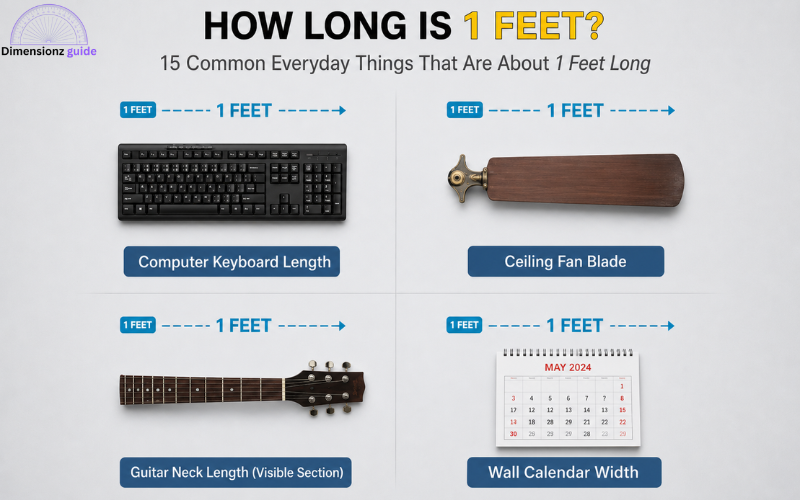
How long is 1 feet? One foot is equal to 12 inches, 30.48 centimeters, or 0.3048 meters. Although many people search for “how long is 1 feet,” this measurement refers to a length of exactly 12 inches. It is one of the most commonly used measurements for furniture, home improvement, school projects, and everyday objects.
Understanding how long 1 feet is can help you estimate sizes more accurately without always reaching for a ruler or measuring tape. From shopping online to arranging furniture or completing DIY projects, knowing this measurement makes everyday tasks much easier. In this guide, you’ll learn exactly how long 1 feet is through simple explanations and familiar real-life examples.
How long is 1 feet? = 30.48 cm
1 Feet in Different Units
To better understand this measurement, here is a quick conversion table.
| Unit | Value |
| Feet | 1 feet |
| Inches | 12 inches |
| Centimeters | 30.48 cm |
| Millimeters | 304.8 mm |
| Meters | 0.3048 m |
These conversions help you compare 1 feet with measurements commonly used around the world.
What Does 1 Feet Look Like?
If you don’t have a measuring tape nearby, you can still estimate 1 feet by comparing it with everyday household objects. Many common items are designed close to this length, making them useful visual references.
Since 1 feet is neither too short nor too long, it is one of the easiest measurements to recognize. After comparing it with a few familiar objects, you’ll quickly develop the ability to estimate this length without using any measuring tools.
Why Understanding 1 Feet Matters
Knowing how long 1 feet is can be useful in many everyday situations. Whether you’re buying furniture, choosing storage boxes, decorating your home, or measuring available space, understanding this measurement helps you make better decisions.
Many products list their dimensions in feet and inches. Having a clear understanding of 1 feet allows you to judge whether an item will fit your room, shelf, or workspace before making a purchase. It also improves accuracy when working on crafts, home repairs, or DIY projects.
Everyday Uses of 1 Feet
A measurement of 1 feet appears in countless places throughout daily life. It is commonly used for measuring shelves, picture frames, storage containers, electronic accessories, furniture, home décor, and office supplies.
Builders, interior designers, and homeowners frequently use this measurement because it provides an easy way to describe medium-sized objects and spaces. Even if you don’t measure things regularly, you’ve probably seen dozens of items that are about 1 feet long without realizing it.
How to Estimate 1 Feet Without a Measuring Tape
You don’t always need a ruler to estimate 1 feet. By comparing objects with familiar household items, you can make a surprisingly accurate estimate.
The more often you compare everyday objects with this measurement, the easier it becomes to recognize it naturally. Over time, your eyes become trained to judge distances close to 1 feet, helping you estimate sizes quickly and confidently.
Related Post: 9 Common Everyday Things That Are About 50 Inches Long
10 Real-Life Examples of 1 Feet (Simple & Daily Use)
Understanding 1 feet becomes much easier when you compare it with familiar objects you use every day. Instead of memorizing numbers, these real-life examples provide practical references that help you visualize the length naturally. Each object below is easy to recognize and makes estimating 1 feet much simpler.
1. Standard School Ruler
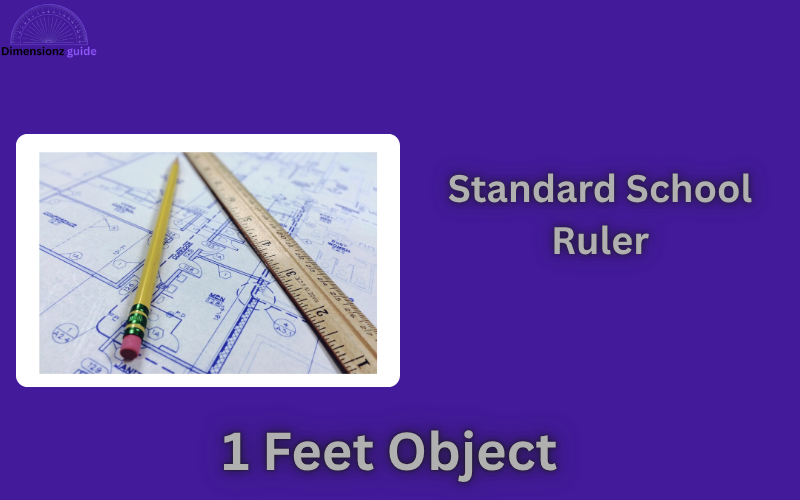
A standard school ruler is exactly 12 inches (1 feet) long, making it one of the best examples for understanding this measurement. Students, teachers, and office workers use rulers every day for drawing lines and measuring objects. Because its length is fixed, it provides one of the most accurate real-life references. If you have a ruler nearby, you already have a perfect example of how long 1 feet is.
2. Large Subway Sandwich
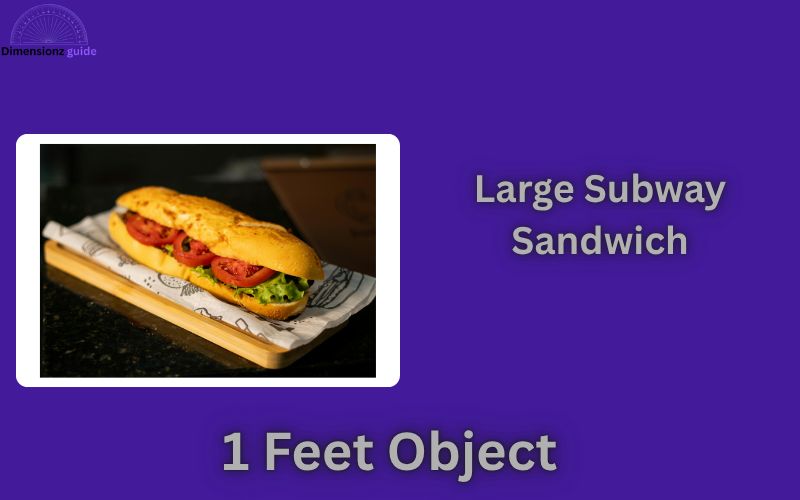
Many restaurants sell large submarine sandwiches that measure about 1 feet in length. These sandwiches are popular because they are easy to share or enjoy as a full meal. Since many people have seen or eaten one, it becomes a simple way to imagine this measurement. It is one of the easiest food-based comparisons for visualizing 1 feet.
3. Laptop Sleeve Length
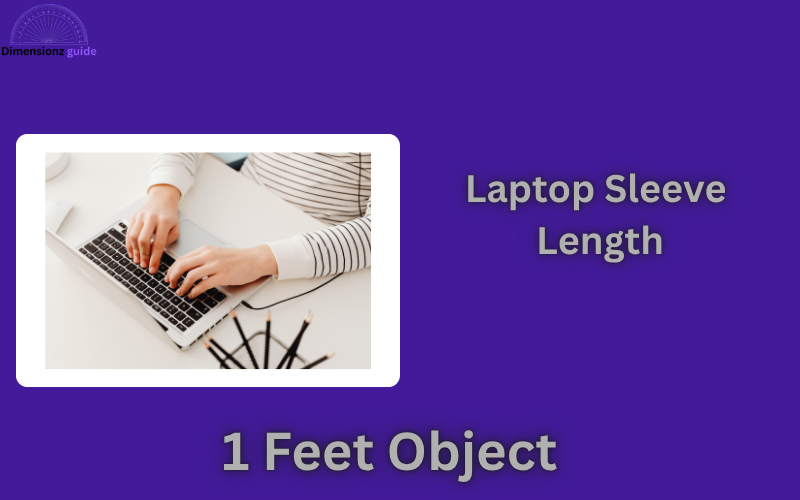
A laptop sleeve designed for smaller laptops is often close to 1 feet long. These sleeves protect laptops from scratches while traveling or commuting. Their rectangular shape makes them easy to compare with other household objects. If you own a laptop sleeve, it can help you estimate 1 feet without using a measuring tape.
4. Wall Calendar Width
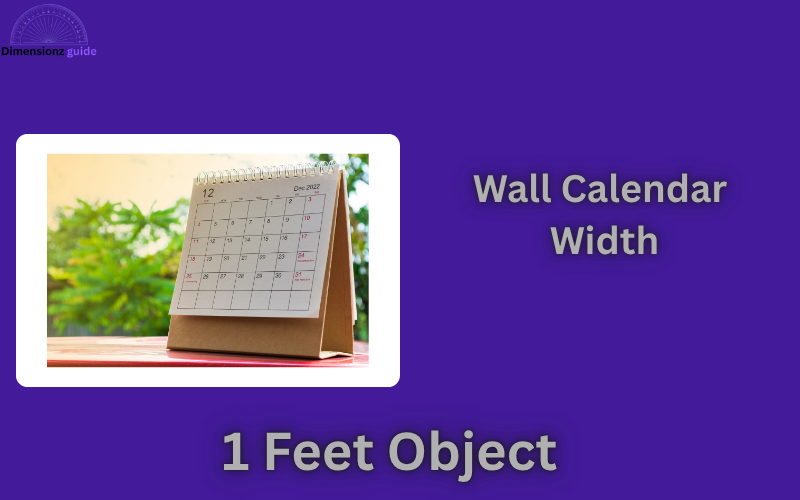
Many wall calendars measure around 1 feet across. They are commonly used in homes, offices, and classrooms to keep track of important dates and schedules. Because they hang in visible places, they provide a familiar size reference. Looking at a wall calendar makes it easier to picture how long 1 feet really is.
5. Computer Keyboard Length
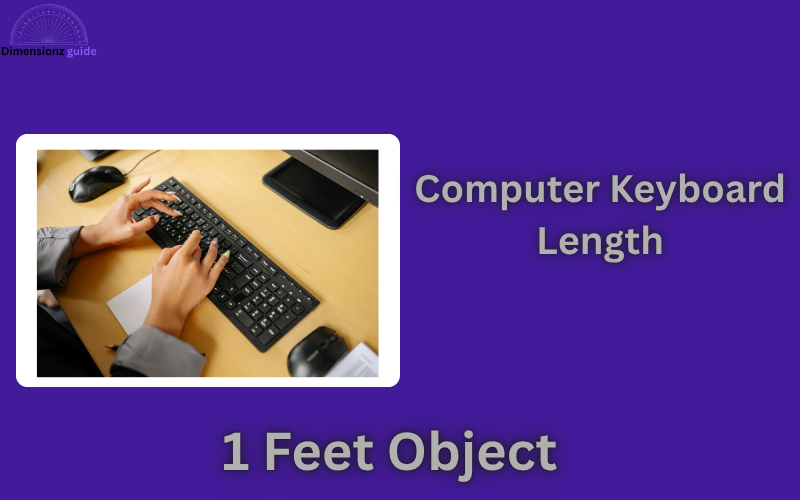
A compact computer keyboard is often close to 1 feet in length. Keyboards are used daily for work, study, and entertainment, making them an excellent everyday reference. Their straight design makes size comparisons simple. This familiar object helps users quickly understand the length of 1 feet.
6. Large Storage Basket Width
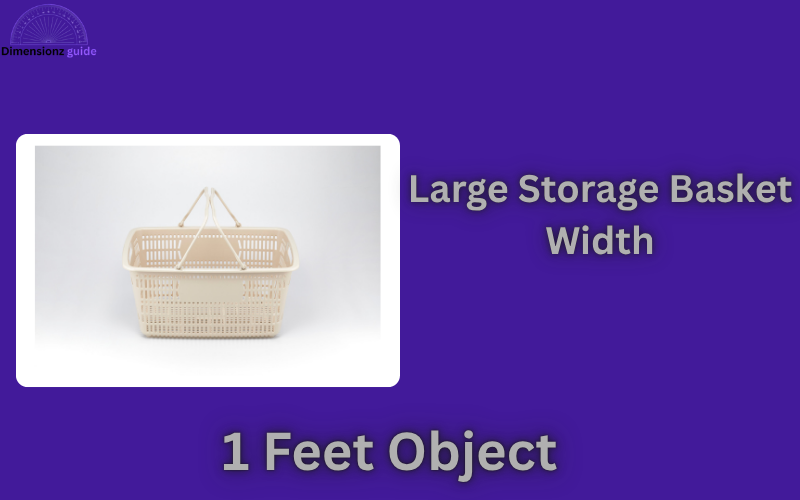
A medium-sized storage basket can measure around 1 feet across. These baskets are commonly used to organize clothes, toys, books, and household supplies. Because they appear in many homes, they provide an easy visual comparison. Their size makes estimating 1 feet much more practical.
7. Ceiling Fan Blade
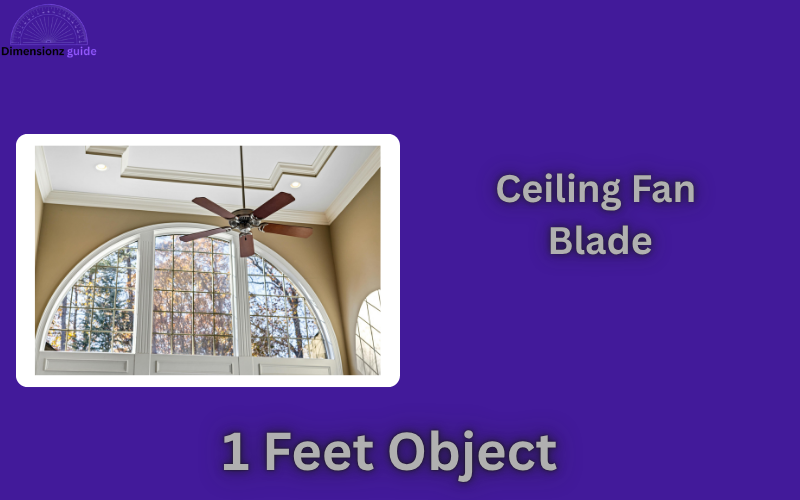
The blade of a small ceiling fan is often close to 1 feet long. Ceiling fans are found in bedrooms, living rooms, and offices, making them familiar to almost everyone. Although you may not measure them regularly, their length offers a useful visual reference. This makes them a great example for understanding 1 feet.
8. Medium Flower Pot Height
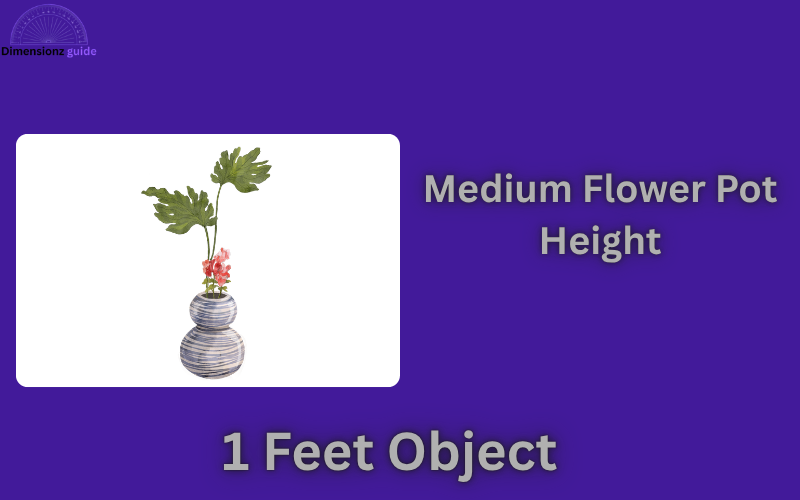
A medium-sized decorative flower pot can stand about 1 feet tall. These pots are used indoors and outdoors to grow flowers, herbs, and decorative plants. Their height is easy to notice and compare with nearby objects. This makes them another practical everyday example.
9. Backpack Width
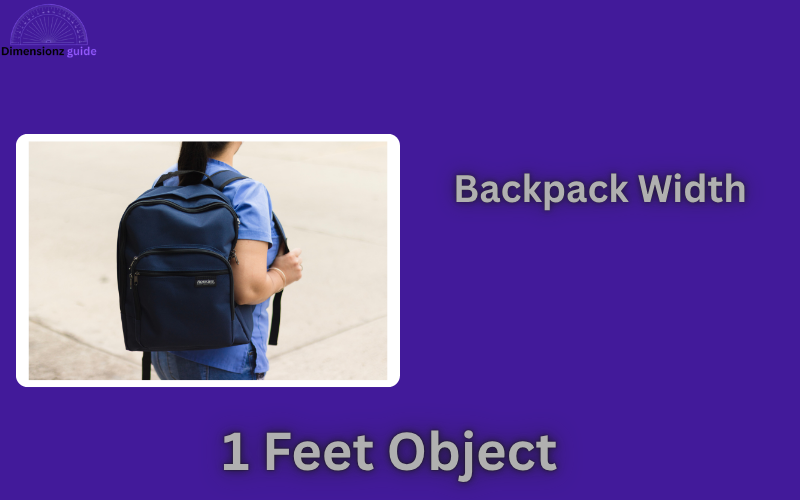
Many school and travel backpacks measure close to 1 feet in width. Backpacks are used daily by students, office workers, and travelers to carry books, laptops, and personal belongings. Their size is familiar to most people, making them an excellent reference. This comparison helps visualize the measurement naturally.
10. Guitar Neck Length (Visible Section)
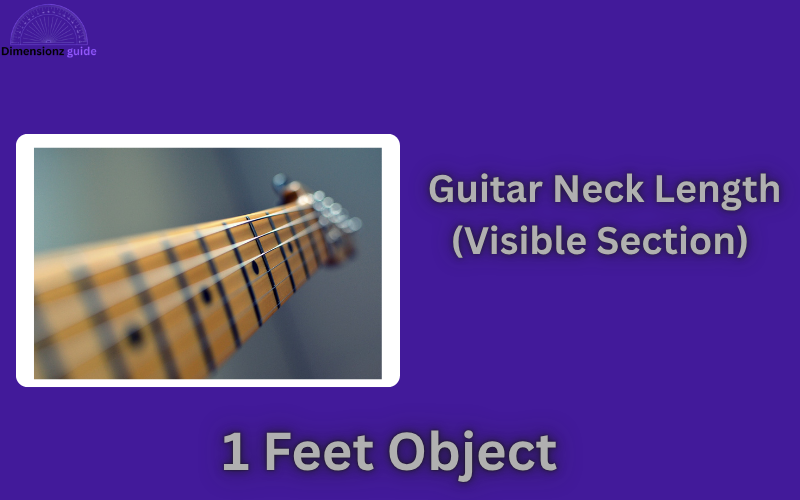
The visible neck section of many acoustic guitars is around 1 feet long. Guitars are common musical instruments found in homes, schools, and studios. Their long, straight shape makes them useful for estimating length. This provides a unique yet familiar comparison.
How Long Is 1 Feet in Daily Life
A measurement of 1 feet appears in many parts of everyday life. It is commonly used when measuring furniture, storage boxes, shelves, home decorations, and electronic accessories. Many household products are designed around this size because it is practical and easy to work with.
You may also notice 1 feet when buying office supplies, organizing a room, or shopping online. Product dimensions are often listed in feet and inches, so understanding this measurement helps you quickly judge whether something will fit your available space.
Since 1 feet is a standard unit of length, it is also widely used in construction, interior design, woodworking, and DIY projects. Having a clear understanding of this measurement allows you to estimate distances more confidently without needing a measuring tape every time.
How to Visualize 1 Feet Without a Ruler
If you don’t have a ruler or measuring tape nearby, you can still estimate 1 feet by comparing it with familiar household objects. The real-life examples in this guide provide practical references that make visualization much easier.
After comparing several objects that are close to 12 inches long, your eyes naturally become better at recognizing this measurement. Over time, you can estimate 1 feet with surprising accuracy simply by looking at an object.
This skill is especially helpful when shopping online, rearranging furniture, planning home improvement projects, or measuring available space quickly.
Common Mistakes When Estimating 1 Feet
One common mistake is assuming that 1 feet is much longer than it actually is. Many people overestimate this measurement because they compare it with larger household items.
Another mistake is confusing feet with inches or centimeters. Since one foot equals exactly 12 inches or 30.48 centimeters, remembering these conversions makes it much easier to estimate lengths correctly.
Using familiar everyday objects as reference points is one of the simplest ways to avoid these mistakes and improve your measurement skills.
1 Feet Compared to Other Measurements
Comparing 1 feet with other common measurements makes it easier to understand its actual size.
- 6 inches – Half of 1 feet
- 8 inches – Smaller than 1 feet
- 10 inches – Slightly shorter than 1 feet
- 12 inches – Exactly 1 feet
- 2 feet – Twice the length of 1 feet
These comparisons help you recognize the difference between similar measurements and improve your ability to estimate sizes accurately.
Where Is 1 Feet Commonly Used?
The measurement of 1 feet is used in many industries and everyday situations. Builders use it while measuring walls, doors, and flooring. Furniture manufacturers use it when describing shelves, tables, and storage units. Retailers also use feet when listing product dimensions online.
Students may use this measurement during school projects, while homeowners often use it for decorating rooms, hanging artwork, or planning storage solutions. Because it is such a common measurement, understanding 1 feet is useful for people of all ages.
Benefits of Learning Everyday Measurements
Learning everyday measurements like 1 feet makes daily tasks much easier. You can estimate object sizes more confidently, understand product descriptions more accurately, and reduce mistakes when shopping or measuring spaces.
It also improves your practical knowledge and helps you make faster decisions without always relying on measuring tools. The more you practice comparing everyday objects, the easier it becomes to recognize common measurements naturally.
If you find this helpful and want more free guides like this then here we have more for you:
- 13 Common Everyday Things That Are About 46 Inches Long
- 9 Common Everyday Things That Are About 47 Inches Long
- 10 Common Everyday Things That Are About 48 Inches Long
- 11 Common Everyday Things That Are About 49 Inches Long
- 9 Common Everyday Things That Are About 50 Inches Long
FAQs
How long is 1 feet in inches?
1 feet is equal to 12 inches.
How long is 1 feet in centimeters?
1 feet equals 30.48 centimeters.
Is 1 feet a common measurement?
Yes. It is one of the most commonly used measurements for furniture, home improvement, construction, and everyday household items.
How can I estimate 1 feet without a ruler?
You can compare it with common objects like a standard ruler, a compact keyboard, a medium pizza box, or other familiar items that are about 12 inches long.
Why is it useful to know how long 1 feet is?
Understanding this measurement helps when shopping online, arranging furniture, completing DIY projects, measuring spaces, and estimating object sizes without using measuring tools.
Related Post: 11 Common Everyday Things That Are About 49 Inches Long
Conclusion
So, how long is 1 feet? It is exactly 12 inches, 30.48 centimeters, or 0.3048 meters. Although it may seem like a simple measurement, it appears in countless everyday objects and plays an important role in home improvement, shopping, education, and many daily activities.
By comparing 1 feet with familiar household items, you can quickly develop a natural understanding of its size. The more often you use these real-life comparisons, the easier it becomes to estimate measurements accurately without needing a ruler or measuring tape.