
Introduction
The culinary world is experiencing a remarkable transformation as chefs rethink the value of ingredients traditionally considered waste. From vegetable peels to fruit skins and leftover bread, materials once destined for the trash are becoming essential components of sophisticated dishes. This innovative approach, known as zero-waste culinary art, combines sustainability, creativity, and exceptional flavor.
As restaurants and home cooks become increasingly conscious of environmental challenges, zero-waste cooking is gaining attention as both a responsible practice and an exciting culinary movement. By treating every usable part of an ingredient as an opportunity, chefs are redefining fine dining while reducing unnecessary food waste.
Understanding the Philosophy of Zero-Waste Cooking
Zero-waste culinary art focuses on maximizing the use of edible ingredients while minimizing discarded materials. Rather than relying exclusively on premium cuts of meat or perfectly shaped vegetables, chefs explore overlooked parts of foods to discover unexpected flavors and textures.
The philosophy encourages thoughtful ingredient selection, efficient preparation, creative preservation, and responsible kitchen management.
For example, carrot tops can become vibrant pesto, broccoli stems can be transformed into creamy soups, and citrus peels can add aromatic complexity to desserts. These simple transformations demonstrate how culinary creativity can uncover value in ingredients often ignored.
Transforming Vegetable Scraps into Gourmet Ingredients
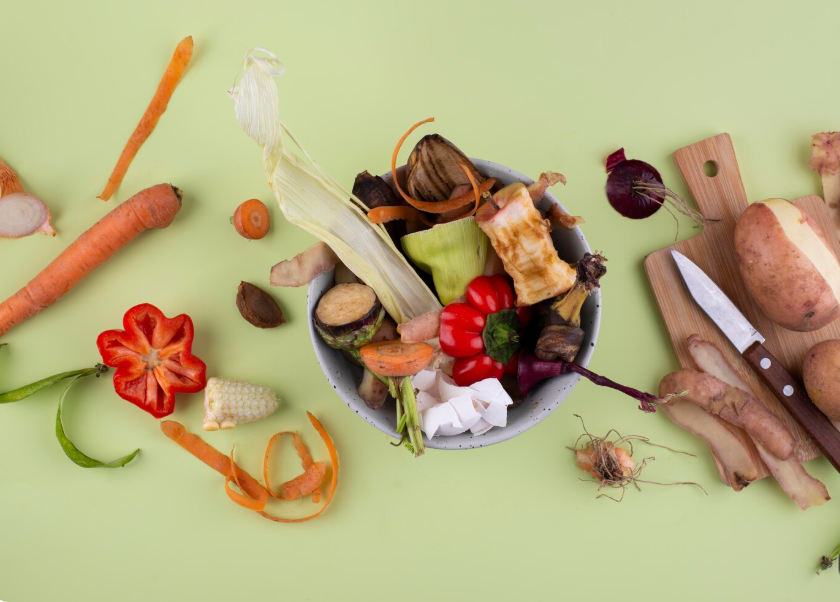
Vegetable scraps offer some of the most versatile opportunities for zero-waste cooking. Professional chefs increasingly use these ingredients to create elegant dishes that balance flavor, nutrition, and presentation.
Vegetable Peels as Crispy Garnishes
Potato, carrot, and parsnip peels can be washed, seasoned, and roasted until crisp. These delicate garnishes introduce texture and visual appeal to soups, salads, and plated entrées.
Stems and Leaves as Flavorful Components
Broccoli stems, cauliflower leaves, and beet greens are often discarded despite their culinary potential. When prepared correctly, they can become flavorful purées, sautéed accompaniments, or colorful vegetable dishes.
Scraps for Stocks and Sauces
Clean, edible vegetable trimmings can be simmered into aromatic stocks that form the foundation of soups, risottos, and sauces. Chefs can combine suitable scraps with herbs and spices to create distinctive flavor profiles.
However, ingredients showing signs of spoilage should never be used, and not every plant part is edible.
Giving Fruit Scraps a Second Life
Fruit skins, cores, and other usable remnants can become valuable ingredients in both sweet and savory preparations.
Citrus peels are particularly popular because their natural oils provide concentrated fragrance. They can be candied, infused into syrups, or finely grated into desserts and sauces.
Apple peels may be dehydrated into crispy decorations, while pineapple cores can contribute flavor to cooked syrups or beverages.
Some chefs also explore fermentation to create complex flavors from suitable fruit remnants. Properly controlled fermentation can produce distinctive ingredients that enhance contemporary dining experiences.
These applications demonstrate how overlooked materials can become signature elements of refined cuisine.
Reinventing Bread and Grain Leftovers
Bread is among the most commonly wasted foods, making it a valuable starting point for sustainable culinary experimentation.
Day-old bread can be transformed into seasoned breadcrumbs, delicate croutons, savory puddings, or traditional desserts.
In fine-dining kitchens, chefs may turn stale bread into crispy crumbs that provide contrast to creamy dishes. Others incorporate bread into thickened sauces, giving familiar ingredients a completely different purpose.
Cooked grains can also be repurposed into fritters, grain salads, or other creative preparations, provided they have been cooled, refrigerated, and stored safely.
By reimagining these everyday leftovers, restaurants can reduce waste without compromising quality.
Fermentation and Preservation as Culinary Tools
Preservation techniques play an important role in zero-waste culinary innovation. Pickling, drying, freezing, and carefully managed fermentation can extend the usefulness of ingredients while introducing new flavors.
Vegetable stems can be pickled to create tangy accompaniments, while herbs may be dried for seasoning blends.
Fermentation can also add depth to sauces and condiments, although it requires appropriate sanitation, food-safe methods, and careful control of conditions.
For professional kitchens, preservation represents more than a waste-reduction strategy. It provides an opportunity to develop unique ingredients that distinguish their menus.
How Zero-Waste Cooking Is Changing Fine Dining
Fine dining has traditionally emphasized premium ingredients, elaborate techniques, and artistic presentation. Zero-waste culinary art introduces another dimension: making the most of available resources.
Creative chefs now design dishes around ingredients that conventional kitchens might overlook. A vegetable stem can become the centerpiece of a tasting course, while transformed fruit peels can contribute sophisticated sweetness and aroma.
This approach also encourages seasonal menu planning and closer relationships with local producers.
When implemented thoughtfully, zero-waste practices may lower ingredient costs, improve kitchen efficiency, and strengthen a restaurant’s environmental commitments.
Importantly, reducing waste does not mean sacrificing luxury. Instead, it challenges chefs to demonstrate skill through thoughtful preparation and imaginative presentation.
Practical Ways to Adopt Zero-Waste Cooking at Home
Home cooks can embrace the same principles without specialized restaurant equipment.
Planning meals around available ingredients helps prevent unnecessary purchases. Proper storage extends freshness, while organizing refrigerators makes it easier to identify food that should be used soon.
Creative substitutions also make a difference. Herb stems can flavor sauces, stale bread can become breadcrumbs, and edible vegetable trimmings can enrich homemade stocks.
Maintaining food safety is essential. Scraps must be clean, suitable for consumption, and stored correctly. Composting unavoidable inedible waste offers another responsible option.
Small changes in daily cooking habits can collectively reduce household food waste.
The Future of Sustainable Culinary Creativity
As environmental awareness grows, zero-waste culinary art is likely to remain an important influence on modern gastronomy. Culinary schools, restaurants, and food innovators are exploring ways to combine resource efficiency with exceptional dining experiences.
Technology, improved preservation methods, and creative menu development may open additional possibilities for ingredients previously considered unusable.
The movement also encourages diners to reconsider their expectations of luxury food. Exceptional cuisine does not always require rare or expensive ingredients; sometimes, it begins with recognizing extraordinary potential in ordinary materials.
Conclusion
Zero-waste culinary art demonstrates that sustainability and sophisticated cooking can work together beautifully. By transforming edible kitchen scraps into refined dishes, chefs reduce unnecessary waste while discovering innovative flavors, textures, and presentations.
From crispy vegetable peels to fermented condiments and reinvented bread, the possibilities are extensive. Ultimately, this culinary philosophy celebrates resourcefulness, environmental responsibility, and the creativity required to turn overlooked ingredients into memorable dining experiences.
Read More : The Chemistry of Searing: Unlocking the Maillard Reaction at Home
Do you like this personality?

1 comment