
Introduction
Imagine a future where everyday materials are grown rather than manufactured through traditional industrial processes. Instead of relying entirely on petroleum, mining, or resource-intensive production, scientists can program living cells to create useful substances. This emerging approach is becoming possible through synthetic biology infrastructure, a combination of biological engineering, automated laboratories, computational tools, and advanced manufacturing systems.
Synthetic biology is transforming the relationship between biology and industry. By treating cells as programmable production platforms, researchers are exploring new ways to manufacture textiles, chemicals, packaging, construction materials, and other products with potentially lower environmental impacts.
Understanding Synthetic Biology Infrastructure
Synthetic biology infrastructure refers to the technologies, facilities, and systems required to design, modify, grow, and manage biological organisms for specific purposes.
At its foundation is the ability to modify genetic instructions inside microorganisms such as bacteria, yeast, and fungi. These organisms naturally produce proteins, enzymes, and other compounds. Scientists can redesign their metabolic pathways to manufacture materials that would otherwise require conventional chemical processes.
Modern infrastructure typically includes automated laboratory equipment, DNA design technologies, fermentation systems, biological databases, and computational modeling platforms. Together, these tools help researchers develop biological production systems that can operate consistently and efficiently.
How Living Cells Become Programmable Factories
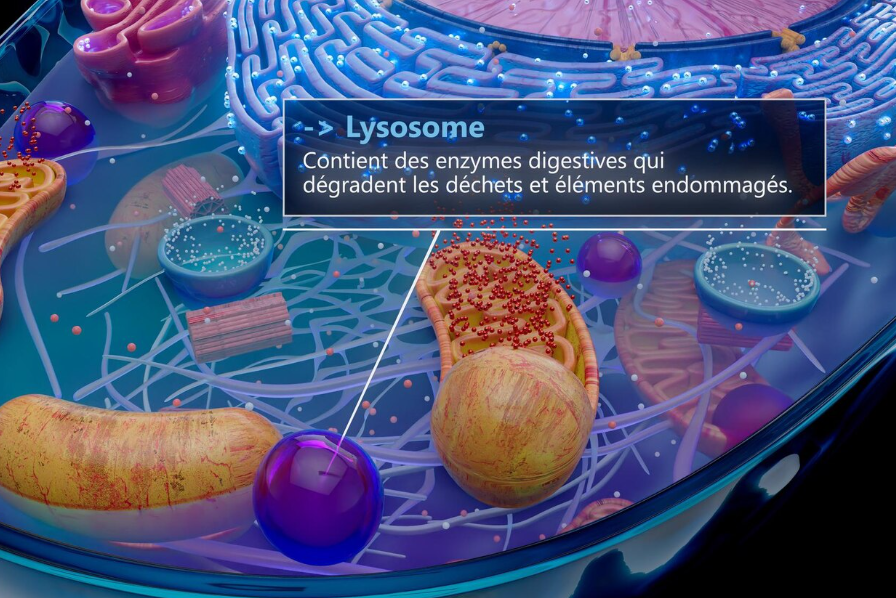
Living cells contain genetic instructions that determine how they function. Synthetic biology allows researchers to modify these instructions so cells perform desired tasks.
The process generally begins with identifying a material or compound that scientists want to produce. Researchers then design genetic pathways capable of directing cells toward that output.
For example, engineered yeast may produce proteins used in alternative leather materials, while certain bacteria can synthesize biodegradable polymers.
Once an organism demonstrates the desired behavior, scientists optimize its performance by adjusting nutrients, environmental conditions, and biological pathways.
The ultimate goal is to create reliable biological factories capable of producing valuable materials at commercial scale.
Major Applications in Material Production
1. Sustainable Textiles and Fabrics
Traditional textile manufacturing can require substantial water, energy, and chemical inputs. Synthetic biology offers alternative approaches through the production of engineered proteins and microbial materials.
Researchers are investigating proteins inspired by spider silk, microbial cellulose, and other biological substances for applications in clothing, footwear, and technical fabrics.
These materials may provide desirable properties such as flexibility, strength, or biodegradability, depending on their composition and processing.
2. Biodegradable Packaging
Plastic waste remains a significant environmental concern. Certain microorganisms naturally produce polyhydroxyalkanoates, commonly known as PHAs, which are biodegradable polymers.
Through biological engineering and fermentation optimization, scientists are working to improve PHA production efficiency and develop packaging materials with useful performance characteristics.
However, environmental benefits depend on production methods, disposal conditions, and the entire product life cycle.
3. Advanced Construction Materials
Synthetic biology is also creating opportunities in construction.
Researchers are exploring microorganisms that promote mineral formation, including calcium carbonate precipitation. These biological processes may support applications such as self-healing concrete and specialized building materials.
Other experimental approaches involve fungal mycelium, which can be grown into lightweight structures suitable for insulation, packaging, and selected interior applications.
4. Specialty Chemicals and Industrial Compounds
Many industrial chemicals are traditionally produced through petroleum-based manufacturing. Engineered microorganisms can provide alternative production routes for selected compounds.
Biological manufacturing is being investigated for pigments, adhesives, specialty polymers, and chemical ingredients used across multiple industries.
As processes improve, biological production may reduce dependence on certain fossil-derived feedstocks.
The Role of Artificial Intelligence and Automation
Artificial intelligence is becoming an important component of synthetic biology infrastructure.
Machine learning systems can analyze biological datasets, predict protein structures, and help researchers identify promising genetic designs.
Automated laboratories further accelerate experimentation by managing repetitive processes and collecting standardized measurements.
When combined, AI and automation support iterative design, testing, and optimization. This approach can reduce manual work and help researchers evaluate more possibilities, although experimental validation remains essential.
Challenges in Scaling Biological Manufacturing
Despite its potential, synthetic biology faces several practical challenges.
Biological systems can behave unpredictably when transferred from small laboratory experiments to industrial fermentation facilities. Maintaining stable production conditions and controlling contamination require sophisticated engineering.
Production costs are another major concern. Nutrient supplies, equipment, energy consumption, purification, and waste management all influence commercial viability.
Regulatory requirements, biosafety measures, and public acceptance also play important roles in determining how biological manufacturing technologies enter the market.
Successful infrastructure must therefore combine biological innovation with reliable engineering, economic feasibility, and responsible oversight.
The Future of Programmable Material Manufacturing
The future of synthetic biology may involve distributed biological manufacturing facilities capable of producing materials closer to where they are needed.
Advances in genome engineering, continuous fermentation, digital monitoring, and computational design could make these systems increasingly adaptable.
Instead of building an entirely new manufacturing process for every product, companies may eventually use flexible biological platforms that can be reconfigured for different materials.
However, widespread adoption will depend on demonstrating consistent quality, competitive costs, safe operations, and measurable environmental advantages.
Conclusion
Synthetic biology infrastructure represents an important shift in how materials can be designed and produced. By programming living cells to manufacture useful compounds, researchers are opening possibilities beyond conventional industrial chemistry.
From biodegradable packaging and engineered textiles to construction materials and specialty chemicals, biological manufacturing offers new opportunities for innovation.
Although substantial technical and economic barriers remain, continued progress in automation, genetic engineering, and bioprocess technology could establish living cells as valuable components of future manufacturing systems.
Read More : Optical Computing: Speeding Up Processing Speeds Using Light Signals