
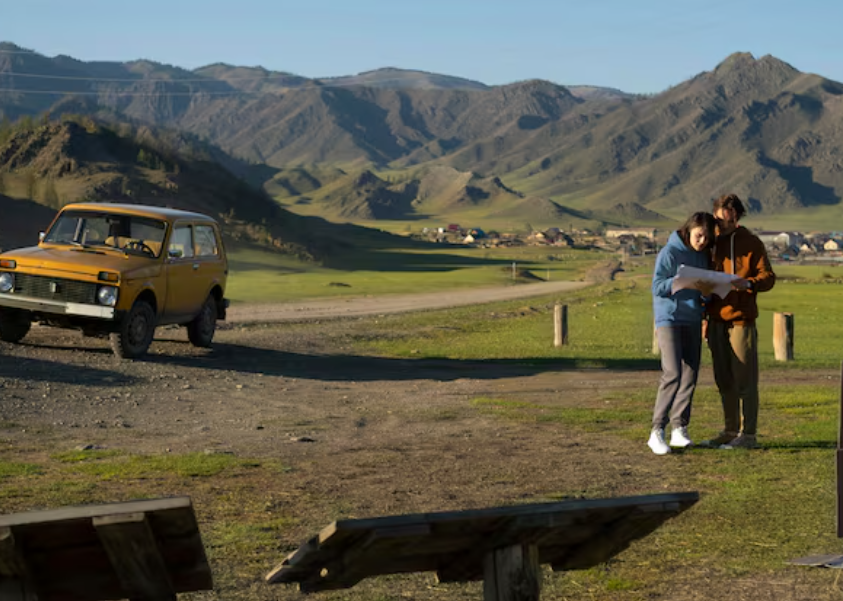
Introduction
In a world where travel often revolves around reaching destinations quickly, overland expeditions offer a refreshing alternative. Instead of rushing between famous landmarks, overlanding encourages travelers to embrace the roads, landscapes, and experiences encountered along the way. It transforms travel from a simple movement between locations into a meaningful exploration of nature, culture, and personal freedom.
Whether crossing rugged mountain passes, navigating remote deserts, or exploring peaceful countryside routes, overland expeditions remind us that the greatest adventures often happen between destinations.
What Makes Overland Expeditions Different?
Overlanding is a form of self-reliant travel that typically involves exploring extended routes using vehicles such as four-wheel drives, motorcycles, or specially equipped camper vans. Unlike conventional road trips, overland adventures often involve remote environments, flexible itineraries, and overnight camping.
The main attraction is not necessarily reaching a particular destination. Instead, travelers focus on experiencing the journey itself.
An unexpected mountain viewpoint, a conversation with a local resident, or a quiet evening beneath the stars can become more memorable than a famous tourist attraction.
This freedom to explore without rigid schedules makes overlanding especially appealing to adventurous travelers.
The Growing Appeal of Slow and Meaningful Travel
Modern tourism frequently emphasizes efficiency. Travelers book flights, reserve accommodations, and create detailed schedules designed to maximize the number of attractions visited.
Overland expeditions challenge this approach by encouraging slower, more intentional exploration.
Travelers can stop whenever an interesting landscape catches their attention, spend additional time in welcoming communities, or change routes based on weather and road conditions.
This flexibility creates opportunities for spontaneous experiences that structured vacations rarely provide.
Slow travel also allows visitors to develop a deeper appreciation for their surroundings rather than treating each location as another item on a checklist.
Exploring Landscapes Beyond Traditional Tourist Routes
One of the greatest rewards of overlanding is access to landscapes that conventional tourism may overlook.
Remote valleys, forest trails, desert roads, and high-altitude regions offer opportunities to experience nature away from crowded attractions.
Popular environments for overland exploration include:
- Mountain regions: Scenic passes, alpine lakes, and dramatic viewpoints.
- Desert landscapes: Vast open horizons, unusual geological formations, and remarkable night skies.
- Forest routes: Wildlife observation, peaceful campsites, and immersive natural surroundings.
- Coastal roads: Ocean views, fishing communities, and secluded beaches.
However, responsible travelers must respect protected areas, local regulations, and designated driving routes to prevent environmental damage.
Building Self-Reliance Through Adventure
Overland expeditions require preparation, adaptability, and practical problem-solving skills.
Travelers must consider vehicle maintenance, navigation, emergency supplies, fuel availability, communication systems, and unpredictable weather conditions.
Unlike ordinary vacations, remote journeys may involve limited access to repair facilities, medical assistance, or reliable internet connections.
These challenges encourage travelers to become more resourceful and confident.
Learning how to handle minor mechanical problems, plan safe routes, and manage essential supplies creates a sense of independence that extends beyond the expedition.
Nevertheless, successful overlanding prioritizes safety over unnecessary risks.
Cultural Connections Along the Road
Overland travel offers meaningful opportunities to interact with communities that may be missed during faster forms of tourism.
Small villages, local markets, roadside restaurants, and regional festivals can become important parts of the experience.
Travelers may discover traditional foods, learn about local customs, and understand how different communities adapt to their environments.
These interactions can challenge assumptions and expand cultural awareness.
Respectful communication, supporting local businesses, and following community guidelines help ensure that these encounters benefit both visitors and residents.
Ultimately, cultural exchange can become one of the most rewarding aspects of an overland journey.
Essential Preparation for a Successful Expedition
Although overlanding celebrates spontaneity, thoughtful planning remains essential.
Before beginning an expedition, travelers should inspect their vehicles, research road conditions, and understand the requirements of their intended routes.
Important supplies include reliable navigation equipment, first-aid materials, drinking water, food, recovery equipment, and suitable camping gear.
For international expeditions, travelers should also investigate vehicle documentation, insurance, border regulations, and entry requirements.
Sharing travel plans with trusted contacts and maintaining alternative routes can improve safety when circumstances change.
Preparation creates the confidence needed to enjoy flexibility without compromising personal well-being.
The Environmental Responsibility of Overlanding
Exploring natural landscapes comes with a responsibility to protect them.
Responsible overlanders practice low-impact travel by staying on permitted roads, using established campsites, properly disposing of waste, and avoiding disturbances to wildlife.
Reducing unnecessary driving, maintaining fuel-efficient vehicles, and respecting local ecosystems can help minimize environmental harm.
Travelers should also follow fire restrictions and avoid damaging fragile terrain.
Protecting these environments ensures that future generations can experience the same natural beauty.
Rediscovering Freedom Beyond the Destination
Perhaps the most powerful aspect of overland expeditions is the change in perspective they inspire.
Without constantly chasing the next attraction, travelers begin noticing smaller details: changing cloud formations, unfamiliar sounds, quiet roads, and conversations that unfold naturally.
The journey becomes an opportunity for reflection, patience, and personal discovery.
Overlanding also encourages people to disconnect from demanding routines and reconnect with their surroundings.
Rather than measuring success by distance covered, travelers begin valuing experiences, relationships, and memories created along the route.
Conclusion
Overland expeditions represent more than adventurous road travel. They offer a philosophy centered on exploration, independence, cultural understanding, and appreciation for the present moment.
By embracing slower journeys and remaining open to unexpected experiences, travelers can discover the beauty of places beyond conventional tourist routes.
Ultimately, overlanding teaches a valuable lesson: the most meaningful part of an adventure is not always where the road ends, but everything experienced along the way.
Read More : The Dark Sky Movement: Astrotourism and Finding True Darkness

1 comment