
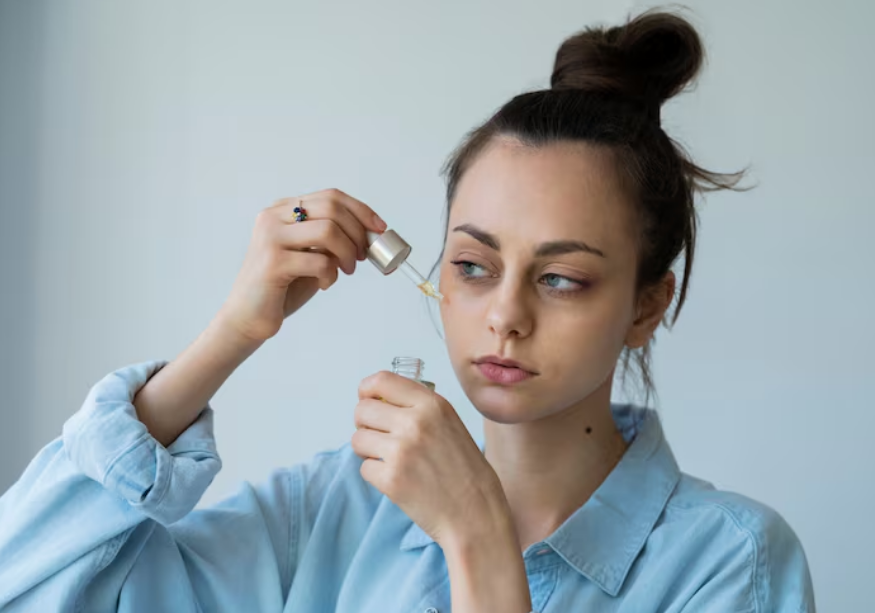
The pursuit of youthful, glowing skin has inspired countless innovations in the beauty industry. Among the ingredients gaining significant attention are peptides, powerful molecules that play an essential role in maintaining skin health and appearance. From improving firmness to reducing the visibility of fine lines, peptides have become popular additions to modern skincare formulations.
Understanding how peptides work can help individuals make informed decisions about their skincare routines and discover the potential benefits of these ingredients.
What Are Peptides in Skincare?
Peptides are short chains of amino acids, the building blocks of proteins. In the skin, proteins such as collagen, elastin, and keratin contribute to strength, flexibility, and overall structure.
As people age, collagen production gradually declines, contributing to wrinkles, sagging, and changes in skin texture. Certain peptides used in skincare products are designed to support processes associated with maintaining healthy-looking skin.
Unlike some aggressive skincare treatments, many peptide formulations are suitable for regular use and can complement other ingredients in a balanced skincare routine.
How Peptides Support Youthful Skin
Peptides work through different biological mechanisms depending on their chemical structure and formulation. Some are designed to act as signaling molecules, while others may influence skin-conditioning processes.
1. Supporting Collagen Production
Collagen provides structural support to the skin, helping maintain firmness and smoothness. Certain signaling peptides may encourage pathways involved in collagen synthesis.
Consistent use of well-formulated peptide products may gradually improve the appearance of fine lines and skin firmness, although results depend on the specific peptide and available clinical evidence.
2. Improving Skin Elasticity
Elasticity allows the skin to stretch and return to its original shape. Aging, environmental exposure, and changes in structural proteins can reduce this ability.
Some peptide-based formulations aim to support the skin’s structural integrity, potentially improving its overall appearance and resilience.
3. Reducing the Appearance of Fine Lines
Fine lines often become more noticeable as skin loses moisture and structural support.
Peptide serums and moisturizers may help soften their appearance through hydration and targeted skin-conditioning benefits. However, topical peptides do not produce the same effects as injectable cosmetic treatments.
4. Supporting the Skin Barrier
The skin barrier protects against environmental irritants and helps prevent excessive moisture loss.
Certain peptide-containing products, particularly those combined with ceramides, glycerin, or hyaluronic acid, may support hydration and leave skin feeling smoother and more comfortable.
Different Types of Peptides Used in Skincare
Not all peptides perform the same function. Cosmetic formulations commonly feature several categories.
Signal Peptides: These are intended to influence cellular communication and may support processes related to collagen production and skin repair.
Carrier Peptides: Some carrier peptides, including copper-binding peptides, are studied for their potential roles in tissue maintenance and skin appearance.
Neurotransmitter-Inhibiting Peptides: These ingredients are marketed to reduce the appearance of expression lines by influencing pathways related to muscle activity. However, evidence for meaningful effects from topical application remains limited.
Enzyme-Inhibiting Peptides: Certain peptides are investigated for their ability to influence enzymes involved in the breakdown of structural skin proteins.
Each category has a distinct proposed mechanism, making formulation quality and supporting research important considerations.
How to Incorporate Peptides Into Your Skincare Routine
Adding peptides to a skincare routine does not require complicated steps. Most peptide products are available as serums, creams, and moisturizers.
A simple morning routine can begin with a gentle cleanser, followed by a peptide serum and moisturizer. Broad-spectrum sunscreen with SPF 30 or higher should complete the routine to protect against UV-related skin aging.
At night, peptides can be applied after cleansing and before moisturizing, depending on the product instructions.
Peptides are often compatible with hydrating ingredients such as hyaluronic acid, niacinamide, and ceramides. Some formulations can also be used alongside retinoids, although introducing multiple active ingredients gradually helps minimize irritation.
What Does Science Say About Peptides?
Scientific interest in cosmetic peptides has increased because of their potential involvement in cellular signaling, collagen-related pathways, and skin maintenance.
Laboratory research and some small clinical studies suggest that selected topical peptides may improve skin texture, hydration, or the appearance of wrinkles.
However, results vary considerably. Not every peptide has strong human clinical evidence, and successful laboratory findings do not automatically translate into visible improvements when applied to the skin.
Factors such as molecular size, concentration, stability, delivery systems, and formulation influence how effectively a peptide product performs.
Are Peptides Suitable for Every Skin Type?
Many peptide skincare products are generally well tolerated by people with dry, oily, combination, or mature skin.
Individuals with sensitive skin should examine the complete ingredient list because fragrances, preservatives, or other active ingredients may cause irritation.
Patch testing a new product is a sensible precaution, particularly for anyone with a history of skin sensitivity.
The Future of Peptide-Based Skincare
Advances in cosmetic chemistry are encouraging researchers to investigate improved peptide delivery systems, more stable formulations, and targeted approaches to age-related skin concerns.
Future innovations may help manufacturers develop products with better ingredient penetration and more consistent clinical results.
Nevertheless, peptides should be viewed as one component of comprehensive skincare rather than a guaranteed solution for reversing aging.
Conclusion
Peptides represent an interesting development in skincare science, offering potential benefits for maintaining smoother, firmer, and healthier-looking skin. Their ability to participate in biological signaling makes them valuable subjects of research and cosmetic innovation.
Although some peptide formulations show promising results, their effectiveness depends on the ingredients, product design, and supporting evidence. Combining suitable peptide products with consistent moisturizing, daily sun protection, and healthy skincare habits offers a practical approach to preserving a youthful-looking complexion.
Read More : Japandi Fusion: Blending Scandinavian Functionality with Japanese Wabi-Sabi
