
Introduction
Interior design is increasingly moving toward spaces that encourage simplicity, comfort, and meaningful living. Among the most appealing design movements is Japandi, a harmonious fusion of Japanese minimalism and Scandinavian functionality. This distinctive style combines the warmth and practicality of Nordic interiors with the peaceful elegance of Japanese aesthetics.
Japandi is more than a decorating trend. It represents a thoughtful approach to creating environments that feel balanced, welcoming, and connected to nature. By embracing natural materials, understated colors, and purposeful furniture, homeowners can transform ordinary rooms into peaceful retreats.
Understanding the Philosophy Behind Japandi Design
Japandi draws inspiration from two design traditions that share surprisingly similar values.
Scandinavian design emphasizes functionality, simplicity, and comfort. Its philosophy often incorporates hygge, the Danish concept associated with coziness and everyday contentment. Light-filled spaces, practical furniture, and natural textures contribute to its welcoming atmosphere.
Japanese design introduces the philosophy of wabi-sabi, which recognizes beauty in imperfection, impermanence, and authenticity. Rather than seeking flawless symmetry or polished perfection, wabi-sabi appreciates weathered surfaces, handmade objects, and natural variations.
When combined, these philosophies create interiors that celebrate both practical living and emotional connection.
Natural Materials Create Authentic Beauty
One of the defining characteristics of Japandi interiors is the extensive use of natural materials.
Wood serves as a foundational element, introducing warmth and texture into minimalist spaces. Light oak, ash, and birch reflect Scandinavian influences, while darker woods can introduce the depth associated with traditional Japanese interiors.
Other important materials include bamboo, linen, cotton, stone, clay, and rattan.
Handcrafted ceramics, woven baskets, and textured fabrics add personality without overwhelming the room. Rather than concealing imperfections, Japandi design embraces visible wood grains, irregular pottery shapes, and subtle variations in natural surfaces.
These details make interiors feel genuine and timeless.
Creating a Calm and Balanced Color Palette
Color plays an essential role in establishing the peaceful atmosphere associated with Japandi.
Neutral shades such as warm white, beige, taupe, soft gray, and cream provide a soothing foundation. Earth-inspired colors, including muted olive, charcoal, terracotta, and warm brown, introduce visual depth.
Unlike interiors dominated by strong contrasts and vibrant patterns, Japandi spaces rely on subtle tonal relationships.
For example, a beige sofa paired with an oak coffee table, charcoal cushions, and a textured cream rug can create an inviting living room without excessive decoration.
The objective is to build visual harmony while allowing materials and craftsmanship to stand out.
Functionality Meets Thoughtful Minimalism
Scandinavian functionality remains a central feature of Japandi design.
Furniture should serve a clear purpose while contributing to the overall aesthetic. Multifunctional pieces, concealed storage, and streamlined layouts help maintain uncluttered environments.
Low-profile furniture is particularly popular because it reflects Japanese interior traditions and creates a sense of openness.
A simple wooden dining table, comfortable upholstered chairs, and carefully selected lighting can establish a beautiful dining area without unnecessary accessories.
However, Japandi minimalism does not require eliminating personal belongings. Instead, it encourages homeowners to keep objects that are useful, meaningful, or genuinely beautiful.
Embracing Imperfection Through Wabi-Sabi
Wabi-sabi introduces an important emotional dimension to Japandi interiors.
Modern decorating sometimes emphasizes perfectly coordinated furnishings and flawless finishes. Japandi takes a different approach by appreciating the individuality of handmade and naturally aged objects.
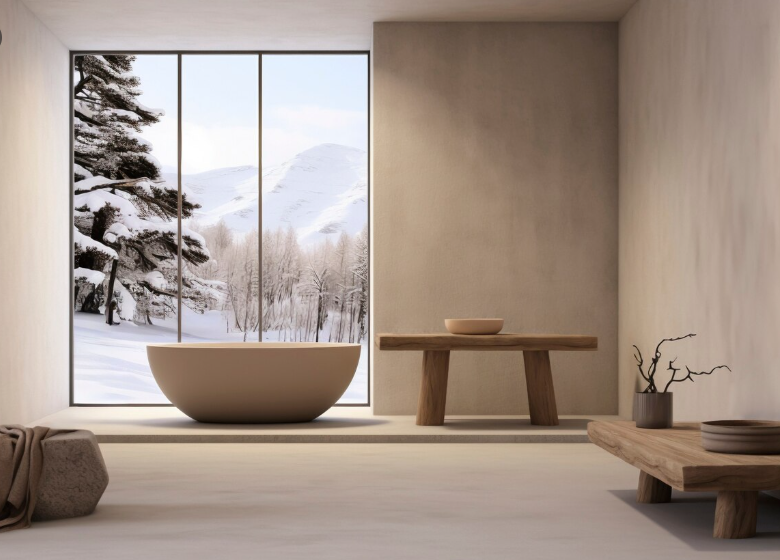
A ceramic vase with an uneven glaze, a wooden bench featuring visible knots, or a handcrafted bowl can become a meaningful design element.
These imperfections contribute character and authenticity.
Rather than constantly replacing older belongings, homeowners can incorporate carefully maintained vintage furniture and decorative pieces that tell personal stories.
This approach also supports more conscious consumption and encourages appreciation for durable craftsmanship.
Lighting and Nature Enhance the Atmosphere
Natural light is essential for achieving the relaxed atmosphere of Japandi interiors.
Large windows, lightweight curtains, and open layouts allow daylight to move throughout a room. When natural lighting is limited, warm artificial illumination can create a similarly comfortable environment.
Paper lanterns, minimalist pendant lights, and understated table lamps complement the design aesthetic.
Indoor plants also strengthen the connection between interior spaces and nature. A carefully positioned bonsai, fern, or leafy houseplant can bring freshness without creating visual clutter.
The key is restraint. A few thoughtfully arranged natural elements often create a stronger impression than numerous decorations.
Bringing Japandi Style Into Different Rooms
Japandi principles can be introduced throughout the home.
In the living room, combine a low wooden coffee table with neutral seating and textured cushions. Bedrooms benefit from simple bed frames, breathable linen bedding, and soft lighting.
Kitchens can incorporate wooden cabinetry, stone countertops, and organized open shelving. Bathrooms become more relaxing with natural finishes, minimal accessories, and warm neutral colors.
Regardless of the room, the focus should remain on functionality, simplicity, and comfort.
Why Japandi Design Has Lasting Appeal
Japandi resonates with people seeking relief from visually overwhelming environments and excessive consumption.
Its emphasis on quality over quantity encourages thoughtful purchasing decisions. Natural materials, timeless furniture, and adaptable color palettes also help interiors remain attractive despite changing decorating trends.
Most importantly, Japandi prioritizes how a space feels rather than simply how it looks.
A thoughtfully designed home supports relaxation, everyday routines, and meaningful experiences.
Conclusion
Japandi fusion represents a beautiful meeting of Scandinavian practicality and Japanese wabi-sabi philosophy. By combining functional furniture, natural materials, calming colors, and an appreciation for imperfection, this style creates interiors that feel both sophisticated and welcoming.
Its enduring appeal lies in simplicity with purpose. Instead of filling rooms with unnecessary decoration, Japandi encourages homeowners to create thoughtful spaces where comfort, authenticity, and natural beauty coexist.
Read More : Net-Zero Architecture: Building Homes That Generate Their Own Energy
Do you like this personality?

2 comments