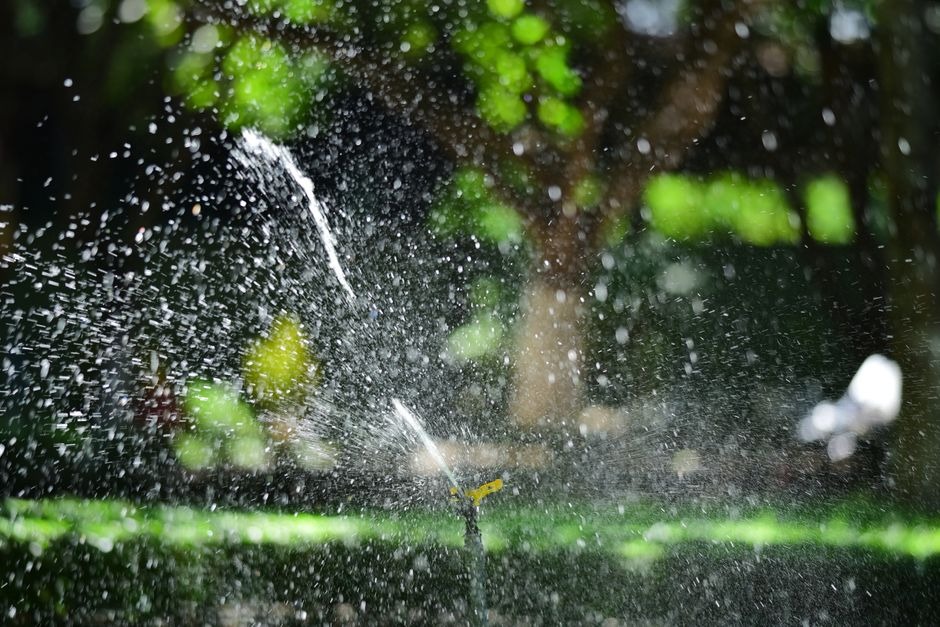
If you own, manage, or plan to buy property in Odessa, your landscaping may be doing more financial work than you realize. Long dry stretches, intense heat, wind, and mineral-heavy water can put lawns and irrigation equipment under pressure. When a sprinkler system is neglected, the results can include stressed plants, wasted water, higher operating costs, and visible damage that raises questions during property tours or inspections.
Regular maintenance cannot guarantee a higher sale price, but it can help preserve the landscape, reduce avoidable expenses, and support the impression that a property has been cared for.
First Impressions Begin Outside
A property’s exterior often shapes expectations before anyone steps inside. Patchy grass, muddy beds, dry shrubs, and sprinklers spraying across pavement can make a home or commercial site look neglected.
A properly maintained irrigation system should deliver water where it is needed, provide reasonably even coverage, and limit runoff. A healthy, orderly landscape can strengthen the overall presentation, while obvious irrigation problems may prompt questions about other maintenance needs.
Maintenance Records Support Better Property Decisions
When selling or leasing a property, records of routine maintenance can make conversations about the landscape more straightforward. A service history, notes about repairs, and records of controller adjustments help show that the system has received attention.
For owners comparing providers for sprinkler repair in Odessa, it is worth asking what an inspection includes. A useful assessment should consider head operation, pressure, valves, controller settings, leaks, and coverage across each zone—not simply replace the first visibly damaged part. A thorough check can help identify the cause of recurring landscape problems rather than repeatedly treating their symptoms.
Climate Conditions Put Irrigation Under Pressure
Hot weather and strong sunlight increase evaporation, while wind can distort spray patterns and carry water away from the intended area. Mineral deposits may also accumulate in nozzles and other components, restricting flow or changing distribution.
A system that worked well last season may no longer provide even coverage if heads have shifted, filters are clogged, or pressure has changed. Rather than relying on one fixed schedule throughout the year, owners should review settings as weather and landscape needs change. It is also useful to consider plant type and sun exposure. A shaded planting bed may need less water than turf in direct sunlight, even when both areas are connected to the same controller. Matching schedules to actual conditions makes the system more efficient and helps prevent unnecessary stress on the landscape.
Small Faults Can Become Expensive Landscape Problems
A tilted sprinkler head or minor valve leak may seem unimportant. Over time, however, one section of lawn can receive too much water while another remains dry. Excess moisture can contribute to runoff and unhealthy growing conditions; too little can weaken turf and newly planted shrubs.
Underground leaks are especially easy to miss. A sudden increase in water use, unusually soft ground, or a persistently wet patch may indicate a problem below the surface. Controller faults can also cause a zone to run too long or fail to activate.
Routine inspections help identify these issues before damaged turf, plants, or soil require more extensive work.
Maintenance Is a Practical Budget Strategy
An inefficient system wastes more than water. It can increase utility costs, require repeat service calls, and shorten the life of landscape materials. Sprinklers that spray sidewalks, driveways, fences, or exterior walls use water without benefiting the plants.
During an inspection, run each zone and watch the heads operate. Look for broken or clogged nozzles, uneven spray, leaks, low pressure, and water pooling. Check that heads are upright and clear of overgrown grass. Confirm that the controller’s time, frequency, and zone settings still suit the property. Make a note of any zone that takes noticeably longer to cover its area or leaves dry spots behind. Comparing observations over several inspections can reveal recurring problems and help prioritize repairs. This is particularly useful for owners responsible for multiple buildings or large outdoor spaces.
The Environmental Protection Agency’s WaterSense home maintenance guidance recommends checking for leaks and clogged heads, keeping spray off hard surfaces, and adjusting schedules to match seasonal conditions.
Smart Controllers Can Improve Watering Decisions
Smart controllers still need correct setup and review. Weather-based models use local weather and landscape information to adjust watering. Soil-moisture-based systems use readings from the ground to help determine when irrigation is needed.
These tools can reduce unnecessary watering when properly installed and programmed. A controller cannot compensate for a broken nozzle or an underground leak. Technology works best when it supports regular inspection rather than replacing it.
The EPA explains how weather-based irrigation controllers use weather and landscape conditions to tailor watering schedules.
Warning Signs Owners Should Not Ignore
Watch for dry strips that persist despite watering, unusually green or soggy patches, heads that fail to rise, misting spray, and water reaching paved areas. Listen for unusual valve noises and check whether the controller displays an error.
Also pay attention to changes in water use. Avoid increasing the watering schedule before checking whether the system is distributing water properly. More watering will not solve a broken component and may make the problem worse.
Protect the Landscape and the Investment
A maintenance plan makes responsibilities easier to coordinate between owners, tenants, property managers, and service providers.
The value of irrigation maintenance is practical. It helps preserve landscaping, control avoidable water use, and reduce the risk of preventable repairs. When the irrigation system and landscape work together, the property looks better maintained and is easier to manage. That is a worthwhile outcome for owners who want to protect their investment consistently over time.
Read more : The Tokenization of Everything: Fractional Ownership Beyond Real Estate