
Introduction
The automotive industry is undergoing a remarkable transformation. Cars are no longer defined solely by their engines, mechanical components, and physical design. Modern vehicles increasingly rely on sophisticated software systems that control everything from entertainment and navigation to battery management and advanced driver assistance.
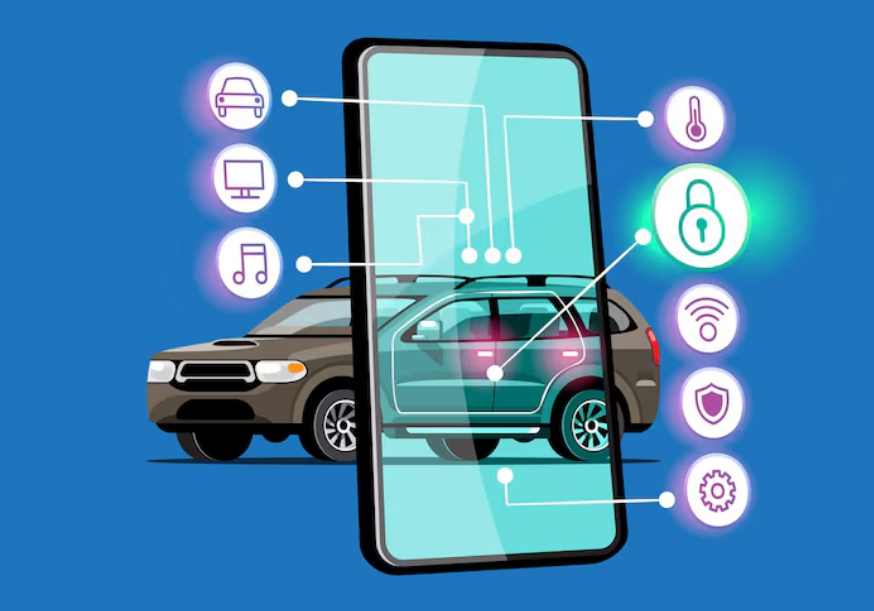
This evolution has introduced a new concept known as the software-defined vehicle (SDV). Unlike traditional automobiles, software-defined vehicles can receive improvements and new capabilities through digital updates, often without requiring a visit to a dealership.
At the center of this transformation are over-the-air (OTA) updates, which are fundamentally changing how manufacturers develop vehicles and how drivers experience car ownership.
What Are Software-Defined Vehicles?
A software-defined vehicle is an automobile in which many essential functions and features are managed through software rather than being determined exclusively by fixed hardware.
Traditional vehicles depend heavily on mechanical systems and separate electronic control units. While modern SDVs still require specialized hardware, they increasingly use centralized computing platforms and integrated software architectures to manage vehicle operations.
This approach enables manufacturers to enhance certain vehicle capabilities even after the car has been purchased.
For example, a manufacturer might introduce improved navigation functions, refine energy management, or update driver assistance features through software rather than requiring physical modifications.
As a result, cars are becoming adaptable digital platforms instead of products whose capabilities remain largely unchanged throughout their lifespan.
Understanding Over-the-Air Updates
Over-the-air updates allow manufacturers to deliver software improvements wirelessly through cellular networks or Wi-Fi connections.
Similar to smartphone updates, these installations can introduce new functions, resolve technical problems, and improve existing systems.
Vehicle OTA updates generally fall into two categories:
Software Over-the-Air (SOTA): These updates typically focus on infotainment systems, navigation applications, connectivity features, and other software services.
Firmware Over-the-Air (FOTA): These updates can modify software embedded in vehicle control modules, potentially affecting systems such as battery management, powertrain operation, and other supported electronic components.
Not every vehicle supports updates to every system. The available functions depend on its hardware, software architecture, and manufacturer policies.
How OTA Updates Are Changing Car Ownership
1. Continuous Improvements After Purchase
Traditionally, buyers received a vehicle with a relatively fixed collection of features. Significant improvements usually required purchasing a newer model.
Software-defined vehicles challenge this approach.
Manufacturers can release updates that improve existing functions or introduce additional compatible features after delivery. This helps vehicles remain technologically relevant for longer.
For owners, the experience becomes more dynamic because their cars may continue evolving throughout their service lives.
2. Reduced Dependence on Dealership Visits
One of the greatest advantages of OTA technology is convenience.
Certain software issues that previously required dealership appointments can now be resolved remotely.
Owners may receive update notifications through their vehicle’s display or a companion mobile application. Depending on the vehicle, installation may occur automatically or require approval while the car is safely parked.
However, mechanical repairs, hardware replacements, and some safety-related services still require professional attention.
3. Enhanced Vehicle Safety and Cybersecurity
Software updates play an increasingly important role in modern automotive safety.
Manufacturers can use OTA technology to correct eligible software defects, improve supported driver assistance functions, and address cybersecurity vulnerabilities.
Security updates are particularly important because connected vehicles communicate with external systems and digital services.
A well-maintained update system can help manufacturers respond to newly discovered vulnerabilities more efficiently.
Nevertheless, OTA capability does not eliminate the need for vehicle inspections, recalls, or regular maintenance.
4. Improved Electric Vehicle Performance
Software-defined technology is especially valuable for electric vehicles.
Advanced software manages battery charging, temperature regulation, energy consumption, and regenerative braking.
Through compatible OTA updates, manufacturers may refine these systems to improve efficiency, charging behavior, or overall driving experience.
Such improvements depend on vehicle design and technical limitations. Software updates cannot overcome every physical constraint of battery hardware.
Still, continuous optimization creates opportunities for manufacturers to improve the ownership experience without replacing major components.
5. Greater Personalization
Software-defined vehicles enable increasingly personalized driving experiences.
Drivers may be able to customize display layouts, cabin settings, navigation preferences, and entertainment options.
Some manufacturers also offer additional digital capabilities through optional purchases or subscriptions.
For example, eligible vehicles may support paid connectivity packages, enhanced navigation services, or advanced convenience functions.
While customization creates flexibility, subscription-based features also raise important questions about long-term ownership costs and access to functionality.
The Challenges of Software-Defined Vehicles
Despite their advantages, software-defined vehicles introduce new responsibilities and concerns.
Cybersecurity risks: Connected vehicles require strong protection against unauthorized access, malicious software, and data breaches.
Privacy concerns: Vehicle systems may collect location information, driving behavior, and usage data, making transparent data management essential.
Update reliability: Poorly tested updates could introduce software problems or temporarily affect vehicle functionality.
Subscription expenses: Some manufacturers may charge recurring fees for connected services or selected features.
Long-term support: Owners need clarity about how many years their vehicles will receive security patches, software improvements, and compatible services.
These concerns highlight the importance of reliable software engineering, transparent manufacturer policies, and effective consumer protection.
What the Future Holds
The next generation of vehicles will likely feature more integrated computing architectures, advanced connectivity, and increasingly sophisticated software platforms.
Artificial intelligence may support improved voice assistants, predictive maintenance, and personalized vehicle interfaces.
Manufacturers may also use vehicle-generated diagnostic information to identify developing technical problems before they become serious.
Meanwhile, OTA technology could help manufacturers manage software maintenance more efficiently across large vehicle fleets.
However, the long-term success of software-defined vehicles will depend on dependable cybersecurity, affordable maintenance, and consistent software support.
Conclusion
Software-defined vehicles represent a significant shift in the automotive industry. Through over-the-air updates, manufacturers can improve supported vehicle features, address software vulnerabilities, and enhance digital experiences after purchase.
For drivers, this means greater convenience, more personalization, and the possibility of continuous technological improvement.
At the same time, vehicle owners must consider software support policies, privacy protections, reliability, and potential subscription costs.
As automotive technology continues advancing, car ownership will increasingly involve managing not only a physical machine but also a connected digital platform.
Read More : The Physics of Drift: Masterclass in Vehicle Traction Control