
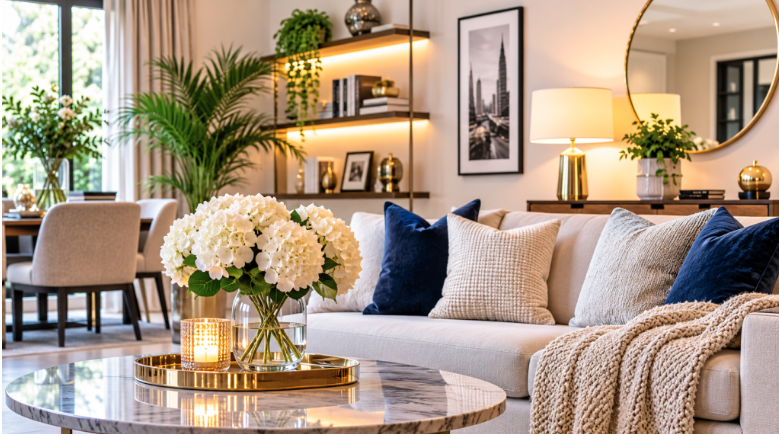
A luxurious home is not necessarily defined by expensive furniture, elaborate decorations or large living spaces. Often, the most comfortable and visually appealing homes are those where small details work together to create a pleasant everyday experience. From thoughtful lighting choices to organised interiors, natural materials and carefully selected fragrances, minor improvements can significantly influence how a home looks and feels.
Modern homeowners are increasingly recognising that comfort comes from more than appearance. The atmosphere of a room, the quality of indoor lighting, the arrangement of furniture and even the fragrance in the air can contribute to a more enjoyable living environment. These improvements do not always require extensive renovations or substantial financial investment. With a few practical adjustments, an ordinary living space can become more welcoming, functional and refined.
The Importance of Creating a Comfortable Home Environment
A comfortable home supports everyday activities while providing an environment where people can relax and spend quality time. Interior design plays an important role in achieving this balance. However, comfort should not be measured entirely by visual appeal. Temperature, lighting, ventilation, cleanliness, sound and fragrance also influence the overall indoor experience.
For example, a beautifully decorated living room may still feel uncomfortable if it has poor lighting or unnecessary clutter. Similarly, a well-furnished bedroom may not provide the desired sense of relaxation if the environment feels stuffy or lacks adequate ventilation.
Understanding these different elements helps homeowners make improvements that address both practical needs and personal preferences. Rather than focusing on expensive decorative additions, it is often more beneficial to improve the features that influence everyday living.
Use Lighting to Improve the Atmosphere of Different Rooms
Lighting is one of the simplest ways to change the appearance and atmosphere of an interior. Natural daylight can make rooms feel more spacious, improve visibility and create a connection with the outdoors. Keeping windows unobstructed, choosing suitable curtains and using mirrors strategically can help distribute natural light throughout a space.
Artificial lighting also deserves careful consideration. Instead of relying on one bright ceiling light, homeowners can combine different lighting sources according to the purpose of each room. Floor lamps, bedside lights, wall fixtures and table lamps provide flexibility and help create different atmospheres.
Warm lighting is often suitable for bedrooms and relaxation areas, while brighter, neutral lighting may be more practical for kitchens, study areas and workspaces. Using dimmable lights can provide additional control, allowing the brightness to change throughout the day.
Introduce Fragrance as Part of Interior Comfort
Fragrance is an often-overlooked element of interior design. While furniture, colours and decorative accessories influence what people see, scent contributes to the sensory experience of entering and spending time in a room.
A pleasant indoor fragrance can make an environment feel fresher and more inviting. However, choosing the right fragrance requires consideration of room size, ventilation, personal preferences and the intensity of the aroma.
A Scent Diffuser for Home provides a convenient way to distribute fragrance throughout an indoor space. Depending on the technology, diffusers may use ultrasonic vibration, heat, evaporation or nebulisation to release fragrance into the surrounding air. Each method has different operating requirements and fragrance characteristics.
For instance, ultrasonic diffusers generally combine water with suitable essential oils to produce a fine mist. Reed diffusers use absorbent sticks to distribute fragrance through natural evaporation, while nebulising models disperse concentrated fragrance without requiring water.
The choice should depend on the intended application, maintenance requirements and fragrance preferences. A lighter fragrance may be more appropriate for smaller rooms, whereas larger spaces may require a diffuser designed for greater coverage. It is also important to follow manufacturer instructions and avoid excessive fragrance concentration, particularly in homes with children, pets or individuals sensitive to strong aromas.
Keep Interior Spaces Organised and Clutter-Free
Organisation has a direct influence on how spacious and comfortable a home feels. Unnecessary objects can make even a large room appear crowded, while carefully arranged furniture and storage solutions can improve the functionality of smaller spaces.
One practical approach is to assign a specific place to frequently used household items. Storage baskets, drawer organisers, shelves and cabinets can help maintain order without making the interior look overly complicated.
Homeowners can also reconsider the number of decorative accessories displayed in each room. Rather than filling every available surface, selecting a few meaningful objects can create a more balanced appearance. This approach makes cleaning easier and allows individual design elements to stand out.
Regularly reviewing household belongings is another useful habit. Items that are no longer needed can be donated, recycled or stored appropriately. Maintaining an organised environment requires consistency, but the improvement in everyday convenience can be significant.
Choose Materials That Combine Appearance and Practicality
Materials influence both the visual character and functional performance of an interior. Natural wood, stone, cotton, linen and wool can introduce different textures that make a room feel more comfortable and visually interesting.
However, material selection should not be based on appearance alone. Durability, cleaning requirements, moisture resistance and maintenance costs are equally important considerations.
For example, washable fabrics can be useful in frequently occupied living areas, while moisture-resistant surfaces are generally more practical for kitchens and bathrooms. Wooden furniture can add warmth to an interior, but the appropriate finish and maintenance routine are necessary to preserve its appearance.
Combining different textures can also create depth without requiring additional decoration. A wooden coffee table, soft upholstery, textured cushions and a natural-fibre rug can work together to produce a balanced living environment.
Improve Indoor Air Quality and Ventilation
A pleasant home environment depends on more than attractive interiors and fragrance. Indoor air quality is an important consideration because people spend a substantial amount of time inside residential buildings.
Regular ventilation helps replace indoor air with outdoor air when outdoor conditions are suitable. Opening windows, using kitchen exhaust fans and maintaining bathroom ventilation can help reduce accumulated moisture, cooking odours and indoor pollutants.
Dusting surfaces, vacuuming regularly and cleaning air filters are also useful practices. Air conditioning systems should receive appropriate maintenance to support efficient operation and prevent the accumulation of dust and debris.
Houseplants may add visual appeal and introduce natural elements into a room, but they should not be considered a replacement for proper ventilation or air filtration.
It is also worth remembering that fragrance products do not remove airborne pollutants. A Scent Diffuser for Home can contribute to the perceived freshness of an indoor environment, but it should complement rather than replace cleaning, ventilation and other indoor air quality measures.
Make Bedrooms More Suitable for Relaxation
Bedrooms are primarily designed for rest, so their layout and atmosphere should support comfort and convenience. Excessive decoration, unnecessary electronic distractions and unsuitable lighting can make a bedroom feel less relaxing.
Choosing comfortable bedding, maintaining suitable room temperatures and keeping frequently used items accessible can improve the overall experience. Blackout curtains may help limit external light, while bedside lighting can provide a softer alternative to bright overhead fixtures.
Colour selection also influences the visual character of a bedroom. Neutral shades, muted greens, soft blues and warm earth tones are popular choices because they can create a calm appearance without making the room feel visually overwhelming.
Fragrance preferences should also be considered carefully. Some people prefer mild floral, woody or herbal aromas, while others find an unscented bedroom more comfortable. Any fragrance product should be used in moderation, particularly when sleeping or when someone in the household has respiratory sensitivities.
Bring Natural Elements into Everyday Interiors
Natural elements can make indoor spaces feel more connected to the outdoors. Materials such as wood, stone, bamboo and natural fabrics introduce organic textures that work with many interior design styles.
Plants are another practical addition. Depending on the available light and maintenance requirements, homeowners can select indoor plants that suit their living conditions. Small plants can work well on shelves and desks, while larger varieties may become focal points in living rooms or entrance areas.
Natural daylight, outdoor views and access to fresh air can further strengthen this connection. Even in apartments with limited outdoor space, a small balcony garden or a few carefully positioned plants can make a noticeable difference to the overall appearance of an interior.
Pay Attention to Small Details and Regular Maintenance
Luxury is often associated with consistency rather than occasional expensive purchases. Clean surfaces, properly maintained fixtures, organised storage and functional household equipment help preserve the overall quality of a living space.
Small maintenance activities can prevent minor problems from becoming expensive repairs. Checking leaking taps, cleaning light fixtures, maintaining door hinges and inspecting electrical fittings are simple examples of tasks that support a well-maintained home.
Homeowners should also pay attention to frequently touched areas, including door handles, switches, countertops and furniture surfaces. Regular cleaning improves hygiene and helps maintain the appearance of commonly used spaces.
A Scent Diffuser for Home, well-maintained lighting fixtures or a carefully selected decorative accessory can add to the finishing touches, but these details work best when the surrounding environment is already clean and organised.
Conclusion
Creating a more luxurious home does not always require major renovations, expensive furniture or elaborate decorative changes. Everyday improvements such as better lighting, organised storage, practical material choices, proper ventilation and thoughtful fragrance selection can make residential spaces more comfortable and inviting.
The most effective approach is to understand how different elements contribute to the overall indoor experience. By prioritising functionality, cleanliness and personal comfort, homeowners can gradually improve their surroundings without making unnecessary investments. Ultimately, a well-designed home is not simply one that looks impressive but one that makes everyday living easier, more comfortable and more enjoyable.
Read more : Acoustic Architecture: Designing Home Spaces for Peace, Silence, and Clarity

1 comment