Ask anyone what makes a face look instantly put together, and there’s a good chance they’ll say brows. Ask them what makes a piece of body art stop you mid-scroll, and many will say realism, the kind of tattoo that looks so lifelike you almost expect it to move. On the surface, these two things couldn’t be more different. One is a quiet, polished finishing touch. The other is a bold artistic statement.
But look a little closer and they share the same foundation: skill with a tattoo machine, a good eye for detail and a real understanding of skin. Both have also grown from niche services into some of the most talked-about areas of the beauty and body art industries.
Whether you’re curious about getting this kind of work done or thinking about turning your creativity into a career, here’s a friendly look at how these two worlds overlap.
Why Brows Have Become the Main Event
Not long ago, brows were an afterthought. You tidied them up, maybe filled them in with a pencil, and moved on with your day.
These days, they’re often the first thing people think about when planning a beauty routine. Well-shaped brows frame the face, balance your features and can make you look more awake, even on mornings when you’ve barely had a coffee.
The challenge is that daily brow makeup takes time. Pencils smudge, powders fade and gels don’t always survive a humid afternoon or a spin class. It’s no surprise that many people are turning to cosmetic tattooing as a longer-lasting alternative.
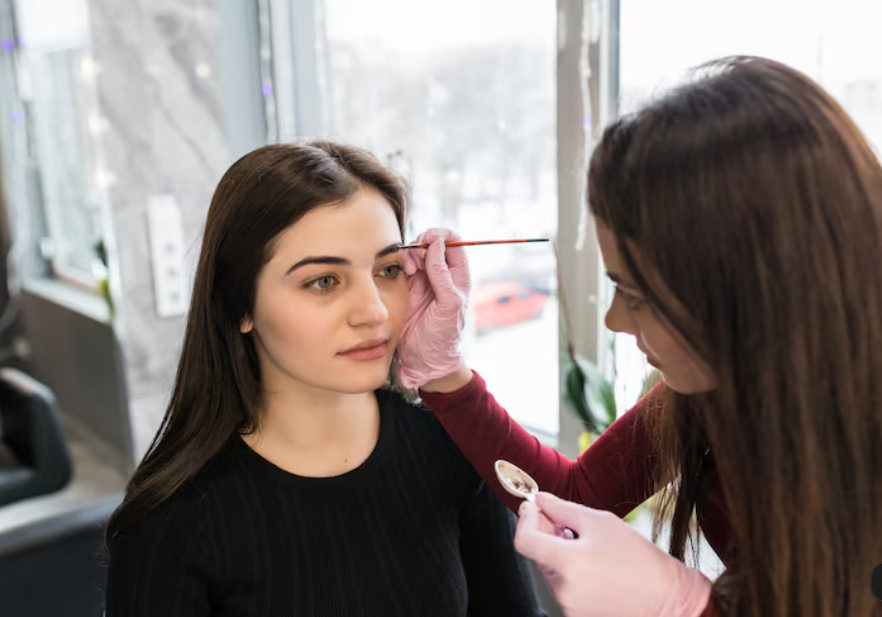
Cosmetic eyebrow tattooing is a semi-permanent technique that deposits pigment into the upper layers of the skin to create the look of fuller, more defined brows. Depending on the technique, the result can be anything from fine, hair-like strokes to a soft, powdered finish that looks like light makeup.
The appeal is simple: you wake up with brows that already look good.
The Skill Behind a Natural-Looking Brow
If you’ve ever seen brows that looked a bit too sharp, too dark or slightly off-balance, you already know that this work is much harder than it looks.
Good brow artists don’t simply draw a shape and fill it in. They study the client’s face, bone structure, natural hair growth and skin type. They think about symmetry, but they also know that no face is perfectly symmetrical, so the goal is balance rather than perfection.
They also need to understand how pigment behaves. Skin undertones, healing and colour selection all affect how the final result looks months down the track. A shade that appears soft and natural on day one can heal warmer, cooler or lighter than expected if the artist doesn’t know what to look for.
That’s why training matters. An eyebrow tattooing course can introduce aspiring beauty professionals to the practical side of this craft, including skin fundamentals, brow mapping, colour theory, hygiene practices and client consultations. For anyone who loves detail-oriented work and enjoys helping people feel more confident, it can be a rewarding path.
From Delicate Brows to Dramatic Realism
Now let’s switch gears completely.
If cosmetic brow work is about subtlety, realism tattooing is about impact. Realism tattoos aim to recreate subjects with photographic accuracy. Think portraits that look like black and white photographs, animals with individual strands of fur, flowers with petals so detailed you can almost feel the texture, or a pocket watch that appears to gleam under the light.
It’s an art form that demands patience and serious technical ability. Realism artists work with smooth gradients, subtle contrasts and layers of shading that gradually build depth. A tiny mistake in tone or proportion can change the entire feel of a piece. Eyes in a portrait are a perfect example: the slightest shift in highlight placement can make them look lively or lifeless.
It’s also a style that people tend to remember. Someone might choose a realism tattoo to honour a loved one, capture a cherished pet, celebrate a favourite place or simply show off their love of art. Because the work is so personal, the pressure on the artist to get it right is high.
What These Two Specialities Have in Common
At first glance, a soft, powdered brow and a hyper-detailed portrait seem like opposite ends of the creative spectrum. Yet the skills behind them overlap more than you might think.
Here are a few things both disciplines rely on:
- A steady hand and serious patience. Whether you’re creating a single brow stroke or blending a shadow across a shoulder, there’s no rushing. Precision takes time.
- A strong understanding of skin. Skin type, thickness, tone and healing all influence how pigment settles and how the work looks in the long run.
- Artistic judgement. Both areas call for an eye for proportion, balance, light and shadow. Technical skill matters, but so does knowing what looks right.
- Excellent hygiene and safety practices. Working with needles and skin means infection control is non-negotiable. Clients should always feel confident that their artist takes safety seriously.
- Good communication. The best artists listen carefully, ask the right questions and are honest about what’s achievable. A great consultation can be just as important as a great design.
- A commitment to ongoing learning. Techniques, tools and trends keep evolving. Artists who stay curious tend to keep improving.
Thinking About Getting Work Done? Start Here
If this all has you tempted to book an appointment, a little preparation goes a long way. Both brow tattooing and realism tattoos are long-term decisions, so it pays to take your time.
Start by researching artists thoroughly. Look at healed work, not just fresh photos, because that’s the best indication of how a piece will actually look once the skin has settled. Check that the studio is clean, the artist is happy to answer your questions and the consultation feels relaxed rather than rushed.
Think carefully about what you really want. For brows, that might mean deciding between a natural, hair-stroke look and something softer and more makeup-like. For a realism tattoo, it’s worth considering the subject, placement and size. Highly detailed designs generally need enough room to look their best, and a reference image that’s clear and high quality can make a big difference.
Above all, don’t feel pressured to decide quickly. A good artist will never mind you taking time to think it over.
Turning a Creative Spark Into a Career
Maybe you’ve been on the other side of the conversation and wondered whether you could do this yourself. You wouldn’t be alone. As interest in cosmetic enhancements and body art continues to grow, more people are exploring professional training as a way to turn their creativity into a career.
If your heart is in detailed, lifelike artwork, a realism tattoo course can help you build the skills needed to create highly detailed designs. Training in this area often covers topics such as shading techniques, contrast and depth, machine handling, stencil preparation and safe working practices. Realism is a demanding style, but for artists who love precision and storytelling through images, it can be incredibly satisfying.
Both pathways reward the same qualities: curiosity, dedication and a genuine desire to help people feel good about themselves. Neither is a shortcut, and neither will turn you into an expert overnight. But with quality training, plenty of practice and a willingness to keep learning, they can lead to a career that blends art, skill and personal connection.
Final Thoughts
Beauty and tattooing may sit in different corners of the creative world, but they’re closer than they appear. One enhances the face with quiet finesse, while the other turns skin into a canvas for storytelling. Both depend on technical ability, artistic vision and a deep respect for the person in the chair.
Whether you’re dreaming of perfectly framed brows, a stunning portrait piece or a creative career that lets you do this kind of work every day, the best place to start is with curiosity. Do your research, ask plenty of questions and choose professionals who take their craft seriously.
After all, whether it’s a fine brow stroke or a beautifully shaded portrait, the best work is the kind that makes someone look in the mirror and smile.
Read more : 15 Common Everyday Things That Are About 16 cm Big