
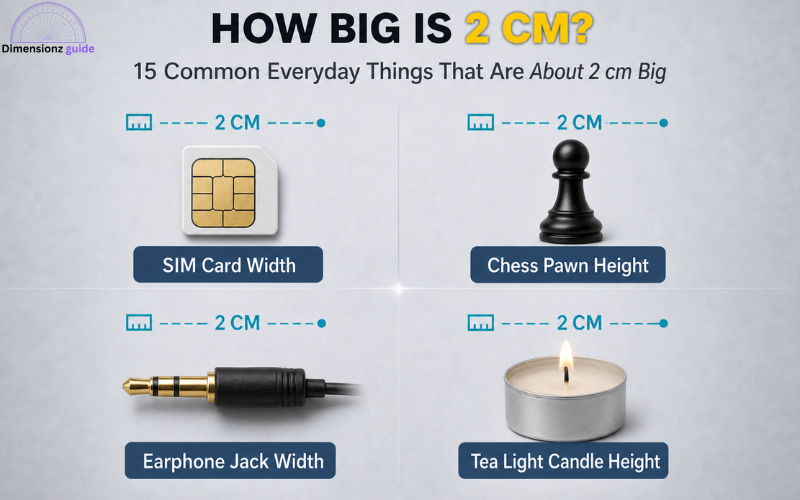
How big is 2 cm? 2 centimeters (cm) is equal to 0.79 inches or 20 millimeters. It is a small but noticeable measurement that appears in many everyday objects. Even though it is much smaller than larger measurements like 5 cm or 10 cm, it is still large enough to be clearly visible and easy to compare.
This measurement is commonly used in school work, product design, electronics, crafts, and household items. Since centimeters are widely used around the world, understanding how big 2 cm is can help you make better size estimates in daily life. In this guide, you will learn how to easily visualize 2 cm using practical examples and detailed comparisons.
How big is 2 cm? = 0.79 inches
2 cm in Different Units
To better understand this measurement, here is a quick conversion table:
| Unit | Value |
| Centimeters | 2 cm |
| Inches | 0.79 inches |
| Millimeters | 20 mm |
| Meters | 0.02 m |
This means 2 cm is slightly smaller than 1 inch, making it a compact but easy-to-notice size.
What Does 2 cm Look Like?
If you do not have a ruler nearby, you can still estimate 2 cm using simple everyday objects. It is close to the width of a large button, the size of some coins, or the width of an adult thumb.
Because it is a small measurement, people often underestimate it. However, once you compare it with familiar objects, it becomes much easier to recognize. Small measurements like 2 cm are important because they are commonly used in accurate sizing and product dimensions.
Why Understanding 2 cm Matters
Understanding measurements like 2 cm is useful in many real-life situations. Whether you are shopping online, doing crafts, measuring accessories, or checking product dimensions, knowing the approximate size helps you make better decisions.
Many small items such as buttons, electronics, keys, and stationery products are measured in centimeters. If you can quickly visualize 2 cm, you will find it easier to estimate the size of objects without using a ruler.
How Small Measurements Are Used in Daily Life
Small measurements play a very important role in everyday life. Many objects around you are carefully designed using exact centimeter dimensions. Even tiny differences in size can affect how products fit, work, or feel when used.
For example, electronic ports, clothing accessories, stationery items, and kitchen tools are often measured in centimeters. Understanding these measurements improves your ability to judge size accurately and helps avoid mistakes while buying products online.
Why Visual Comparisons Make Measurements Easier
Most people find it difficult to understand measurements by numbers alone. Saying “2 cm” may not immediately create a clear picture in the mind. That is why real-life comparisons are extremely useful.
When you compare measurements with objects you use every day, your brain quickly builds a stronger understanding of size. This makes it easier to estimate dimensions naturally without depending on rulers or measuring tapes all the time.
Related Post: 15 Common Everyday Things That Are About 1 cm Big
15 Real-Life Examples of 2 cm (Simple & Daily Use)
Understanding 2 cm becomes much easier when you compare it with everyday objects you already use. Since it is a small measurement, these real-life comparisons help you quickly visualize the size without needing a ruler. By using familiar objects, you can naturally understand how big 2 cm really is in daily life.
1. SIM Card Width
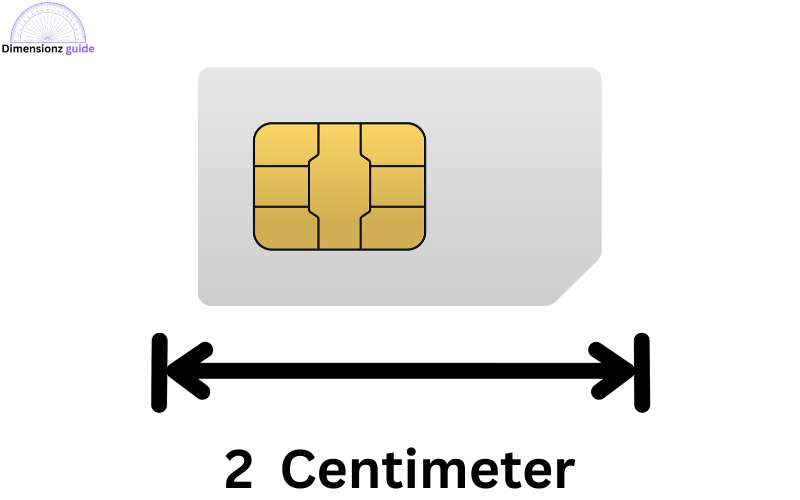
The width of a standard SIM card is close to 2 cm. Since SIM cards are used in smartphones and tablets, this is a modern everyday example. Their small rectangular shape makes them easy to compare visually. This helps in understanding compact measurements more clearly.
2. Chess Pawn Height
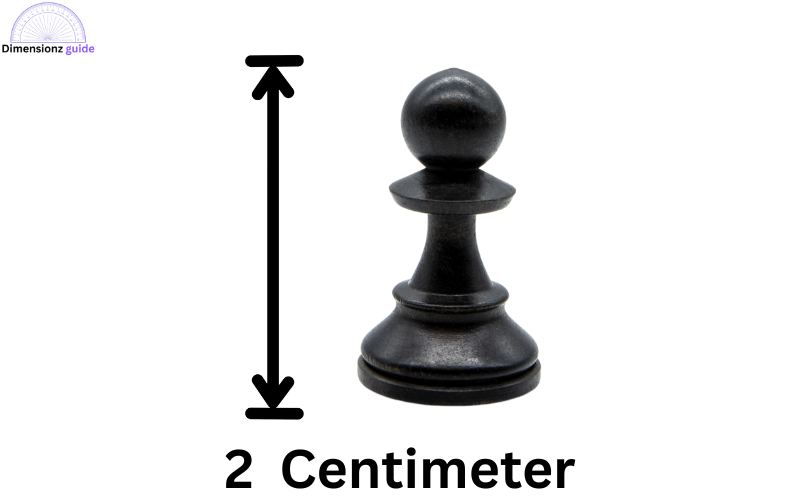
A small chess pawn can measure around 2 cm in height. Chess pieces are easy to recognize because of their simple shape. Their compact size makes them useful for understanding small measurements. This is a practical comparison object.
3. Earphone Jack Width
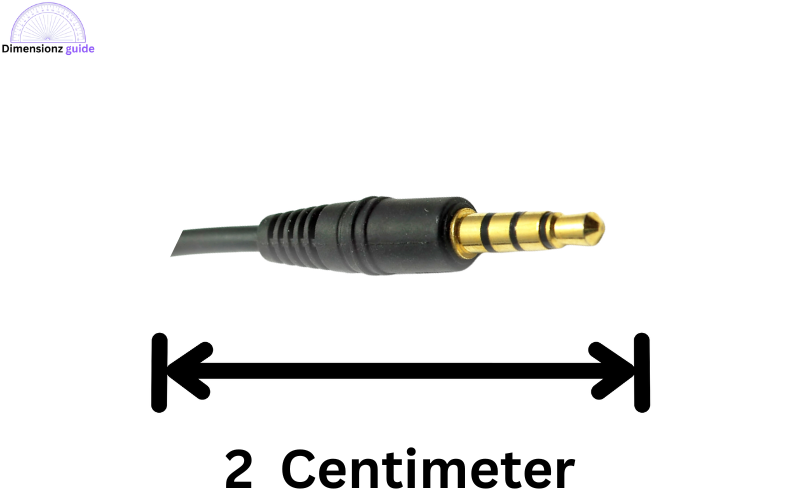
The width of some earphone jack sections can be close to 2 cm. These are commonly used with phones, laptops, and gaming devices. Their size is easy to observe during daily use. This makes them a relatable modern example.
4. Tea Light Candle Height
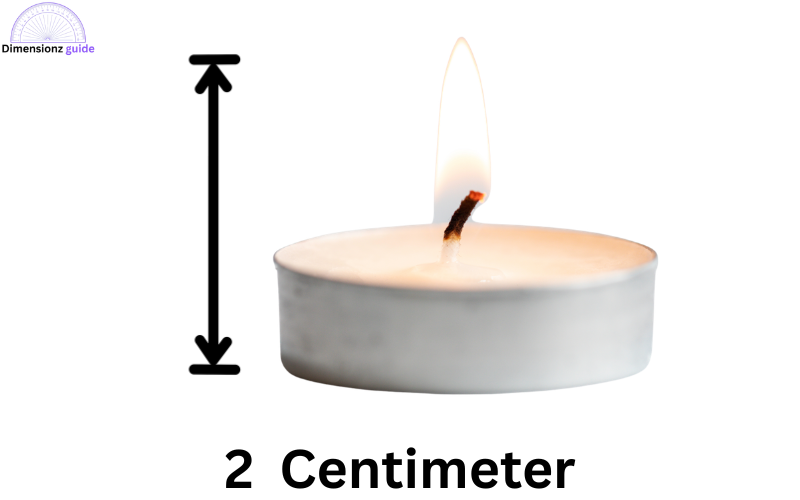
A small tea light candle often measures around 2 cm in height. These candles are commonly used in homes and decorations. Their compact circular shape makes comparison easy. This helps users visualize small measurements naturally.
5. Padlock Key Head Width
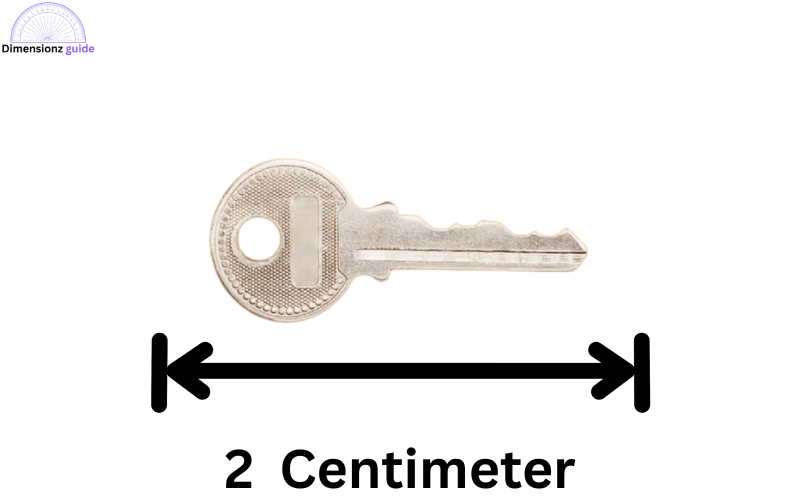
The head portion of a small padlock key can measure close to 2 cm across. Keys are used daily, making this a familiar object. Their size is easy to compare visually with other items. This makes them a practical example.
6. Stapler Button Width
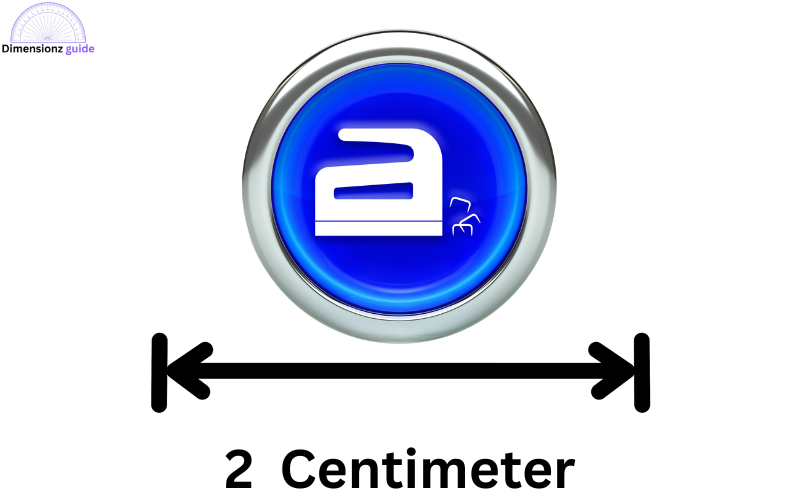
The top pressing button area of a mini stapler can be around 2 cm wide. Staplers are commonly used in offices and schools. Their compact size helps users understand small dimensions better. This makes them a useful comparison object.
7. Small Crayon Length Tip Section
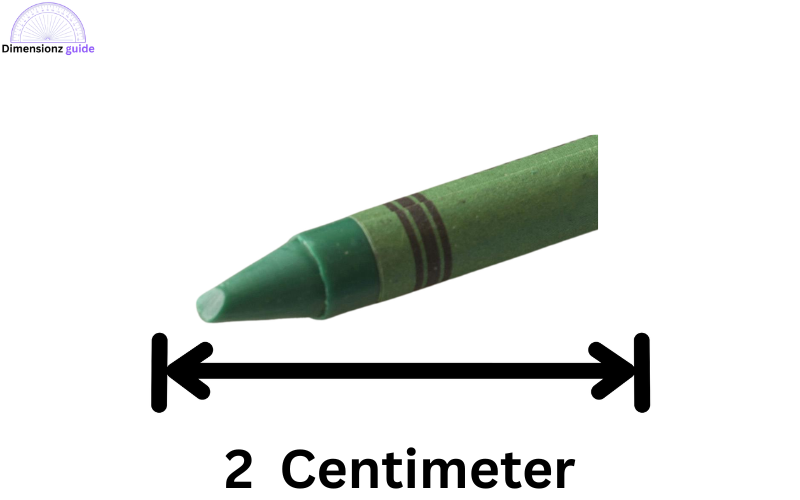
The tip section of a small crayon can measure close to 2 cm. Crayons are commonly used by children for coloring and drawing. Their colorful appearance makes them easy to recognize. This helps in simple size estimation.
8. Ring Diameter (Large Size)
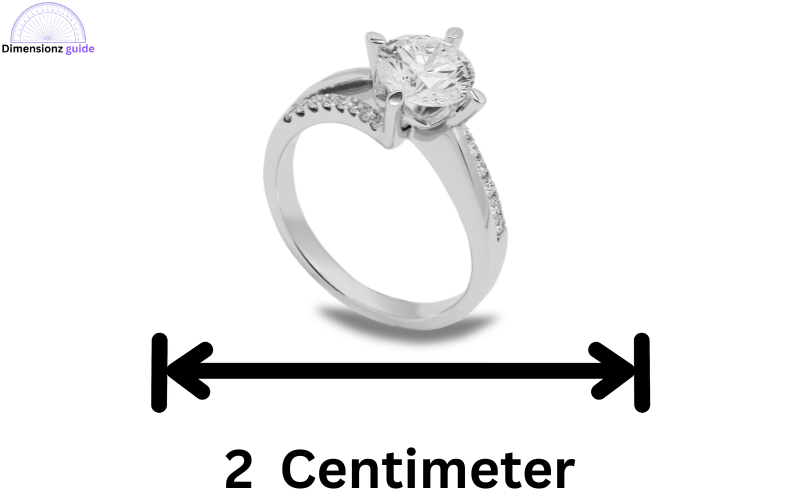
A larger finger ring can have a diameter around 2 cm. Rings are worn daily and are easy to identify. Their circular shape helps in understanding measurements clearly. This makes them a relatable example.
9. Camera Button Width
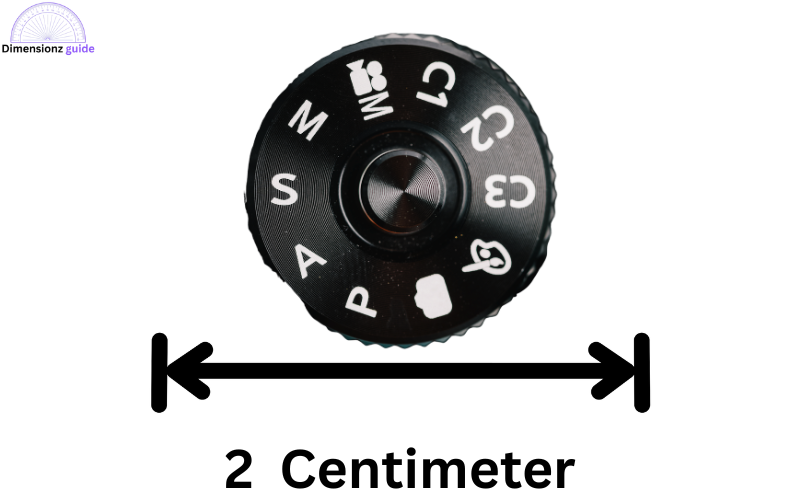
The width of a camera shutter button on some devices can be close to 2 cm. Cameras and smartphones are used daily, making this a modern reference. Their compact design helps in visual comparison. This improves measurement understanding.
10. Small Soap Thickness
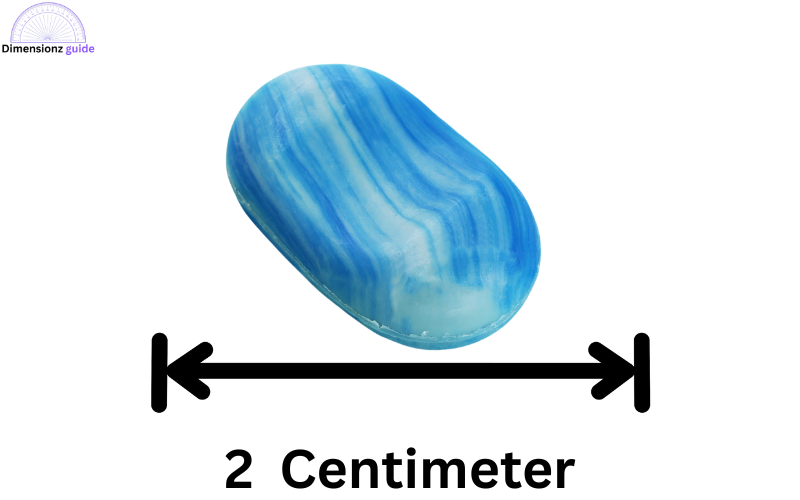
The thickness of a travel-size soap bar can measure around 2 cm. Soap is used every day in homes, making it a familiar item. Its rectangular shape makes comparison easy. This is a practical household example.
11. Highlighter Marker Width
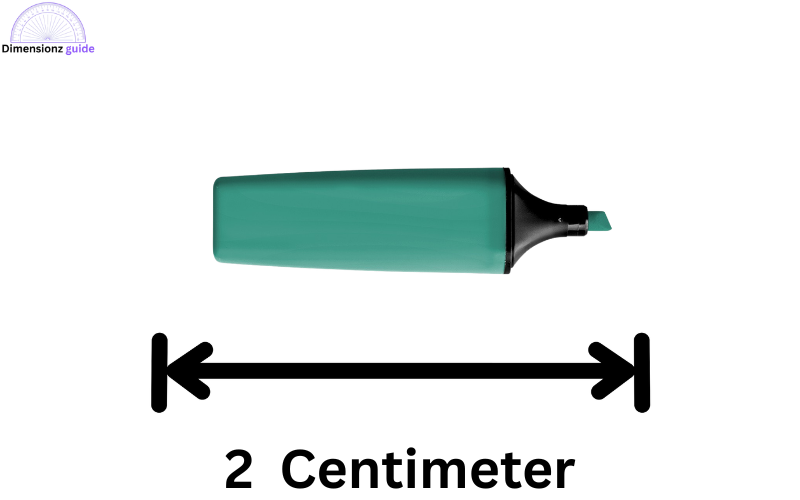
The width of a thick highlighter marker can be close to 2 cm. These are commonly used in schools and offices for highlighting text. Their bright color and shape make them easy to recognize. This helps in visualizing measurements quickly.
12. Door Lock Knob Thickness
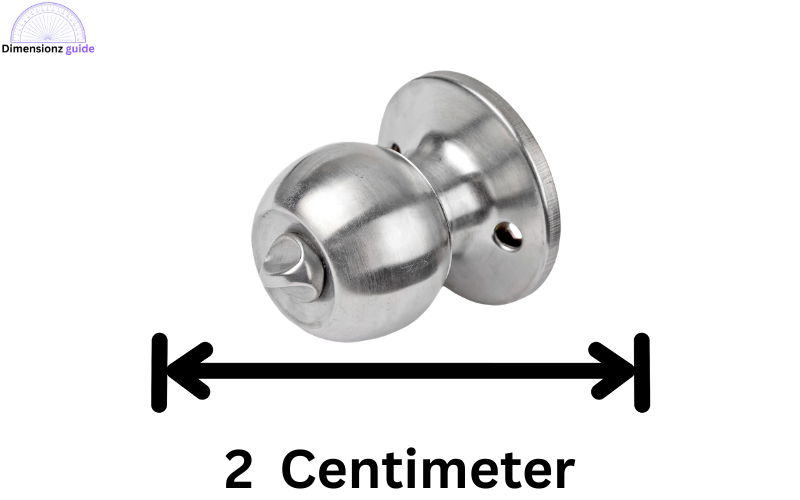
The thickness of some small door lock knobs can measure around 2 cm. These are used daily in homes and offices. Their size is easy to compare while using them. This makes them a practical reference object.
13. Toy Building Block Width
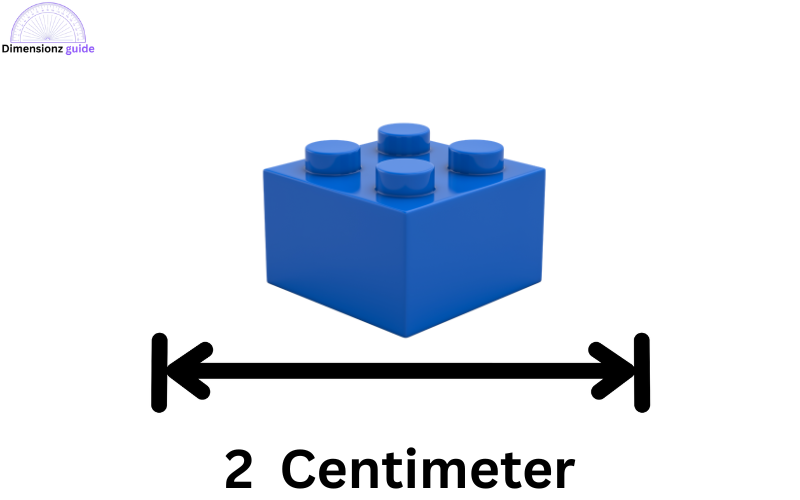
The width of a small toy building block can be around 2 cm. These toys are commonly used by children and are easy to identify. Their square shape helps in understanding dimensions clearly. This is a simple and relatable example.
14. Compact Mirror Edge Width
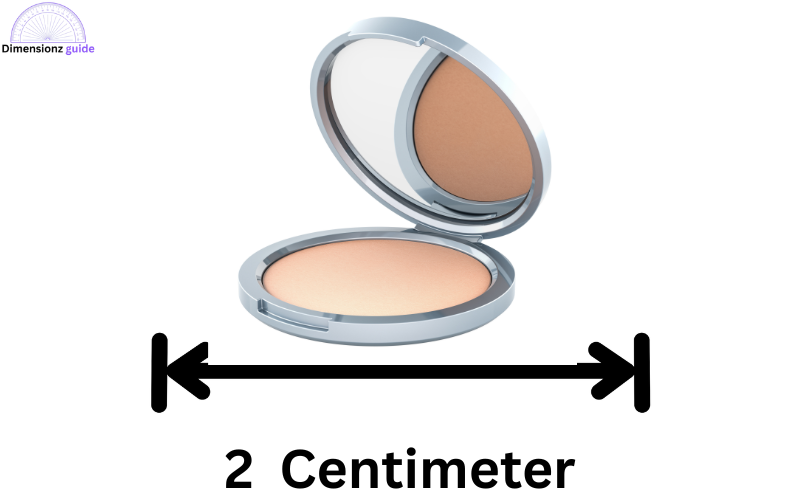
The edge section of a compact makeup mirror can measure close to 2 cm. These mirrors are often carried in bags and used daily. Their size is easy to observe and compare. This makes them a modern everyday object.
15. Battery Terminal Width
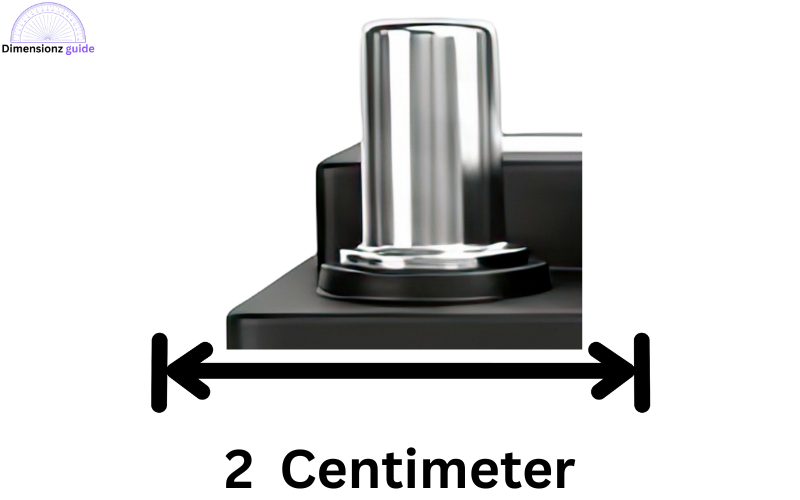
The top terminal width of some small batteries can be around 2 cm. Batteries are used in many household devices and electronics. Their size is easy to recognize during use. This makes them a useful real-life example.
2 cm in Daily Life
The measurement of 2 cm appears in many daily situations. It is commonly used in electronics, stationery items, accessories, clothing products, and household tools. Because it is small but clearly visible, it is ideal for measuring compact objects.
This makes 2 cm one of the most practical small measurements used in everyday life.
Visualizing 2 cm Without a Ruler
You do not always need a ruler to estimate 2 cm. By using familiar objects like bottle caps, coins, or your thumb width, you can quickly understand this measurement.
With regular practice, your brain becomes trained to recognize small measurements naturally. Over time, estimating 2 cm becomes much easier and more accurate.
Common Mistakes When Estimating 2 cm
One common mistake is confusing centimeters with inches. Since inches are larger, people sometimes assume 2 cm is much bigger than it actually is. Another mistake is underestimating small measurements because they seem insignificant.
Using real-life comparisons helps avoid these mistakes and improves your understanding of size differences.
2 cm Compared to Other Measurements
To better understand 2 cm:
- 1 cm: very small
- 2 cm: small but noticeable
- 5 cm: medium small
- 10 cm: much larger
This comparison helps you clearly understand how measurements increase step by step.
How 2 cm Is Used in Product Design
Many products are carefully designed using centimeter measurements. 2 cm is often used for buttons, ports, accessories, and compact electronic parts.
This size is large enough to be practical but still small enough for compact product designs. That is why it appears in many everyday items.
Importance of Accurate Measurement
Accurate measurement is important in many daily tasks. Even small differences can affect how products fit or function.
Knowing how big 2 cm is helps improve precision and reduces mistakes when estimating object sizes.
Improving Measurement Skills
With regular practice, estimating measurements like 2 cm becomes much easier. Comparing objects around you helps train your eyes to recognize small differences in size.
Over time, you will be able to estimate measurements naturally without using tools.
If you find this helpful and want more free guides like this then here we have more for you:
- 15 Common Everyday Things That Are About 1 cm Big
- 15 Common Everyday Things That Are About 2 Inches Long
- 15 Common Everyday Things That Are About 3 Inches Long
- 15 Common Everyday Things That Are About 4 Inches Long
- 15 Common Everyday Things That Are About 5 Inches Long
FAQs
What is 2 cm in inches?
2 cm equals 0.79 inches
Is 2 cm big or small?
It is considered a small measurement
How can I measure 2 cm without a ruler?
You can compare it with bottle caps, coins, or your thumb width
Is 2 cm common in daily life?
Yes, it is widely used in many everyday objects
What objects are about 2 cm in size?
Examples include bottle caps, buttons, dice, and coins
Related Post: 15 Common Everyday Things That Are About 9 Inches Long
Conclusion
So, how big is 2 cm?
It is a small measurement equal to 0.79 inches or 20 millimeters. Even though it is compact, it appears in many everyday objects that you use regularly.
By using simple references like bottle caps, coins, or your thumb, you can easily understand and estimate this size without needing a ruler.