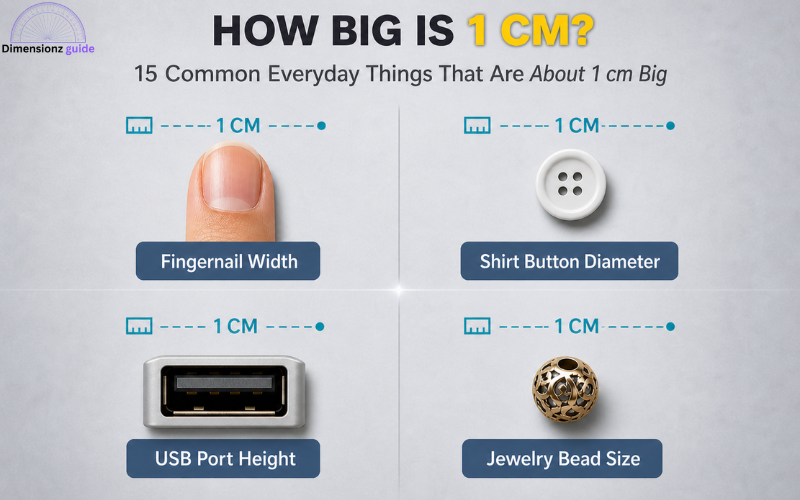
How big is 1 cm? 1 centimeter (cm) is equal to 0.39 inches or 10 millimeters. It is a very small unit of length, roughly the width of a fingernail or the thickness of a small object. Even though it is small, 1 cm is widely used in everyday measurements.
This size appears in many daily situations like measuring small objects, school work, crafts, and product dimensions. In this guide, you will learn how to easily understand and visualize 1 cm using simple real-life examples.
How big is 1 cm? = 0.39 inches
1 cm in Different Units
To clearly understand this measurement, here is a quick conversion:
| Unit | Value |
| Centimeters | 1 cm |
| Inches | 0.39 inches |
| Millimeters | 10 mm |
| Meters | 0.01 m |
This shows that 1 cm is a very small but precise measurement used in daily life.
What Does 1 cm Look Like?
If you don’t have a ruler, you can still estimate 1 cm using common objects. It is about the width of a small fingernail or the thickness of a standard pen.
Because it is such a small size, it is often used for measuring fine details. Once you start comparing it with everyday objects, it becomes easier to recognize. For much better guide see our exact dimensionz 1 cm guide.
Why Understanding 1 cm Matters
Understanding small measurements like 1 cm is important because they are used in many tasks. From school work to crafting and measuring small items, this unit helps you be precise.
Many product sizes, especially small items, are measured in centimeters. Knowing how big 1 cm is helps you better understand dimensions and avoid mistakes.
Related Post: 15 Common Everyday Things That Are About 2 cm Big
15 Real-Life Examples of 1 cm (Simple & Daily Use)
Understanding 1 cm becomes much easier when you compare it with real-life objects you see every day. Since it is a very small measurement, these examples help you clearly visualize its size without using a ruler. By using these comparisons, you can quickly build a strong and accurate sense of how big 1 cm really is in practical situations.
1. Fingernail Width
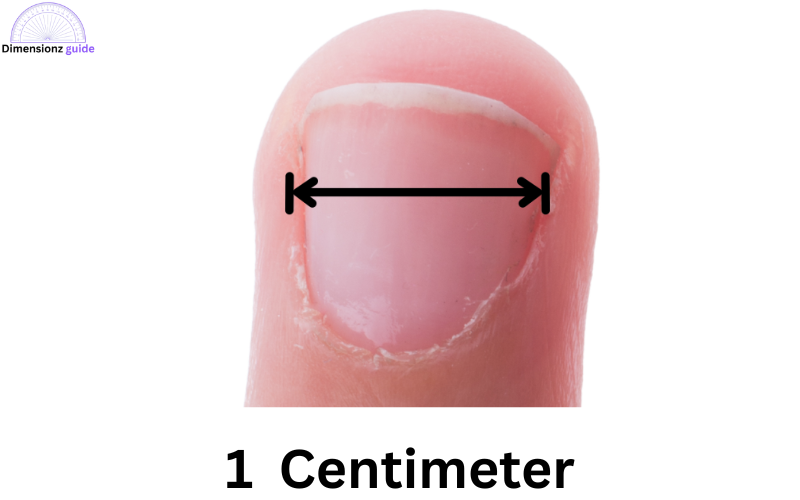
The width of an average adult fingernail is very close to 1 cm, making it one of the easiest references. Since you see and use your hands every day, this comparison is always available. It provides a quick and natural way to estimate small measurements. This makes it one of the most reliable real-life examples.
2. Standard Pencil Thickness
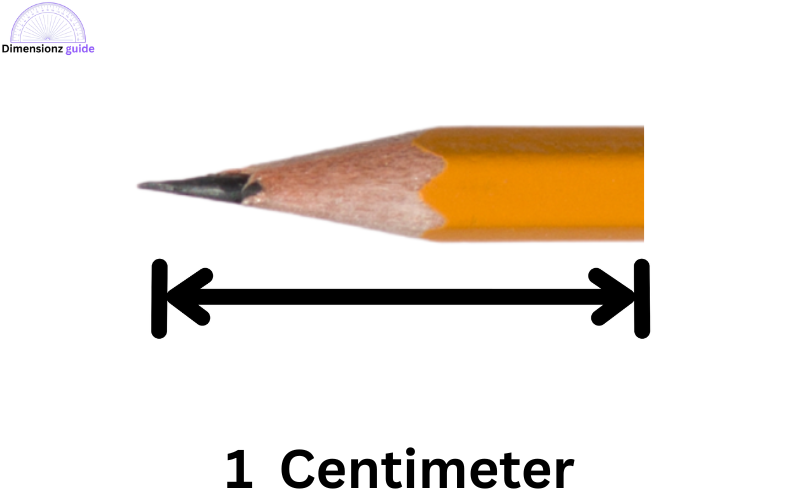
A regular wooden pencil has a thickness that is close to 1 cm in diameter. Because pencils are commonly used in schools, offices, and homes, this makes them a familiar object. Their round and solid shape allows easy comparison with other small items. This helps you quickly judge similar sizes without tools.
3. Stapler Pin Length
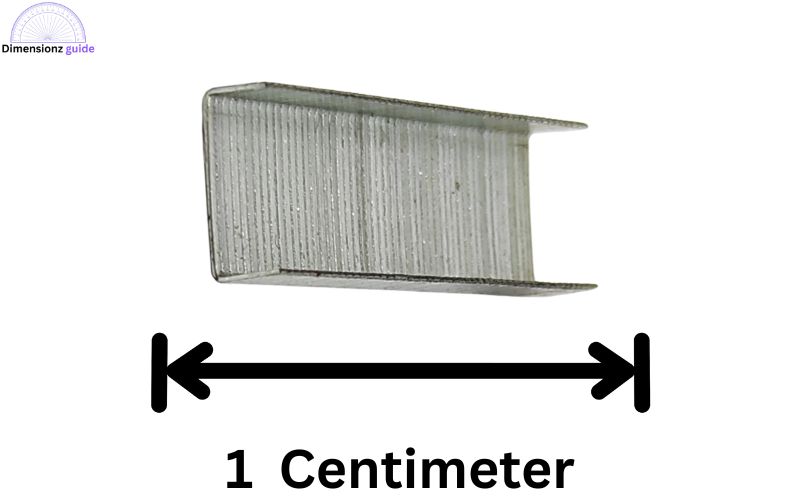
A small stapler pin is often close to 1 cm in length, especially when viewed carefully. These are widely used for organizing papers in offices and schools. Their tiny size makes them perfect for understanding very small measurements. This example helps improve attention to detail.
4. Small Eraser Thickness
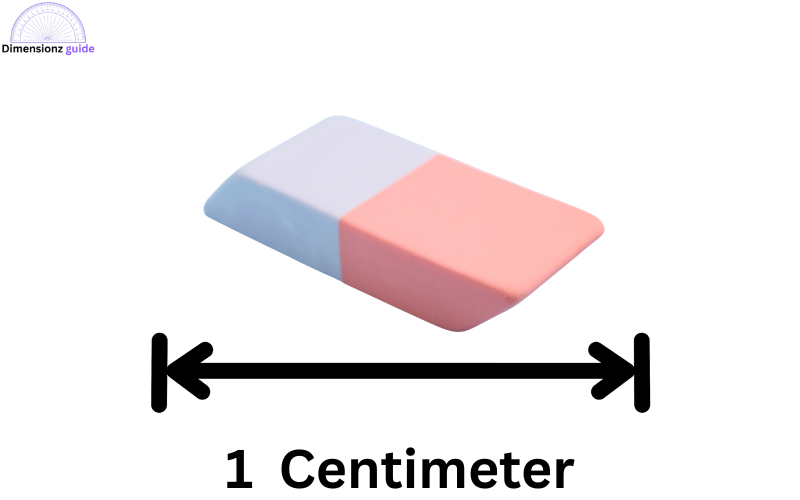
The thickness of a small eraser is usually around 1 cm, depending on its design. Erasers are part of daily school and office supplies, making them easy to find. Their rectangular shape helps in clear visual comparison. This makes them a practical and relatable example.
5. Shirt Button Diameter
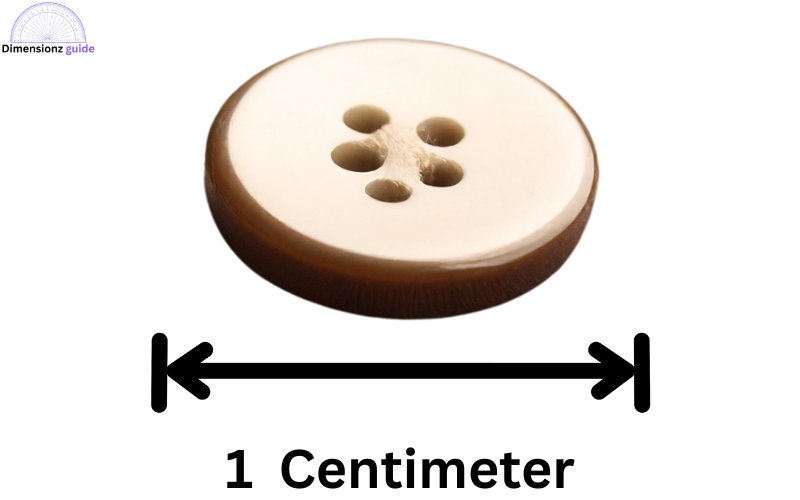
A standard small shirt button often measures about 1 cm across. Buttons are found on everyday clothing, so this is a very familiar object. Their round shape makes size comparison simple and clear. This helps in understanding circular measurements easily.
6. USB Port Height
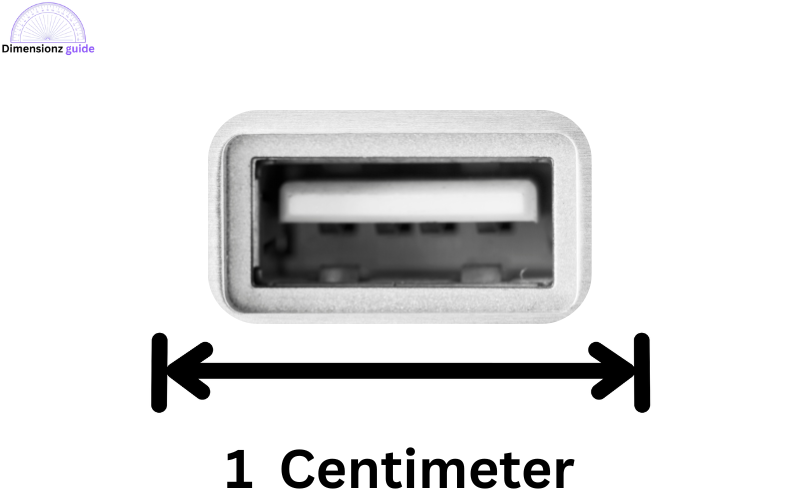
The height of a typical USB port is close to 1 cm. Since these are used daily with laptops, chargers, and other devices, this is a modern reference. Even though it is small, it is clearly visible. This makes it a useful real-life comparison.
7. Pen Cap Thickness
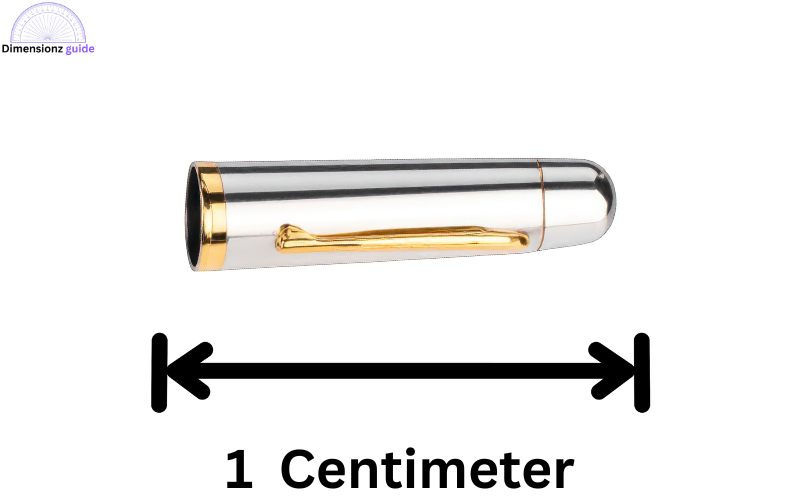
The thickness of a standard pen cap is often around 1 cm. Pens are used daily for writing, making this a common object. You can easily compare the cap with other small items. This helps in building a better understanding of small sizes.
8. Coin Thickness (Stacked or Edge View)
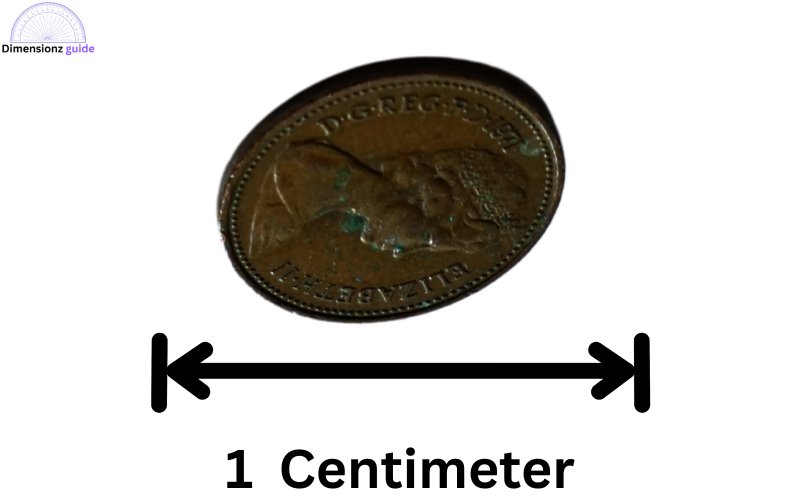
While a single coin may be thinner, stacking a few coins or viewing them edge-to-edge can show a thickness close to 1 cm. Coins are used in daily transactions, making them a familiar reference. Their solid shape helps in accurate comparison. This improves size estimation.
9. House Key Thickness
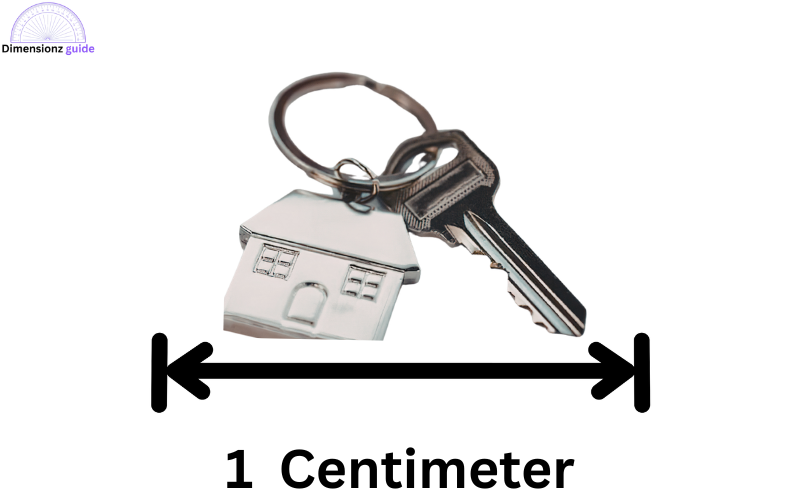
The thickness of a standard house key is often close to 1 cm when including its head portion. Keys are used every day, making them easy to recognize. Their size is simple to compare with other objects. This makes them a practical example.
10. Lip Balm Stick Diameter
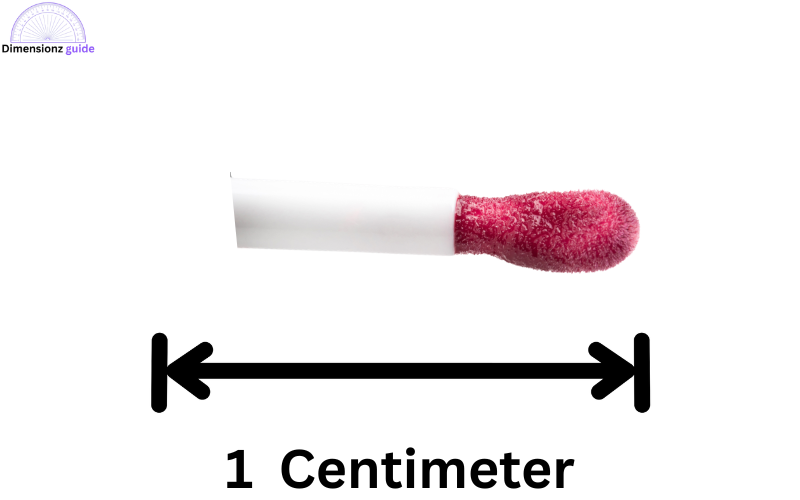
A lip balm stick typically has a diameter close to 1 cm. These are used for personal care and are easy to carry. Their compact cylindrical shape makes comparison simple. This is a modern and relatable example.
11. Charging Cable Thickness (Bundled)
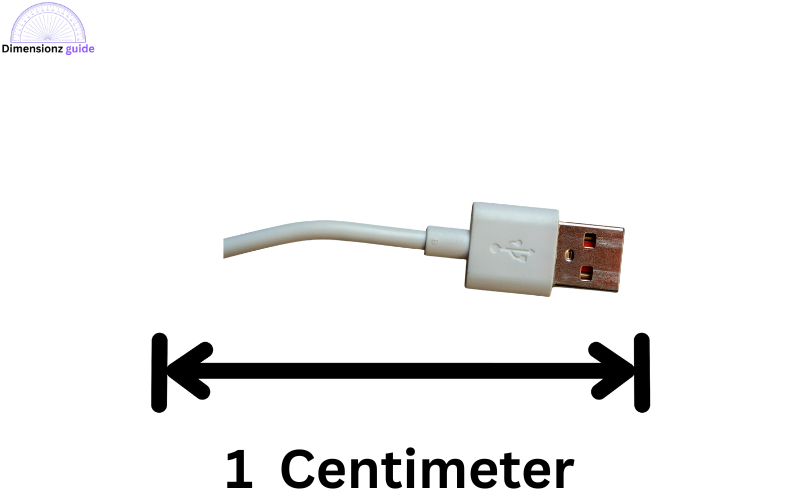
A charging cable, when slightly bundled or grouped, can measure close to 1 cm in thickness. Since cables are used daily, this is a common reference. Their flexible shape still allows easy comparison. This makes them useful for estimation.
12. Jewelry Bead Size
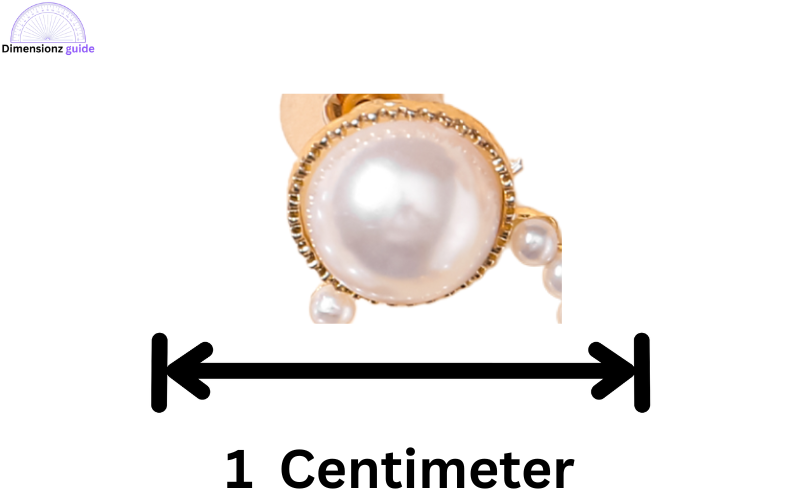
A medium-sized bead used in jewelry making can measure around 1 cm. These are commonly used in crafts and accessories. Their size is easy to observe and compare. This makes them a simple and clear example.
13. Toothpaste Tube Opening
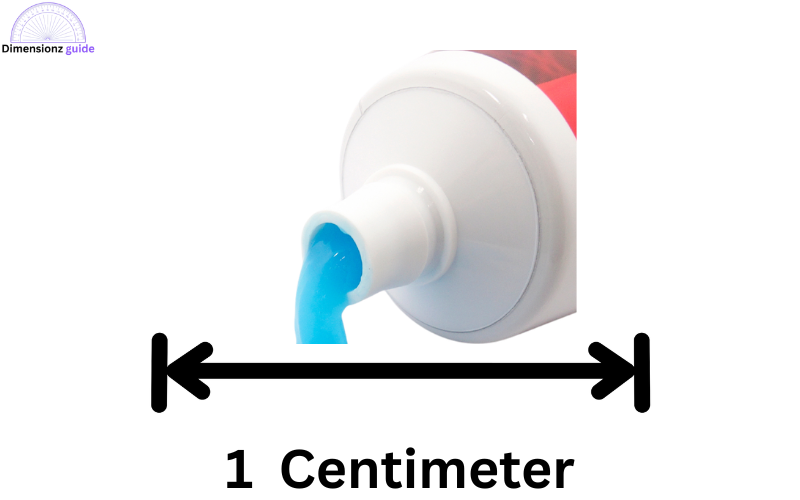
The opening of a toothpaste tube is often close to 1 cm wide. Since toothpaste is used daily, this is a very familiar reference. Its circular shape helps in visualizing the size. This makes it an easy example.
14. Dice Dot Size
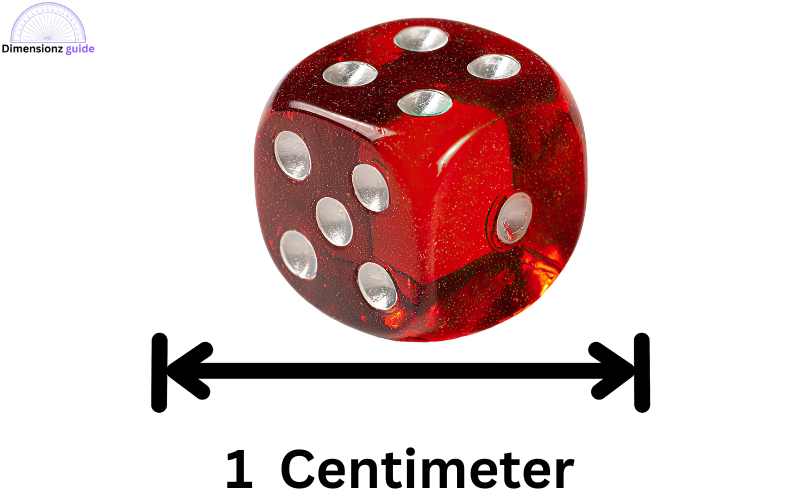
The dots on a standard dice can be around 1 cm in diameter. Dice are used in games, making them easy to recognize. Their small but visible size helps in understanding fine measurements. This makes it a simple reference.
15. Paper Clip Width
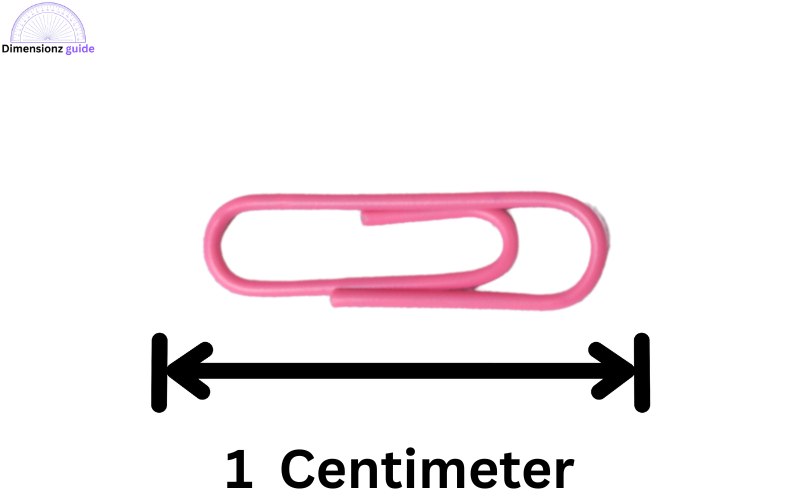
The width of a standard paper clip is often close to 1 cm. These are commonly used in offices and schools. Their thin metal shape makes comparison easy. This helps in understanding narrow measurements clearly.
1 cm in Daily Life
The measurement of 1 cm appears in many daily situations. It is used for measuring small objects, crafting, and precise tasks. Many small items are designed around this size.
Because it is a small unit, it helps in making accurate measurements.
Visualizing 1 cm Without a Ruler
You don’t always need a ruler to estimate 1 cm. By using objects like your fingernail or a pencil, you can quickly understand this size.
With practice, you will become better at recognizing small measurements.
Common Mistakes When Estimating 1 cm
One common mistake is overestimating the size and thinking it is larger than it actually is. Another mistake is confusing centimeters with inches.
Using real-life examples helps improve accuracy and avoid these mistakes.
1 cm Compared to Other Measurements
To better understand 1 cm:
This comparison helps you clearly understand the size difference.
How 1 cm Is Used in Product Design
Many small products are designed using centimeter measurements. 1 cm is often used for small parts and details.
This helps ensure accuracy and proper fit in product design.
Importance of Accurate Measurement
Accurate measurement is very important, especially for small sizes. Even a small error can make a big difference.
Knowing how big 1 cm is helps improve precision in daily tasks.
Improving Measurement Skills
With practice, you can easily learn to estimate 1 cm. The more you compare objects, the better your understanding becomes.
Over time, you will be able to estimate small sizes quickly.
If you find this helpful and want more free guides like this then here we have more for you:
- 15 Common Everyday Things That Are About 2 cm Big
- 15 Common Everyday Things That Are About 3 cm Big
- 15 Common Everyday Things That Are About 4 cm Big
- 15 Common Everyday Things That Are About 5 cm Big
- 15 Common Everyday Things That Are About 6 cm Big
FAQs
What is 1 cm in inches?
1 cm equals 0.39 inches
Is 1 cm big or small?
It is a very small measurement
How can I measure 1 cm without a ruler?
You can use your fingernail or a pencil thickness
Is 1 cm common in daily life?
Yes, it is widely used for small measurements
What objects are about 1 cm in size?
Examples include fingernails, buttons, and small tools
Related Post: 15 Common Everyday Things That Are About 3 cm Big
Conclusion
So, how big is 1 cm?
It is a very small measurement equal to 0.39 inches or 10 millimeters. It appears in many small everyday objects that you use regularly.
By using simple references like your fingernail or a pencil, you can easily understand and estimate this size without a ruler.