
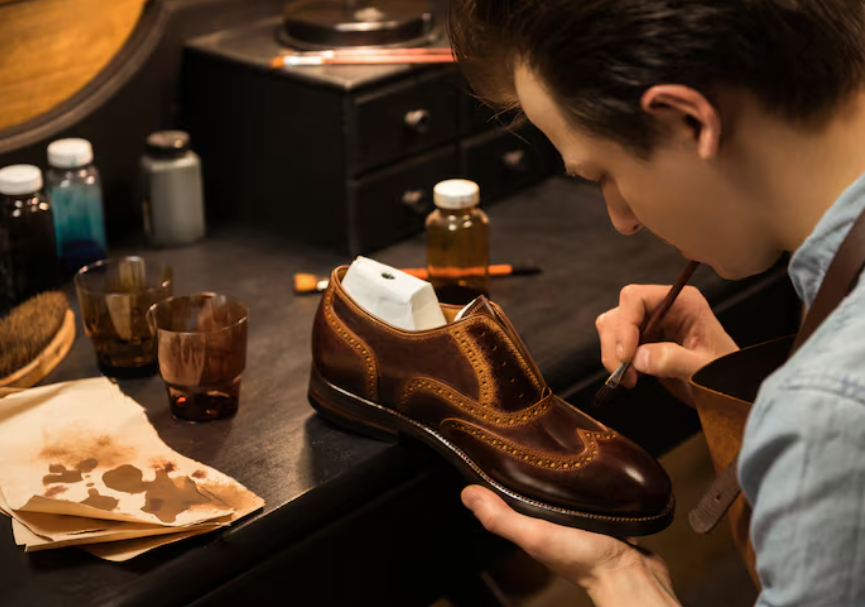
Caleb begins examining hermes sneakers with a preference he can explain but a purchase he has yet to justify. A striking sole might draw him to a product page; the decision becomes harder when he considers instep pressure, the width of his trousers, or the work involved in caring for mixed materials. His approach is a way of organizing questions, not a claim that he has personally tested each model. It leaves room for personal taste while giving practical details their proper weight. Different sneaker designs provide useful examples of how varied luxury footwear can look before fit enters the conversation.
1. Why the First Impression Is Only a Starting Place
A sneaker can communicate a great deal in a side photograph. The length of the toe, the thickness of the sole, and a piece of hardware may create an immediate preference. That first reaction helps Caleb understand which design details matter most to him.
When reviewing hermes men shoes, he identifies one feature that has caught his attention, then looks for it from other angles. A pronounced outsole can appear compact from above. A restrained side profile may turn out to have a broad toe. Those details change the way a pair will look when worn.
Cropped trousers, carefully arranged laces and studio lighting can also influence a shoe’s appearance. Everyday clothing may reveal proportions that were less obvious in a product photograph.
The first impression still matters. It provides a useful starting place for deciding which designs deserve closer attention.
2. Reading a Photograph Like a Buyer
Product images answer different questions depending on the angle. A side view shows overall proportion. An overhead view makes the toe and lacing arrangement easier to judge. From behind, the collar height and heel construction come into focus. Looking at all three gives a more complete picture of the sneaker’s external geometry.
On-foot photographs are especially informative when available. The same shoe can look longer or bulkier once worn, particularly beside trousers of a different width. It is also worth checking whether an image shows the entire silhouette or crops away the sole edge.
Movement remains the unresolved question. A photograph may suggest where an upper bends; the sensation of that bend belongs to a fitting. Images help determine what deserves investigation, while fit decides which candidates remain under consideration.
3. What the Construction Details Actually Tell You
A neat join between the upper and outsole attracts attention, yet the practical questions begin just beyond the finish. What materials meet at that join? Where are overlays positioned? Is a visible stitch functional, decorative, or impossible to classify from the listing?
Consider the area across the forefoot. Panels that cross a common bending zone may affect the way the upper moves; their influence depends on the material and construction. The same inspection around the heel can reveal how much of the rear is covered by additional pieces.
A closer examination of hermes shoes for men begins with the stated upper and lining materials. Caleb checks those specifications against the product images, looking for details that deserve further attention. If a description identifies leather and textile but leaves the lining unspecified, he treats that as an unanswered question rather than drawing a conclusion from the photograph.
These observations help him decide what to ask during a fitting or when contacting a seller.
4. Examining the Outsole From the Ground Up
A low camera angle exaggerates the drama of some soles. An underside view is usually more revealing. Look for the contact areas, the direction of tread grooves, and the transition from heel to forefoot. Together, these elements help explain what to inspect when trying the sneaker.
Next provides a particularly interesting example. Its oversized graphic sole creates a substantial visual base, while topstitched details contribute to the design. Selected versions use suede calfskin, and others feature different leather finishes. The contrast between the upper and enlarged outsole gives buyers a useful reason to examine the shoe from multiple angles.
A substantial sole can affect how the sneaker looks beneath straight or wider trousers. That visual effect is separate from cushioning, however. Material composition and construction contribute to how the shoe responds underfoot.
Someone walking mostly on pavements has different needs from a person whose shoes spend much of the day indoors. Examining sole design alongside ordinary walking surfaces makes the discussion more useful than relying on appearance alone.
5. Bouncing, Day, and Jet: Three Distinct Design Directions
The three model families offer more variety than a generic discussion of luxury sneakers. Bouncing has an overtly sporty visual language. Certain versions combine technical twill and sport goatskin, placing textile and leather beside a graphic sole and upper treatment. That combination creates several contrasting textures and potentially different surfaces to maintain.
Day draws attention higher on the foot. On versions featuring the Kelly buckle, hardware becomes the most recognizable element. The effect differs from the athletic emphasis of Bouncing, and it may appeal to someone who enjoys a distinctive fastening detail as part of an otherwise familiar sneaker silhouette.
Jet offers another interpretation. Selected versions pair crochet knit with Nappa leather and incorporate the angled H motif. The retro references are visible, although the precise materials should be checked for the version under consideration.
These distinctions make hermes men sneakers worth examining by individual model and variant. Caleb begins with the design character he prefers, then studies the upper, fastening and sole details. The choice eventually comes down to which combination suits his intended use and fits his feet.
6. Bring an Ordinary Week Into the Fitting Room
Caleb imagines a routine day before choosing candidates. There is a commute, perhaps a flight of stairs, time seated at a desk, and a walk at lunch. A weekend gathering may also matter, although it occupies fewer hours than the weekday journey.
That mental itinerary tells him what to test. Someone on their feet for long stretches should allow more time to assess pressure and heel movement. For mostly indoor use, the feel of the sole on a smooth surface may deserve closer attention.
Socks make a practical difference. Using the pair normally worn with sneakers provides a more representative fitting. Unusually thin socks can change the amount of space around the foot and influence how securely the upper feels when laced.
7. The Fit Details Worth Checking Twice
Two people with the same foot length may need different fits. Forefoot width, instep height and heel volume affect how a sneaker sits, while one person’s left and right feet may vary slightly. The size label alone leaves these questions open.
During a fitting, stand normally before walking. Check the room ahead of the longest toe, then notice any concentrated pressure across the instep. When the heel rises, it should not slide excessively. A few turns and several steps at an ordinary pace reveal more than a quick pose in front of a mirror.
When considering hermes men shoes, Caleb separates the design he wants to investigate from the sizing information he still needs. A broader collection view, such as https://www.aomzi.com/products/hermes-men-shoes, can help identify different sneaker models before their individual specifications are examined.
Buying remotely calls for an additional check: the measurement advice and the terms under which an unworn pair may be returned. If a question about fit remains unanswered, asking about the exact model is more useful than relying on a familiar size number.
8. Why the Placement of Materials Matters
A material list tells you what a shoe contains. Its arrangement tells a different story. Smooth leather at the toe, textile along the sides and a contrasting overlay near the laces produce a particular pattern of texture and potential contact areas.
Pay attention to boundaries where one material ends and another begins. An overlay positioned near a frequently flexing section may be worth inspecting closely during a fitting. A delicate surface near areas that regularly brush against trousers may warrant more care.
Different versions of a named design can use different combinations. The model family gives a buyer a starting direction; the specific product reference supplies the materials to evaluate.
A buyer may appreciate the contrast of knit and leather while wondering what each surface requires. Examining the upper’s arrangement first makes it easier to understand which materials will need attention during regular use.
9. What Versatility Looks Like in a Real Wardrobe
The word versatile becomes meaningful only beside actual clothes. Try imagining a candidate with three pairs of trousers already owned: one with a narrow opening, another cut straight, and a third with a fuller hem. The shoe’s apparent size can change considerably between them.
Master introduces a useful contrast to sneakers built around prominent outsoles. Its thin sole and retro-minimalist direction produce a more understated profile. Certain versions use suede goatskin, while others feature supple calfskin. The restrained sole design makes Master an interesting candidate for buyers who prefer less visual weight around the foot.
For someone weighing hermes sneakers for men, the relationship between shoe profile and trouser width deserves attention. A thin-soled design can create a different visual balance from a sneaker built around an oversized sole. Neither approach is universally more versatile; the answer depends on the clothing and occasions involved.
A distinctive sneaker worn occasionally may be exactly right. A daily pair has a harder assignment: it should cooperate with more of the wardrobe without requiring a special outfit every time.
10. Why Similar Silhouettes Can Fit Differently
Start at the laces. Their spacing determines where the upper can be tightened and where adjustment is more restricted. On a high instep, pressure may concentrate beneath the central section of the lacing rather than near the toe.
Next is the tongue. Its thickness, width and placement influence what the foot feels when the laces are secured. A tongue that shifts sideways can change the distribution of pressure during walking, even when the shoe looked properly centered at first.
The collar deserves a separate look. Padding may feel pleasant on first contact, but its position matters. Check for rubbing around the ankle and for heel movement once the foot starts to rise.
Finally, walk far enough to notice where the forefoot bends. If the upper folds directly against an uncomfortable area, adjusting the laces might help—or it might reveal that this design is unsuitable for the foot.
These observations give a buyer useful language for describing a problem: pressure over the instep, heel lift, or a crease across the forefoot. Specific observations are easier to explain to a fitting specialist than a general statement that a shoe feels wrong.
11. The Smaller Details That Alter Proportion
A long-looking toe can make a sneaker appear sleeker. A broad front tends to read differently beneath a trouser hem, even when two designs share a similar sole height. These are visual judgments rather than clues to internal width.
Match offers an example of how a recognizable motif can become part of the upper’s design. Certain versions combine H canvas and calfskin with a perforated H en Biais detail, creating a retro-inspired appearance. The arrangement draws attention to the surface of the shoe without depending on oversized hardware.
This treatment differs from the prominent buckle used on selected Day versions or the graphic details associated with other designs. It gives buyers another feature to consider when judging how decorative elements interact with the sneaker’s proportions.
Caleb revisits hermes men shoes from a different perspective, checking how those details appear when the sneakers are paired with everyday clothing. A feature admired at close range may become more subtle—or more conspicuous—when viewed as part of an outfit.
12. Getting Specific Answers Before Ordering Online
When the product page leaves a question unresolved, save the exact reference before contacting a seller. A model name by itself may identify a family rather than the particular construction being offered. Material combinations and details can differ between variants.
The strongest questions are narrow. Is the lining leather or textile? What size guidance applies to this exact version? Are there photographs showing the heel and underside? Can the insole be removed, if that matters to the buyer? Each answer reduces a different kind of uncertainty.
The order should specify the exact variant, with any sizing advice documented. If a return becomes necessary, it helps to know the permitted condition of the shoes, the window for requesting a return, and who handles the shipping arrangements.
A seller who can answer these questions clearly provides more useful purchasing information than another paragraph of broad adjectives. The checklist turns online shopping into a manageable sequence of verifications.
13. Reading Wear Without Jumping to Conclusions
After repeated wear, the sole begins to show where it contacts the ground most. The outside rear corner may become smoother first; the forefoot may develop another pattern. Photographs taken at intervals can reveal how those areas change, particularly when the number and type of outings are roughly known.
The upper has its own record. Creases near the natural bend of the foot differ from abrasion caused by rubbing against an external surface. Along a join between materials, the relevant observation is whether the finish changes and whether anything begins to lift or separate.
For hermes men sneakers, the exact combination of leather, textile or knit helps determine which surfaces to examine. One version’s wear marks do not establish the expected life of another. Rain exposure, walking surfaces, rotation between pairs and cleaning habits all affect the picture.
An exact lifespan in months or miles requires reliable use data. Dated photographs paired with a description of ordinary wear tell more than broad durability promises.
14. Care Starts With the Actual Upper
The care plan for a mixed-material sneaker should begin with the manufacturer’s instructions for that version. Smooth leather, suede and woven textile may respond differently to moisture, brushes and cleaning products. Treating the entire upper the same way risks damaging the most sensitive section.
Regular inspection is less demanding than a major cleaning session. Dust collects along seams and around the laces; light marks gather at the rubber edge. Addressing those areas carefully, using suitable methods, can keep small issues from accumulating.
Storage deserves its own routine. Allow shoes to dry as their materials require, protect their form from crushing, and keep decorative hardware from rubbing against other items. The appropriate amount of care depends on the materials and frequency of wear.
15. A Shortlist That Exposes the Trade-Offs
Caleb reduces the selection to two or three candidates and writes a short reason beside each. A sporty upper might be appealing for its visual energy. A distinctive buckle could be the deciding detail for another pair. A retro proportion might work better with the clothes he already owns.
Under each candidate, he adds the question still open. One may require a fitting to resolve pressure near the instep. Another might have materials that need closer study. A third could be easy to understand but less compatible with his everyday wardrobe.
He then asks which uncertainty would be most costly after purchase. A design detail that he later finds less exciting is one thing; a difficult fit or unsuitable care requirement can affect every outing.
At this stage, trade-offs matter more than brand impressions. An appealing pair may leave the list because another answers his needs better.
16. The Last Check Before Making a Decision
The final review takes only a few minutes. Confirm the exact version, stated materials and size guidance. Revisit any detail that mattered during the fitting, especially forefoot pressure or heel movement. The intended occasions should still make sense when the excitement of browsing has faded.
For an online order, Caleb checks the return terms one final time and keeps a copy of the product information. He also makes sure any question about the model has been answered clearly. The final choice should rest on information about the pair being purchased, not a similar one.
Before settling on hermes men shoes, he returns to the preference that started the search. Does he still like the same feature after considering the fit, wardrobe and upkeep? If so, the initial attraction has survived scrutiny and earned its place in the decision.
The result is a choice for a specific purpose, without assuming one sneaker suits everyone.
17. A Purchase With Fewer Unanswered Questions
The advantage of Caleb’s approach is the detail it leaves behind. He knows why a silhouette appeals to him, what materials belong to the exact version, and which parts of fit require direct confirmation. His shortlist has become smaller for understandable reasons.
The six designs discussed here illustrate different priorities: prominent soles, restrained proportions, retro styling, decorative hardware and varied material combinations. Each gives the buyer a different set of questions to investigate.
An informed choice may still come down to taste. That is a perfectly good ending once the practical questions have been given a fair hearing.
Read more : The Death of Seasonal Trends: How Algorithmic Fashion Is Personalizing Style