
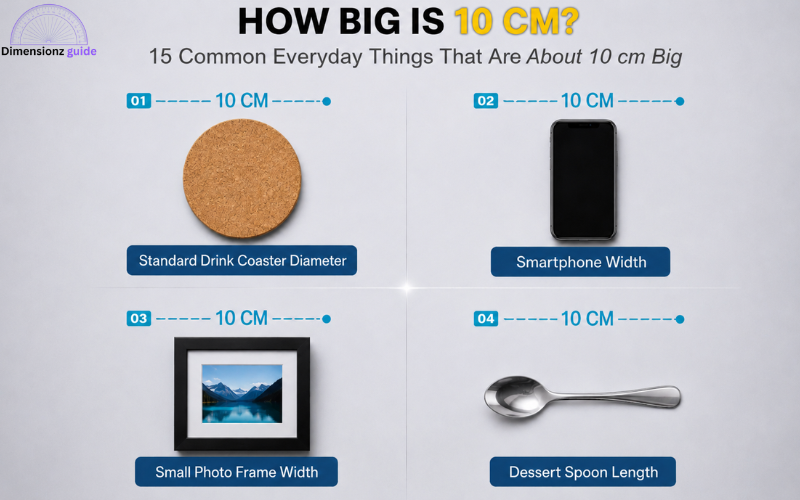
How big is 10 cm?10 centimeters (cm) is equal to 3.94 inches or 100 millimeters. It is a medium-sized measurement that is easy to notice and visualize in daily life. Unlike smaller measurements such as 1 cm or 2 cm, 10 cm is long enough to appear in many household items, office supplies, and personal accessories.
Understanding 10 cm is useful because it is one of the most commonly used metric measurements. Whether you are checking product dimensions, shopping online, doing crafts, or estimating object sizes, knowing how big 10 cm is can help you make better decisions.
How big is 10 cm? = 3.94 inches
10 cm in Different Units
To better understand this measurement, here is a quick conversion table:
| Unit | Value |
|---|---|
| Centimeters | 10 cm |
| Inches | 3.94 inches |
| Millimeters | 100 mm |
| Meters | 0.1 m |
This means 10 cm is almost 4 inches long, making it a noticeable and practical everyday measurement.
What Does 10 cm Look Like?
If you do not have a ruler nearby, you can still estimate 10 cm using common objects around you. Many household items, kitchen accessories, and office supplies are close to this length.
Since 10 cm is neither too small nor too large, it is one of the easiest measurements to visualize. Comparing it with familiar objects helps build a better understanding of size without using measuring tools.
Why Understanding 10 cm Matters
Understanding measurements like 10 cm is important because they are frequently used in daily life. Product packaging, electronics, stationery items, and household tools are often measured in centimeters.
When you know how big 10 cm is, you can quickly estimate dimensions while shopping, decorating, organizing, or working on projects. This saves time and improves accuracy.
How 10 cm Is Used in Everyday Life
The measurement of 10 cm appears in countless everyday situations. From small kitchen tools to office supplies, many products are designed around this size because it is practical and easy to handle.
Manufacturers often use centimeter measurements when designing products. As a result, understanding 10 cm can help you compare sizes more accurately and avoid surprises when buying items online.
Why Visual Comparisons Improve Size Estimation
Many people struggle to understand measurements when they only see numbers. Visual comparisons make measurements easier because they connect numbers with objects you already know.
When you compare 10 cm to everyday items, your brain develops a clearer sense of scale. This allows you to estimate dimensions naturally without always reaching for a ruler.
Related Post: 15 Common Everyday Things That Are About 9 cm Big
15 Real-Life Examples of 10 cm (Simple & Daily Use)
Understanding 10 cm becomes much easier when you compare it with familiar objects used every day. These examples help you visualize the measurement in practical situations and make it easier to estimate similar sizes in the future.
1. Standard Drink Coaster Diameter
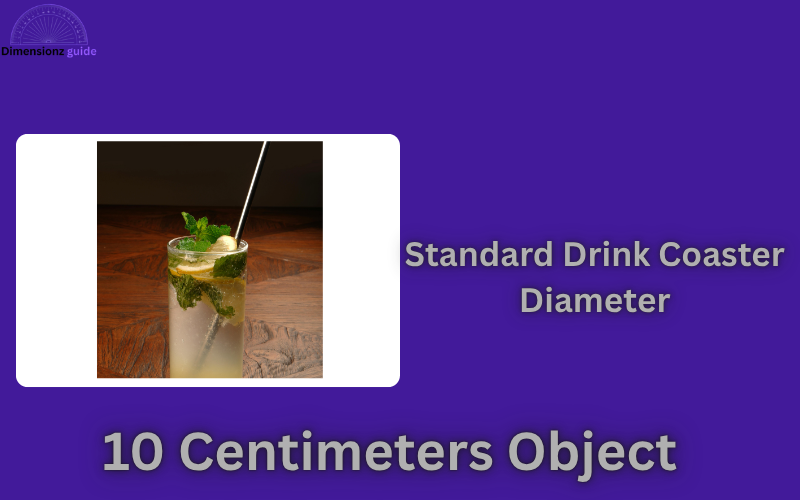
A typical drink coaster often measures around 10 cm across. These are commonly placed under cups and glasses to protect tables from moisture and stains. Since coasters are found in many homes, offices, and restaurants, they provide a simple and familiar reference. Their circular shape makes them easy to compare with other objects of similar size.
2. Smartphone Width
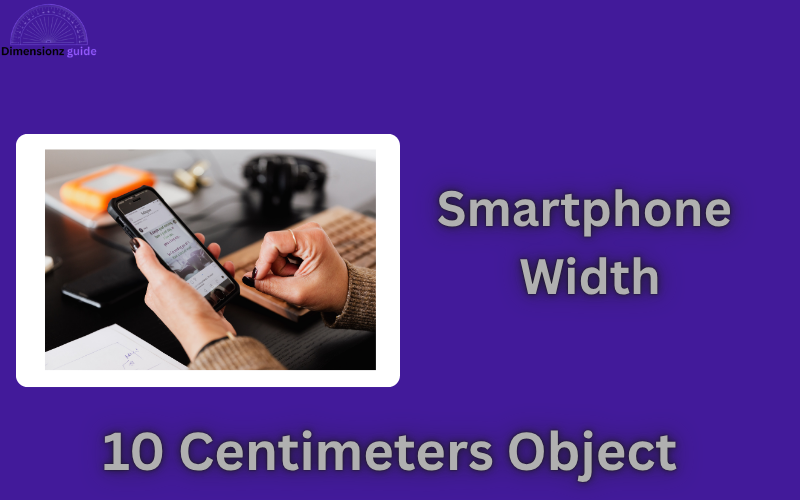
Many modern smartphones have a width close to 10 cm when measured across their longest side or overall body dimensions. Since smartphones are used throughout the day, they are one of the easiest objects to visualize. Their rectangular shape provides a clear understanding of how long 10 cm looks in real life.
3. Small Kitchen Spatula Handle
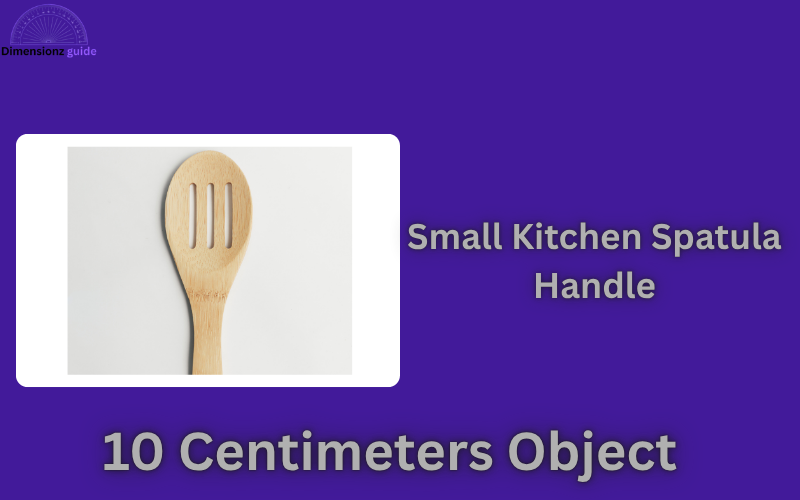
The handle section of a compact kitchen spatula is often close to 10 cm long. These utensils are used daily for cooking, baking, and food preparation. Their straight shape makes visual comparison simple. This makes them a practical household reference.
4. Compact Notepad Width
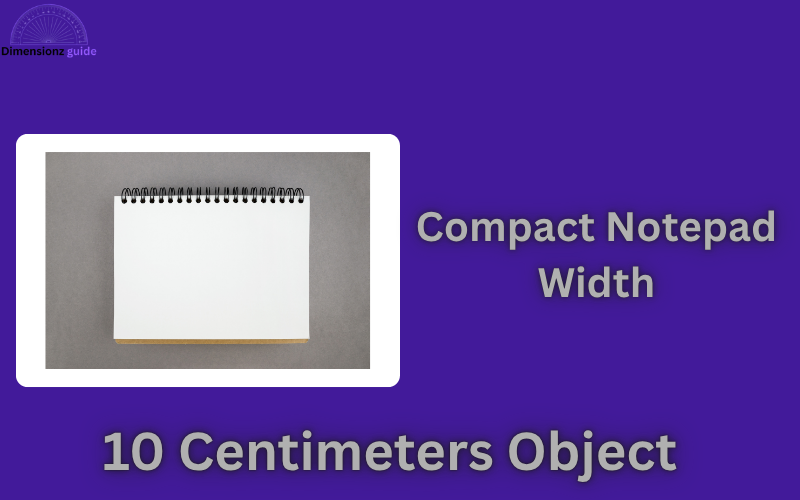
A small notepad or memo pad can have a width of approximately 10 cm. These are commonly used for writing reminders, notes, and shopping lists. Their size is easy to observe and compare. This makes them useful for understanding medium-sized measurements.
5. Travel Hairbrush Length
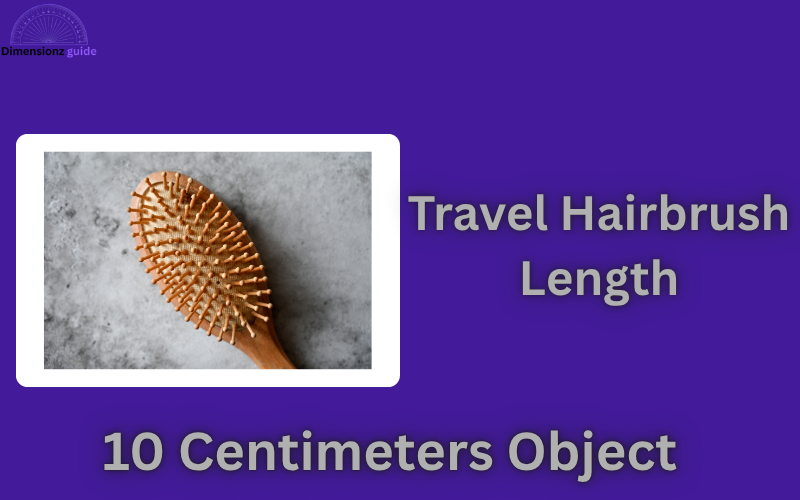
Many travel-sized hairbrushes measure close to 10 cm in length. These compact grooming tools are designed to fit easily into handbags, backpacks, and travel kits. Because they are portable and commonly used, they make an excellent real-life comparison.
6. Small Photo Frame Width
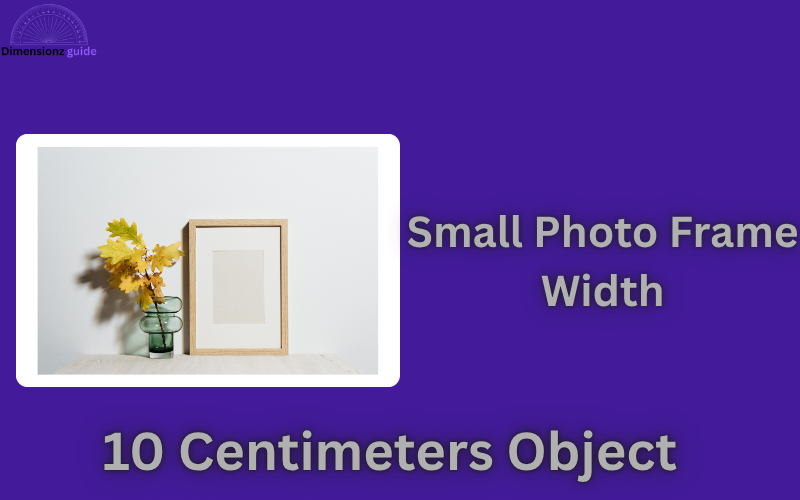
The width of a compact tabletop photo frame is often around 10 cm. These frames are commonly used to display family photos, artwork, and decorative images. Their size is easy to visualize because they are frequently seen in homes and offices.
7. TV Remote Control Top Section
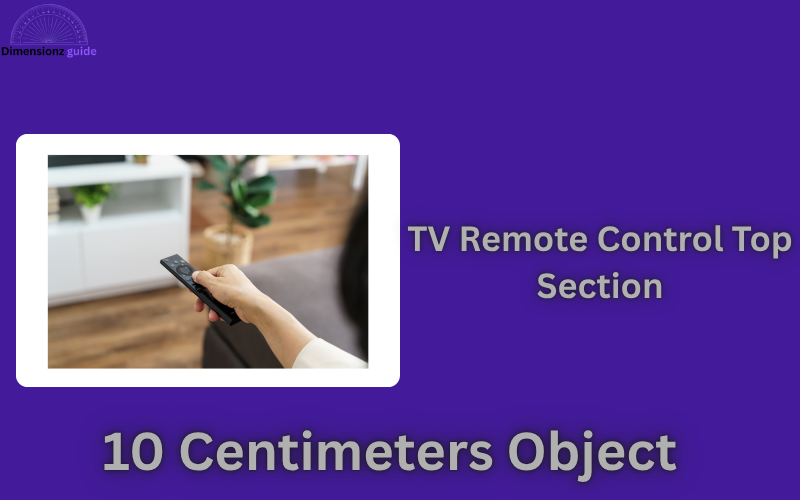
The upper section of many television remote controls measures roughly 10 cm long. Since remote controls are used daily, this becomes a very relatable example. Their straight design makes it easy to estimate similar measurements.
8. Coffee Mug Height
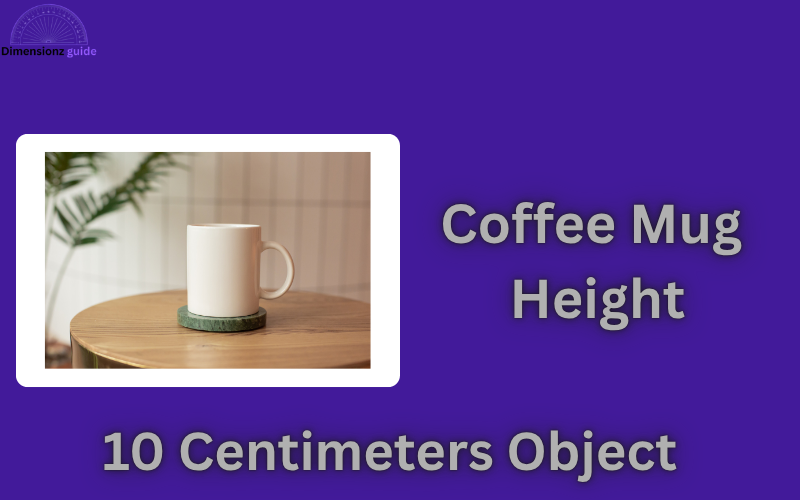
Some medium-sized coffee mugs stand close to 10 cm tall. Coffee mugs are among the most frequently used household items. Their height provides a strong visual reference for understanding this measurement. This makes them a useful comparison object.
9. Small Plant Pot Diameter
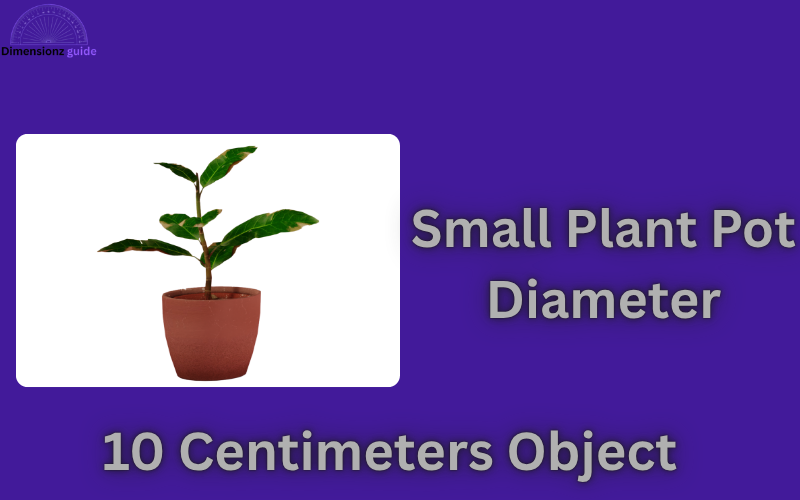
The diameter of a small indoor plant pot can be around 10 cm. These pots are commonly used for herbs, succulents, and decorative plants. Their circular shape helps users understand dimensions clearly. This is a practical household example.
10. Sticky Note Pad Width
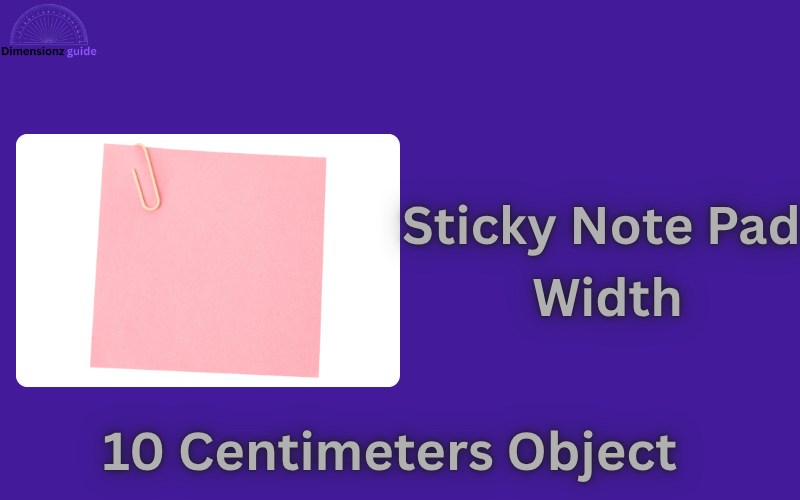
A square sticky note pad often measures close to 10 cm across. These are commonly found in offices, schools, and homes. Their shape and size are easy to recognize, making them an effective measurement reference.
11. Compact Flashlight Length
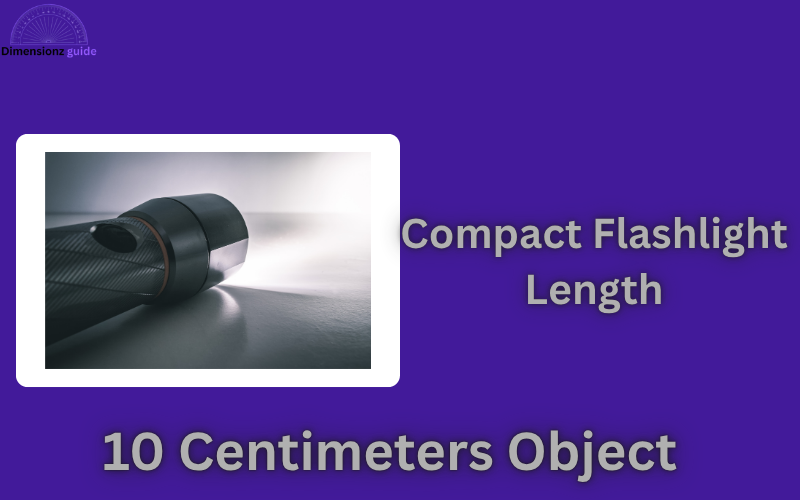
Many small flashlights measure approximately 10 cm in length. These are useful household tools kept for emergencies and outdoor activities. Their straight cylindrical shape makes size comparison simple and accurate.
12. Sandwich Bread Slice Width
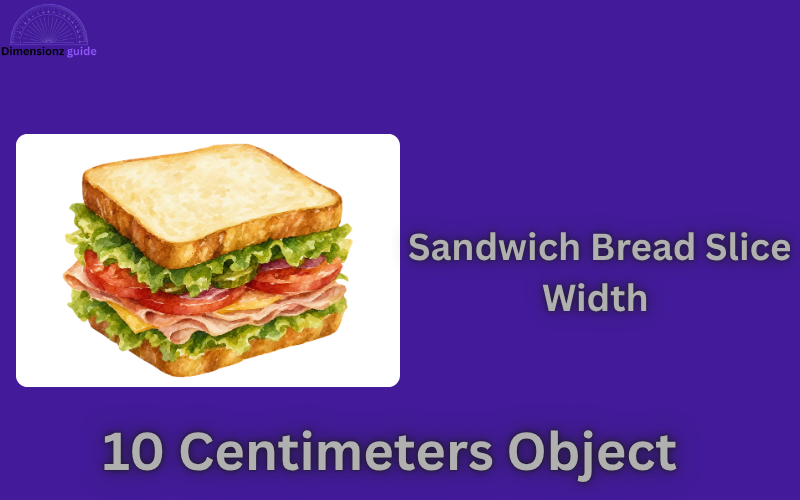
The width of a standard sandwich bread slice can be close to 10 cm. Since bread is a common food item, this example is easy for most people to visualize. It provides a practical everyday reference for understanding this measurement.
13. Small Wallet Height
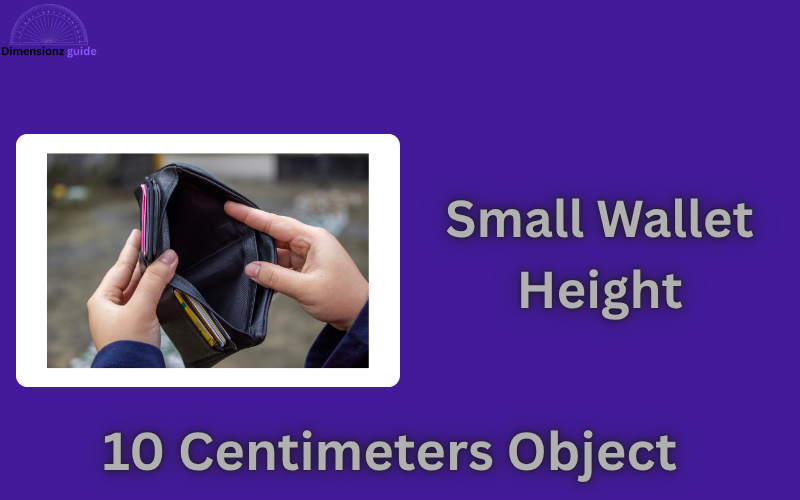
A compact folded wallet often measures around 10 cm in height. Wallets are carried daily, making them familiar to most people. Their size is easy to compare with other objects. This makes them a relatable example.
14. Hand Soap Bar Length
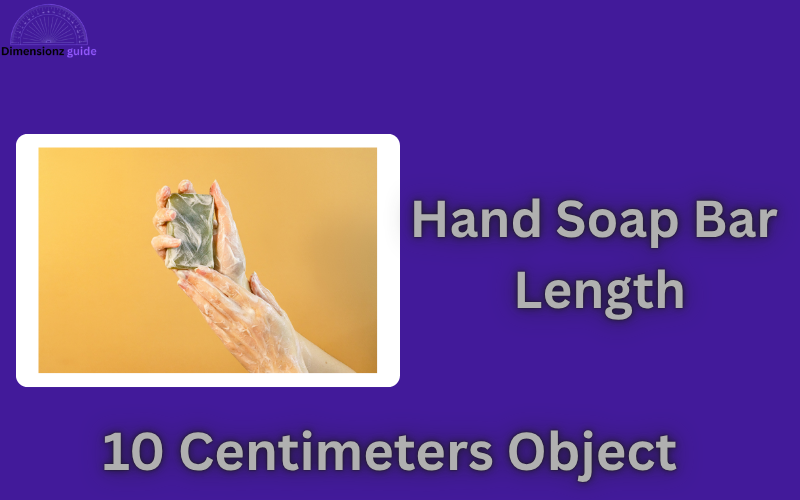
Many hand soap bars have a length close to 10 cm. These are used daily in bathrooms and kitchens. Their simple shape makes visual comparison easy. This helps users understand medium-sized measurements more naturally.
15. Dessert Spoon Length
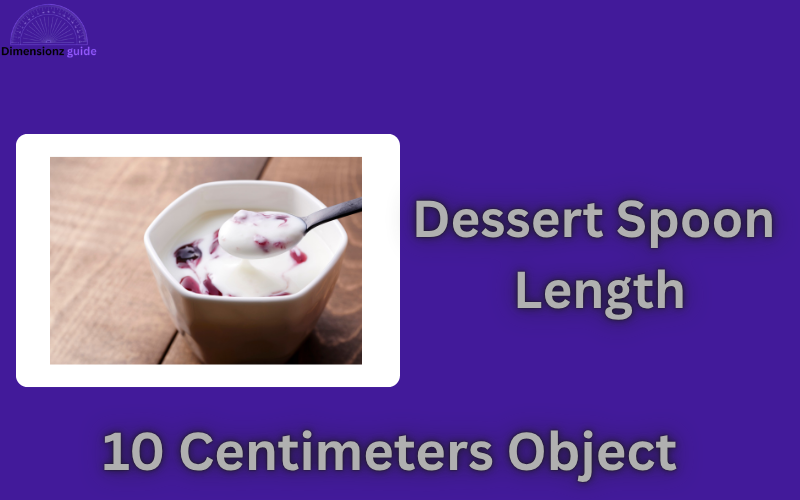
A dessert spoon commonly measures around 10 cm in length. These spoons are used for desserts, snacks, and small servings. Since they are found in many households, they provide a useful and practical size reference.
10 cm in Daily Life
The measurement of 10 cm appears in many everyday objects. It is large enough to be noticed easily while still being compact enough for practical use. This balance makes it one of the most commonly encountered measurements.
Many household products, office supplies, and personal accessories are designed around this size. Understanding 10 cm helps you estimate dimensions quickly and confidently.
Visualizing 10 cm Without a Ruler
You do not always need a ruler to estimate 10 cm. By comparing it with objects such as a coaster, coffee mug, wallet, or notepad, you can quickly develop an accurate sense of its size.
The more often you use real-life comparisons, the easier it becomes to recognize measurements naturally.
Common Mistakes When Estimating 10 cm
One common mistake is assuming that 10 cm is much larger than it actually is. Since people often think in inches, they may overestimate its size.
Another mistake is confusing centimeters with millimeters. Remember that 10 cm equals 100 mm, which helps put the measurement into perspective.
10 cm Compared to Other Measurements
To better understand 10 cm:
- 1 cm: very small
- 2 cm: small
- 5 cm: noticeable
- 10 cm: medium size
- 20 cm: significantly larger
This comparison makes it easier to understand where 10 cm fits among common measurements.
How 10 cm Is Used in Product Design
Many manufacturers use 10 cm as a standard measurement when designing small products. It is large enough to be practical while remaining compact and portable.
This is why items such as kitchen tools, electronics accessories, office supplies, and decorative products often fall near this size range.
Importance of Accurate Measurement
Accurate measurements are important in daily life. Even small differences can affect how products fit, function, or appear.
Knowing how big 10 cm is helps improve your ability to estimate dimensions and make more informed decisions when purchasing or using products.
Improving Measurement Skills
The best way to improve your measurement skills is through practice. Compare objects around you with known measurements and pay attention to their dimensions.
Over time, you will become more confident in estimating sizes without relying on measuring tools.
If you find this helpful and want more free guides like this then here we have more for you:
- 15 Common Everyday Things That Are About 5 cm Big
- 15 Common Everyday Things That Are About 6 cm Big
- 15 Common Everyday Things That Are About 7 cm Big
- 15 Common Everyday Things That Are About 8 cm Big
- 15 Common Everyday Things That Are About 9 cm Big
FAQs
What is 10 cm in inches?
10 cm equals 3.94 inches.
Is 10 cm big or small?
It is generally considered a medium-sized measurement.
How can I measure 10 cm without a ruler?
You can compare it with a coaster, coffee mug, small wallet, or sticky note pad.
Is 10 cm common in daily life?
Yes, many household items and office supplies are close to 10 cm in size.
What objects are about 10 cm long?
Examples include a dessert spoon, travel hairbrush, flashlight, wallet, and soap bar.
Related Post: 15 Common Everyday Things That Are About 8 cm Big
Conclusion
So, how big is 10 cm?
It is a medium-sized measurement equal to 3.94 inches or 100 millimeters. This size appears in many everyday objects that people use regularly at home, work, and school.
By comparing 10 cm with familiar objects such as a coffee mug, wallet, coaster, or flashlight, you can quickly understand and estimate this measurement without needing a ruler.