
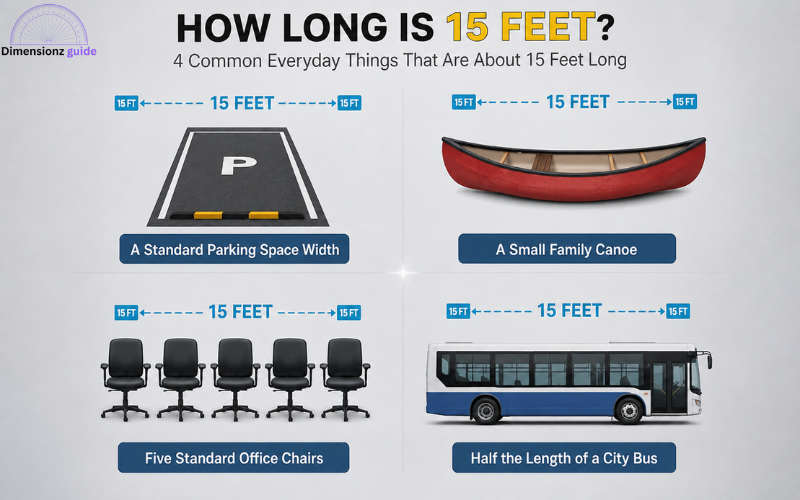
How long is 15 feet? 15 feet is equal to 180 inches, 4.57 meters, or 457.2 centimeters. It is a long measurement that is commonly used for room dimensions, outdoor spaces, construction projects, vehicles, and recreational equipment. While it may be difficult to picture at first, comparing it with familiar everyday objects makes it much easier to understand.
Knowing how long 15 feet is can help when planning furniture layouts, measuring gardens, estimating parking spaces, or buying large household items. In this guide, you’ll discover simple real-life examples and practical comparisons that make visualizing 15 feet easy.
How Long is 15 Feet? = 4.572 Meters
15 Feet in Different Units
Here is a quick conversion table for 15 feet:
| Unit | Value |
| Feet | 15 feet |
| Inches | 180 inches |
| Meters | 4.57 meters |
| Centimeters | 457.2 cm |
These conversions make it easier to compare 15 feet with measurements commonly used around the world.
What Does 15 Feet Look Like?
If you don’t have a measuring tape nearby, estimating 15 feet may seem difficult. However, many everyday objects and spaces are close to this length. Once you compare 15 feet with familiar items like furniture, vehicles, or household spaces, it becomes much easier to imagine.
Because 15 feet is longer than the height of a typical room, it is often used for outdoor measurements, room layouts, trailers, and large equipment.
Why Understanding 15 Feet Matters
Understanding a length of 15 feet is useful for many everyday situations. Whether you’re buying furniture, planning a home renovation, measuring a driveway, or organizing an outdoor event, knowing this measurement helps you make better decisions.
Many products and spaces are described in feet rather than inches or centimeters. Learning to estimate 15 feet accurately can save time, prevent mistakes, and improve planning for both indoor and outdoor projects.
Related Post: 9 Common Everyday Things That Are About 14 Feet Long
10 Real-Life Examples of 15 Feet (Simple & Daily Use)
Understanding 15 feet becomes much easier when you compare it with everyday objects and spaces you may already know. The following examples provide practical references that help you picture this length without needing a measuring tape.
1. A Standard Parking Space Width
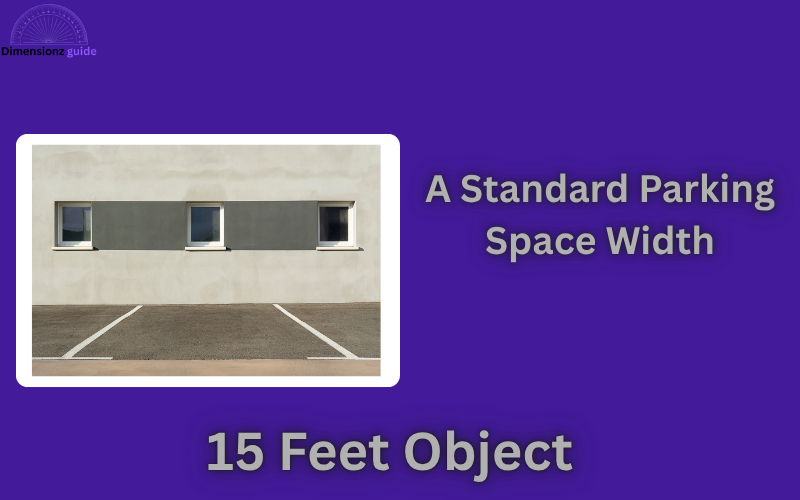
Many residential and commercial parking areas provide enough space for vehicles within dimensions that can be close to 15 feet in one direction. When you stand beside a parking space, you can easily imagine this length. Since parking lots are seen almost every day, they provide one of the easiest real-life references. This comparison helps you quickly understand how long 15 feet really is.
2. Three Average Sofas Placed End to End

A standard three-seat sofa is usually about 5 feet long. If you place three similar sofas in a straight line, their combined length becomes approximately 15 feet. Since sofas are common in homes, this comparison makes the measurement much easier to visualize. It also gives you a practical sense of how much floor space 15 feet occupies.
3. A Small Family Canoe

Many recreational canoes designed for two or three people are around 15 feet long. These boats are commonly used for lakes, rivers, and camping trips. Their length provides stability while remaining easy to transport. If you’ve ever seen a canoe at a park or sporting goods store, you’ve already seen something close to 15 feet.
4. A Dining Room Wall
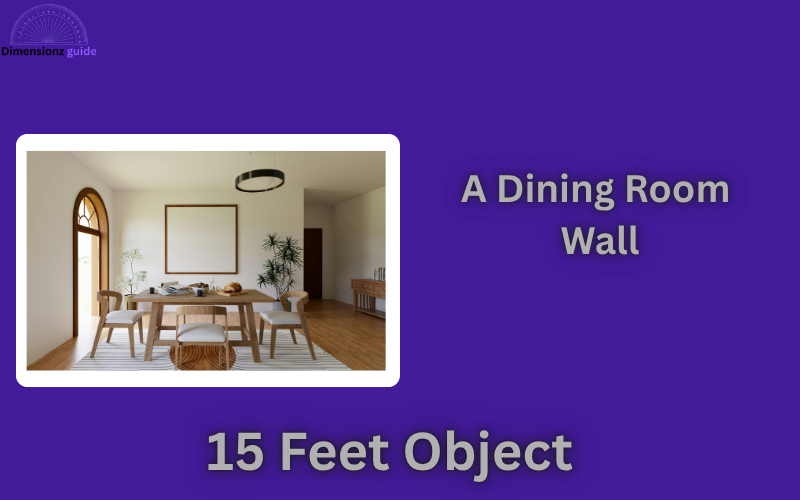
The length of one wall in many dining rooms or bedrooms is often close to 15 feet. This makes it an excellent reference for homeowners or renters. Looking across one side of a room can help you understand this distance naturally. It also explains why 15 feet is frequently used in home construction and interior design.
5. Five Standard Office Chairs
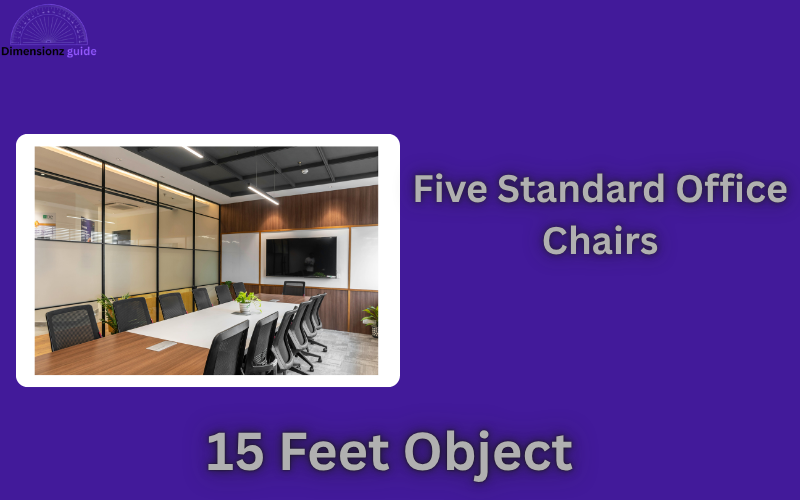
A standard office chair is roughly 3 feet wide when measured across the widest point. Placing five office chairs side by side creates a total length close to 15 feet. Since office chairs are common in workplaces, schools, and meeting rooms, they provide an easy comparison. This example helps you estimate larger distances indoors.
6. A Large Area Rug
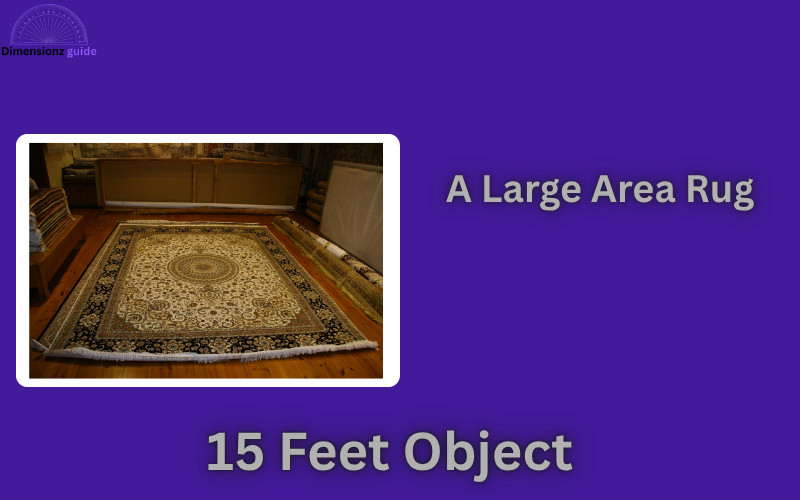
Many large rectangular rugs used in living rooms measure close to 15 feet in length. These rugs are designed to fit beneath large furniture arrangements and cover a significant portion of the floor. If you’ve seen an oversized living room rug, you already have a good idea of how long 15 feet is. This makes it a practical household reference.
7. Half the Length of a City Bus
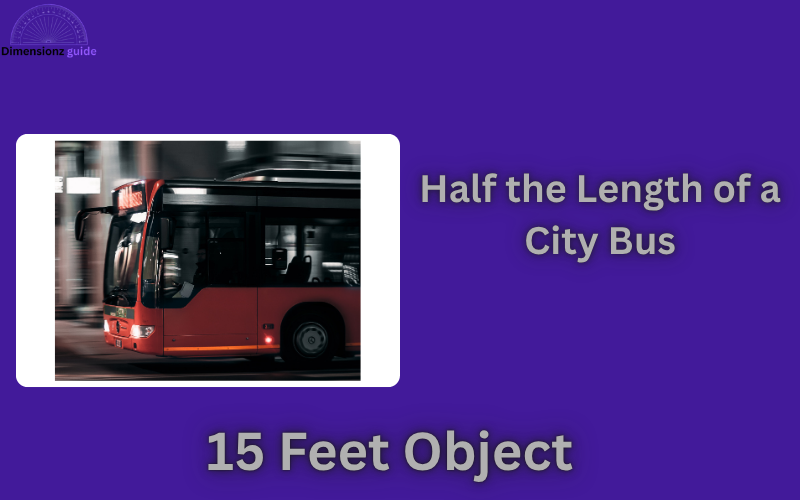
A typical city bus measures around 30 feet long. Half of that length is approximately 15 feet. Since buses are commonly seen on roads every day, this comparison provides a simple way to imagine the measurement. Visualizing half a bus gives you a surprisingly accurate estimate of 15 feet.
8. Three Standard Folding Tables
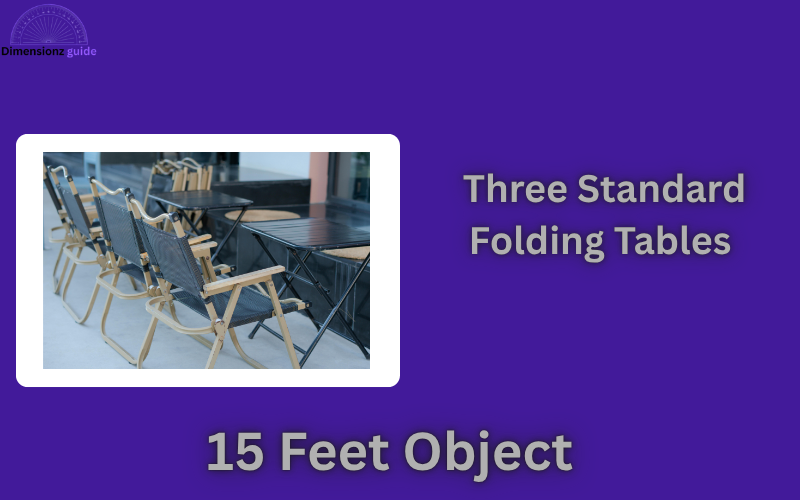
Many folding tables used at events and gatherings measure about 5 feet long. Placing three of these tables end to end creates a combined length of approximately 15 feet. These tables are often used for parties, meetings, classrooms, and outdoor events. Their familiar size makes them an excellent reference for understanding this measurement.
9. Three Standard Bookshelves in a Row

A typical bookshelf is about 5 feet wide. Placing three bookshelves next to each other creates a combined length of approximately 15 feet. Bookshelves are common in homes, libraries, and offices, making them a practical reference. This comparison also shows how much wall space 15 feet can occupy.
10. A Backyard Patio Section
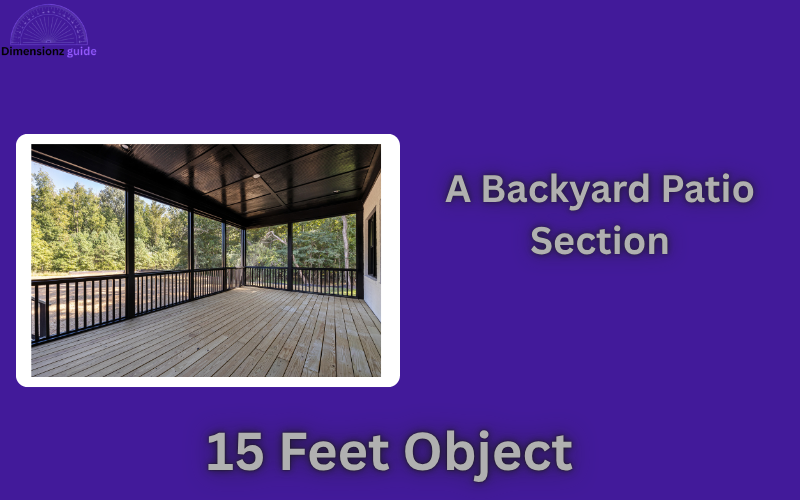
Many backyard patios include seating or dining areas that measure close to 15 feet across. This provides enough room for outdoor furniture, grills, and walking space. If you have spent time on a family patio, you have likely experienced this distance without realizing it. It is an excellent real-life example of 15 feet.
15 Feet in Daily Life
A length of 15 feet is used in many everyday situations, from measuring rooms and garages to planning outdoor spaces and construction projects. Landscapers, interior designers, builders, and homeowners often work with this measurement because it provides enough space for comfortable movement and practical layouts.
You may also notice 15-foot measurements when buying furniture, installing fencing, parking vehicles, or choosing storage solutions. Understanding this length helps you make better decisions without constantly reaching for a measuring tape.
Common Mistakes When Estimating 15 Feet
Many people underestimate how long 15 feet actually is. They often imagine it as only slightly longer than a car, when in reality it stretches much farther than expected. Another common mistake is confusing feet with meters, which can lead to major measurement errors.
Using familiar objects as references helps improve your ability to estimate distances accurately. The more often you compare everyday items with known measurements, the more confident you become.
15 Feet Compared to Other Measurements
Comparing 15 feet with shorter and longer measurements makes it easier to understand its size.
- 5 feet: About the height of an average adult.
- 10 feet: Similar to the height of many residential ceilings.
- 15 feet: A common room dimension and outdoor planning measurement.
- 20 feet: Close to the length of a standard shipping container.
- 30 feet: About the length of many city buses.
These comparisons provide a clearer picture of where 15 feet fits among common measurements.
How 15 Feet Is Used in Construction and Home Design
Builders and architects frequently use 15-foot measurements when designing rooms, garages, patios, decks, and outdoor living spaces. This length provides enough room for comfortable movement while allowing efficient use of available space.
Furniture layouts, flooring materials, fencing projects, and landscaping plans are also commonly based on measurements close to 15 feet. Understanding this distance helps homeowners plan renovations with greater confidence.
Importance of Accurate Measurements
Accurate measurements are essential for successful home improvement, construction, and decorating projects. Even small measuring mistakes can result in furniture that doesn’t fit, materials being wasted, or layouts that feel crowded.
Knowing how long 15 feet is allows you to estimate distances more accurately before making important purchasing or design decisions.
Tips for Estimating 15 Feet Without a Measuring Tape
You can estimate 15 feet by using familiar objects you’ve already seen. Imagine three standard sofas, three folding tables, or half the length of a city bus. These comparisons provide surprisingly accurate estimates without requiring special tools.
With regular practice, your ability to judge longer distances will improve naturally, making everyday measuring tasks much easier.
If you find this helpful and want more free guides like this then here we have more for you:
- 9 Common Everyday Things That Are About 10 Feet Long
- 10 Common Everyday Things That Are About 11 Feet Long
- 11 Common Everyday Things That Are About 12 Feet Long
- 12 Common Everyday Things That Are About 13 Feet Long
- 9 Common Everyday Things That Are About 14 Feet Long
FAQs
How long is 15 feet in inches?
15 feet equals 180 inches.
How many meters is 15 feet?
15 feet is equal to 4.57 meters.
Is 15 feet longer than a standard car?
Yes. Most passenger cars are between 13 and 15 feet long, so 15 feet is as long as or slightly longer than many everyday vehicles.
What everyday objects are about 15 feet long?
Examples include a small canoe, three sofas placed end to end, a compact camper trailer, a dining room wall, and three folding tables arranged in a straight line.
Can I estimate 15 feet without a measuring tape?
Yes. Comparing the distance with familiar objects such as sofas, folding tables, bicycles, or a parking space makes estimating 15 feet much easier.
Related Post: 12 Common Everyday Things That Are About 13 Feet Long
Conclusion
So, how long is 15 feet?
It is equal to 180 inches, 4.57 meters, or 457.2 centimeters. While this may sound like a large measurement, it becomes much easier to understand when you compare it with familiar everyday objects like sofas, folding tables, room walls, bicycles, and camper trailers.
The more often you relate measurements to real-life examples, the easier it becomes to estimate distances accurately. Whether you’re planning a home project, buying furniture, or simply satisfying your curiosity, understanding 15 feet is a useful skill that can help in many everyday situations.