
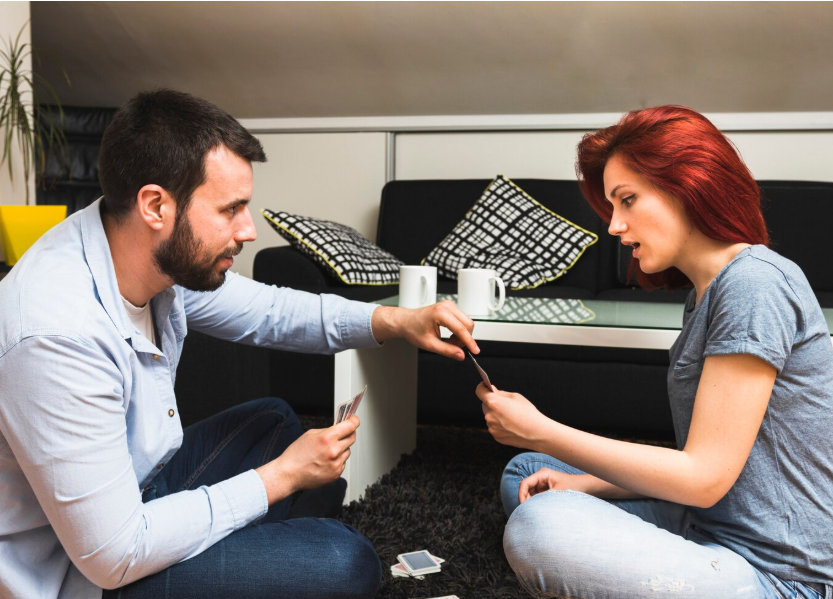
Every couple argues. Every couple has stretches where they feel distant, stressed, or irritated with each other. So how do you know whether you’re in an ordinary rough patch or something deeper? If you’ve ever wondered late at night, “is my relationship toxic?”, this guide will help you sort out what’s normal, what’s concerning, and what to do about it.
What Does “Toxic” Actually Mean?
“Toxic” isn’t a clinical diagnosis. It’s a popular term for a relationship that consistently harms one or both people emotionally, mentally, or sometimes physically. In a healthy relationship, you feel generally safe, respected, and supported, even when you disagree. In a toxic one, you feel drained, anxious, small, or controlled more often than you feel loved.
The key word is pattern. A single cruel comment during a stressful week doesn’t make a relationship toxic. A repeated cycle of disrespect, manipulation, blame, or fear does. Toxicity also isn’t always loud. Many people describe no screaming matches at all. The damage comes through quiet, steady behaviors that wear down confidence over time.
12 Signs Your Relationship May Be Toxic
1. You walk on eggshells
You rehearse conversations in your head, avoid certain topics, or constantly read your partner’s mood to prevent a blowup. If you spend more energy managing their reactions than enjoying their company, that’s a significant red flag.
2. Criticism and contempt are routine
Healthy partners complain about specific behaviors. Toxic patterns attack your character through sarcasm, eye-rolling, name-calling, or “jokes” at your expense. Relationship researchers have long identified contempt as one of the strongest predictors of breakup.
3. Trust has eroded
Trust can break in two directions. Sometimes your partner lies or hides things. Other times you’re the one being accused, interrogated, or pressured to prove your loyalty. Either way, a relationship without trust becomes a constant source of stress.
4. Control is disguised as concern
“I just worry about you” can be sweet or suffocating. Pay attention if your partner decides who you see, what you wear, how you spend money, or where you go. Care respects your autonomy. Control replaces it.
5. You’re being isolated
Toxic partners often pull you away from your support system, gradually and subtly. They may complain about your friends, start fights before family events, or make you feel guilty for spending time elsewhere. Isolation makes it harder to get an outside perspective, which is exactly why it’s so damaging.
6. You’re always the one apologizing
If every disagreement ends with you saying sorry, even when you did nothing wrong, you may be keeping the peace at the cost of your own voice. Healthy relationships involve mutual accountability, not one-sided blame.
7. Hot-and-cold behavior keeps you off balance
One day you’re adored; the next, you’re punished with the silent treatment. This unpredictability can feel addictive because you keep chasing the warm, loving version of your partner. Inconsistent affection is especially powerful at keeping people attached to unhealthy situations.
8. Your feelings are dismissed or twisted
Phrases like “you’re too sensitive,” “that never happened,” or “you’re overreacting” make you doubt your own perception. When your reality is regularly denied, you may begin to distrust your own memory and judgment.
9. Jealousy is constant and unreasonable
A little jealousy is human. Accusations, monitoring your social media, or anger over harmless interactions are not. Constant suspicion is usually about control and insecurity, not love.
10. The effort is one-sided
You plan, compromise, and initiate repair while your partner coasts. Over time, you feel more like a caretaker or manager than an equal partner.
11. You’ve lost yourself
Think back to who you were before this relationship. Did you have more confidence, hobbies, ambitions, or friends? If you’ve shrunk to avoid conflict, the relationship is costing you too much.
12. Your body and gut are sending signals
Chronic stress shows up physically as trouble sleeping, stomach problems, tension, fatigue, or dread when you hear your partner’s key in the door. Feeling relief when they’re away is information worth listening to.
Quick Self-Check Quiz
Answer each question honestly with yes or no. Your first instinct is usually the most accurate.
- Do you often feel anxious or afraid of how your partner will react?
- Does your partner put you down, mock you, or belittle you?
- Do you feel guilty for spending time with friends or family?
- Has your partner lied to you or hidden important things more than once?
- Do you feel like you’re the only one making an effort?
- Does your partner check your phone, messages, or location without your agreement?
- Do arguments usually end with you apologizing, even when you weren’t at fault?
- Have you given up hobbies, goals, or friendships because of your partner?
- Do you feel drained, sad, or on edge more often than happy?
- Does your partner blame you for their anger, mistakes, or bad moods?
- Do you feel your opinions and feelings are dismissed or ignored?
- Have friends or family expressed concern about how you’re treated?
How to Interpret Your Score
0 to 3 “yes” answers: Your relationship likely has the normal friction every couple faces. Keep communicating openly.
4 to 7 “yes” answers: There are real warning signs worth attention. Consider a direct conversation, couples counseling, or talking to a trusted friend.
8 to 12 “yes” answers: This suggests an unhealthy dynamic that may be seriously affecting your well-being. A licensed therapist can help you understand your options.
No short quiz can capture the full picture, though. If you want a more detailed answer to the question is my relationship toxic, the full quiz can give you a clearer sense of where you stand.
Why It’s So Hard to See (and Leave)
Toxic relationships rarely start toxic. They often begin with intense attention, romance, and promises. By the time harmful behaviors appear, you’re emotionally invested, and good memories make it easy to explain away the bad ones.
Several factors can keep you stuck:
- Hope for change. You remember who they were at the beginning and believe that person will return.
- Sunk cost. Shared history makes leaving feel like losing everything you’ve built.
- Gradual normalization. When behavior worsens slowly, each new low becomes the new normal.
- Fear and shame. You may worry about being judged, being alone, or admitting something isn’t working.
- Practical ties. Shared housing, finances, children, or social circles can make separation feel overwhelming.
None of this means you’re weak. It means you’re human, and these dynamics are genuinely powerful.
Toxic Behavior vs. a Toxic Relationship
Almost everyone behaves badly sometimes: snapping when stressed, withdrawing during conflict, or saying something hurtful in the heat of the moment. The difference lies in what happens afterward.
In a healthy relationship, the person takes responsibility, apologizes sincerely, and makes real efforts to change. In a toxic one, harmful behavior is denied, excused, or repeated, and the blame lands on you. If your partner is willing to look at their own patterns and do the work, a relationship can often improve. If they refuse to acknowledge any problem, that matters a great deal.
What to Do If You Think Your Relationship Is Toxic
1. Write it down. Keep a private record of specific incidents and how they made you feel. Seeing patterns in black and white helps counter the self-doubt that toxic dynamics create. Store it somewhere your partner can’t access.
2. Reconnect with your support system. Reach out to a friend, relative, or mentor you trust. Even one honest conversation can restore perspective.
3. Set clear boundaries. Instead of vague complaints, say exactly what you need: “I won’t continue this conversation if you’re yelling.” Then notice how your partner responds.
4. Talk to a professional. An individual therapist can help you process what you’re experiencing and weigh your options. Couples counseling can help if both partners are willing and the relationship is not abusive. It’s generally not recommended as a first step when there’s physical danger or coercive control.
5. Rebuild your sense of self. Return to activities, friendships, and goals you’ve set aside. A stronger identity outside the relationship gives you firmer ground for any decision.
6. Make a plan if you decide to leave. Think through housing, finances, important documents, and who can support you, and let safety be the priority.
When It’s More Than Toxic: Safety Comes First
Some relationships cross the line from unhealthy into abusive. If your partner threatens you, physically harms you, destroys your belongings, forces you into sexual activity, controls your finances, or makes you fear for your safety, this is no longer a matter of improving communication. Contact local emergency services or a domestic violence hotline in your country. Trained advocates can help you build a safety plan, and you don’t have to be certain it’s “bad enough” to call.
Can a Toxic Relationship Be Fixed?
Sometimes, but only under specific conditions. Real change requires that your partner recognizes the harm, takes full responsibility without blaming you, and commits to sustained effort, often with professional help. Promises alone aren’t enough; you need to see consistent changes in behavior over time. You also need to ask whether you want to rebuild, rather than staying out of guilt or fear.
If the pattern continues despite honest conversations, boundaries, and time, it may be healthiest to step away. Choosing yourself isn’t selfish. It’s necessary.
Final Thoughts
Asking “is my relationship toxic?” takes courage. It means you’re willing to look honestly at something painful. Whatever you discover, you deserve a partnership built on respect, honesty, safety, and care, where you can be yourself without fear.
Trust your instincts, lean on people who love you, and take things one step at a time. Clarity is the first step toward whatever comes next.
Read More: The Death of Seasonal Trends: How Algorithmic Fashion Is Personalizing Style