Introduction
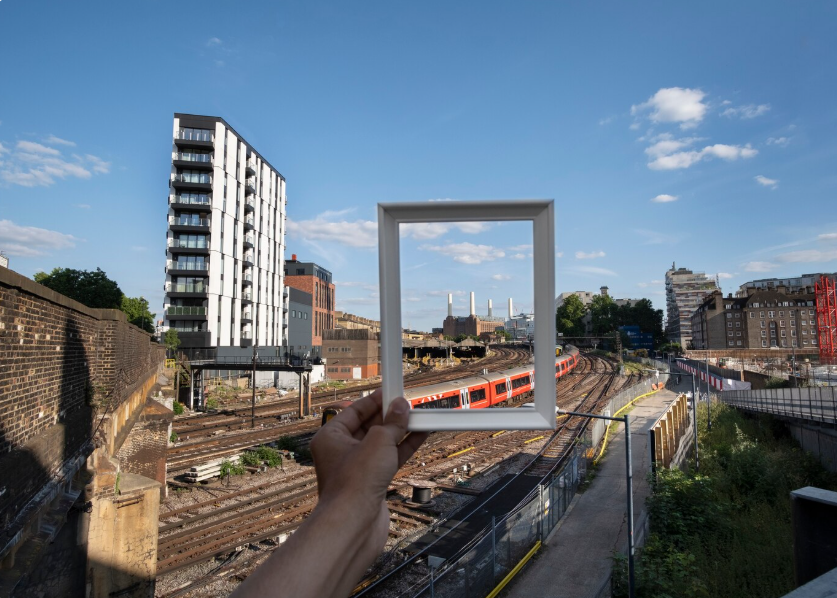
Cities are constantly evolving, yet many urban neighborhoods contain vacant lots, abandoned buildings, and underutilized properties. These forgotten spaces often represent missed opportunities for economic growth, community engagement, and sustainable development. Urban infill development offers an innovative solution by transforming neglected areas into functional, attractive, and vibrant destinations.
Rather than expanding cities outward into undeveloped land, urban infill focuses on maximizing existing spaces. This approach supports efficient land use, strengthens local economies, and creates more connected communities. As urban populations continue to grow, infill development is becoming an important strategy for shaping sustainable cities.
Understanding Urban Infill Development
Urban infill development refers to constructing new buildings or repurposing existing properties within established urban areas. These projects typically involve vacant parcels, abandoned industrial sites, outdated commercial buildings, or unused parking areas.
Unlike traditional suburban expansion, infill development takes advantage of existing infrastructure, including roads, public transportation, utilities, and community facilities.
Common examples include:
- Converting abandoned warehouses into residential apartments.
- Transforming vacant lots into community parks or mixed-use buildings.
- Redeveloping outdated shopping centers into modern commercial hubs.
- Constructing affordable housing within established neighborhoods.
- Turning unused industrial properties into creative workspaces.
These transformations allow cities to accommodate growth without consuming additional natural landscapes.
Revitalizing Neglected Urban Spaces
One of the most significant benefits of urban infill development is neighborhood revitalization. Vacant properties can negatively affect surrounding communities by reducing visual appeal, limiting economic activity, and creating maintenance challenges.
Thoughtfully designed infill projects can reverse these conditions.
An abandoned industrial building, for example, might become a cultural center featuring art studios, restaurants, and community gathering spaces. Similarly, an empty parking lot could be transformed into a residential complex with ground-floor retail stores and public seating areas.
Such projects encourage pedestrian activity, attract businesses, and create welcoming environments where residents can connect.
Importantly, successful revitalization considers the identity and needs of existing communities rather than simply introducing new construction.
Supporting Sustainable Urban Growth
Sustainability is a central advantage of urban infill development. Expanding cities into rural areas often requires additional roads, utility networks, and transportation infrastructure. This expansion can increase environmental pressure and encourage dependence on private vehicles.
Infill development reduces these challenges by making better use of existing urban resources.
When housing, workplaces, shopping centers, and recreational spaces are located closer together, residents may find it easier to walk, cycle, or use public transportation.
Developers can further improve sustainability through energy-efficient architecture, green roofs, rainwater harvesting systems, and environmentally responsible construction materials.
However, environmental benefits depend on careful planning, including responsible management of construction waste and potential contamination at previously industrial sites.
Creating Mixed-Use Communities
Modern urban planning increasingly emphasizes mixed-use development, where residential, commercial, and recreational activities coexist within the same area.
Urban infill projects are particularly suitable for this approach because they are often located in established neighborhoods with existing services.
Imagine a formerly vacant city block transformed into a development containing apartments, cafés, small offices, grocery stores, and landscaped public spaces.
Residents could complete everyday activities without traveling long distances, while local businesses would benefit from consistent pedestrian traffic.
Mixed-use environments also encourage social interaction and create lively neighborhoods throughout different hours of the day.
When designed effectively, these developments contribute to safer, more convenient, and economically resilient urban communities.
Strengthening Local Economies
Urban infill development can stimulate economic activity by attracting investment, creating construction jobs, and supporting local businesses.
Previously unused properties can generate commercial opportunities and contribute to municipal tax revenues. New residents and visitors may also increase demand for nearby restaurants, shops, and professional services.
Small businesses can especially benefit when redevelopment creates affordable retail units or flexible workspaces.
However, economic improvements should not come at the expense of existing residents. Rising property values and commercial rents can contribute to displacement if affordability protections are overlooked.
Balanced development policies can help communities share the economic benefits of neighborhood transformation.
Addressing the Challenges of Infill Development
Despite its advantages, urban infill development presents several challenges.
Limited land availability, complicated zoning regulations, outdated infrastructure, and high construction costs can make projects difficult to implement.
Developers may also encounter neighborhood opposition when proposed buildings significantly change local character or increase concerns about traffic and parking.
Successful projects require collaboration among planners, developers, government agencies, and community members.
Public consultations, transparent planning processes, and thoughtful architectural design can help address concerns early.
Additionally, affordable housing requirements, infrastructure improvements, and accessible public spaces can make redevelopment more inclusive.
The Role of Smart Design and Technology
Technology is expanding the possibilities of urban infill development. Geographic information systems help planners identify underutilized properties, while digital modeling tools allow developers to evaluate building designs and environmental impacts.
Modular construction techniques can improve efficiency on constrained urban sites, and smart building systems can support energy conservation.
Design strategies such as vertical gardens, rooftop recreation areas, and adaptable interiors also help maximize limited space.
These innovations demonstrate how small urban parcels can support meaningful development when creativity and technology work together.
Building Inclusive and Connected Neighborhoods
The long-term success of urban infill development depends on more than attractive buildings. Projects must respond to community needs and support diverse populations.
Accessible sidewalks, public gathering areas, affordable housing, and reliable transportation connections all contribute to inclusive neighborhoods.
Preserving historic architecture and incorporating local cultural elements can also help developments maintain a sense of place.
By involving residents in planning decisions, cities can create spaces that strengthen community relationships instead of disrupting them.
Conclusion
Urban infill development offers a practical pathway toward more sustainable, connected, and economically active cities. By transforming vacant lots, abandoned buildings, and overlooked properties into productive spaces, communities can accommodate growth while protecting surrounding natural environments.
The most successful projects combine environmental responsibility, thoughtful architecture, economic opportunity, and social inclusion.
As urban challenges become increasingly complex, transforming unused city spaces into vibrant hubs will remain an essential part of creating resilient and livable communities.
Read More : Developer Velocity: Streamlining CI/CD Pipelines for Instant Deployment
Do you like this personality?