
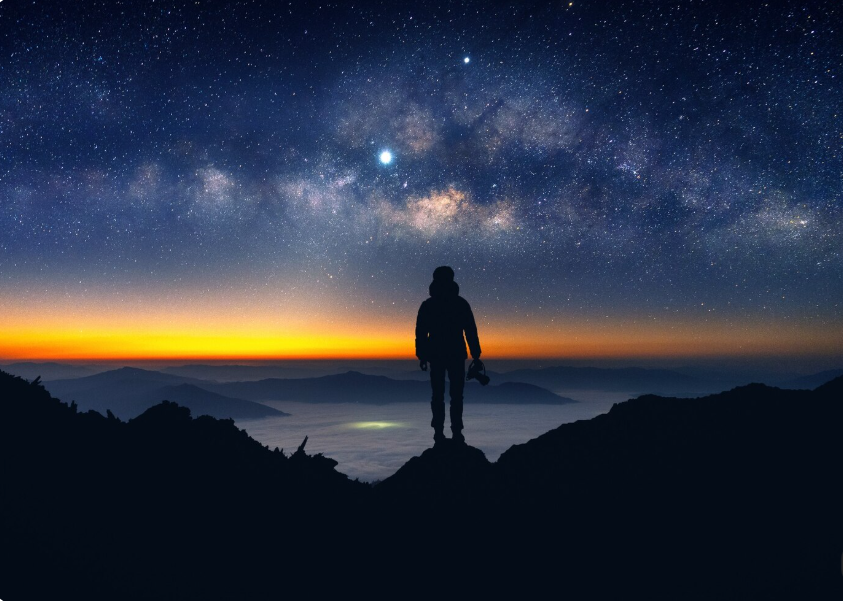
In a world illuminated by streetlights, skyscrapers, billboards, and digital screens, experiencing true darkness has become increasingly rare. For centuries, humans looked toward the night sky for navigation, storytelling, and inspiration. Today, artificial lighting has obscured countless stars, leaving many people disconnected from the natural beauty of the universe.
The Dark Sky Movement is working to reverse this trend. By promoting responsible outdoor lighting and protecting naturally dark environments, this global initiative is helping people rediscover the wonders of the night sky. Alongside it, a growing travel trend known as astrotourism is encouraging adventurers to explore destinations where stars shine with extraordinary clarity.
Understanding the Dark Sky Movement
The Dark Sky Movement is an international effort to reduce light pollution and preserve the natural nighttime environment. Organizations such as DarkSky International advocate for responsible lighting practices that protect wildlife, conserve energy, and improve opportunities for stargazing.
Light pollution occurs when excessive or poorly directed artificial light brightens the night sky. This phenomenon, often called skyglow, makes stars difficult to see, particularly in densely populated urban areas.
The movement encourages communities to install shielded lighting, use warmer light colors, reduce unnecessary illumination, and establish protected dark-sky areas.
Its mission extends beyond astronomy. Protecting darkness also supports healthier ecosystems, more sustainable communities, and stronger connections between people and nature.
What Is Astrotourism?
Astrotourism is a form of travel centered around experiencing astronomical phenomena and naturally dark skies. Unlike traditional sightseeing, which often focuses on daytime attractions, astrotourism invites travelers to explore the world after sunset.
Popular activities include observing constellations, photographing the Milky Way, watching meteor showers, and witnessing celestial events such as eclipses.
Some destinations offer guided astronomy tours, telescope experiences, and educational workshops led by knowledgeable astronomers.
Astrotourism appeals to travelers seeking peaceful environments, meaningful adventures, and opportunities to appreciate the universe without the distractions of modern city life.
Why True Darkness Is Becoming a Luxury
Modern civilization relies heavily on artificial lighting. Although illumination improves visibility and supports nighttime activities, excessive lighting has transformed the natural landscape.
In many metropolitan regions, residents rarely experience skies filled with thousands of visible stars. As a result, truly dark environments are becoming valuable travel experiences.
Remote deserts, mountain regions, protected forests, and isolated islands provide opportunities to escape urban skyglow.
Unlike luxury tourism centered around expensive accommodations, dark-sky travel offers something increasingly difficult to find: natural silence, minimal artificial lighting, and an unobstructed view of the cosmos.
The experience can inspire awe and encourage travelers to reflect on humanity’s place within the universe.
Remarkable Destinations for Astrotourism
Dark Sky Preserve, Aoraki/Mount Cook National Park
16 Best Places to go Stargazing Around the World – AFAR
9
Several destinations have gained international recognition for their exceptionally dark skies.
Atacama Desert, Chile: Known for its dry climate, high altitude, and clear atmospheric conditions, the Atacama Desert is one of the world’s leading destinations for astronomical observation.
Aoraki Mackenzie, New Zealand: This protected dark-sky region combines spectacular mountain scenery with exceptional opportunities to observe the Southern Hemisphere’s constellations.
NamibRand Nature Reserve, Namibia: Its remote desert landscape and limited artificial lighting make it an outstanding destination for experiencing the African night sky.
Jasper National Park, Canada: This expansive dark-sky preserve offers stargazing programs and annual astronomy celebrations against a dramatic wilderness backdrop.
These destinations demonstrate how preserving darkness can create memorable travel experiences while supporting conservation efforts.
The Environmental Importance of Dark Skies
Artificial light affects much more than astronomical visibility. Many animals depend on natural darkness to navigate, hunt, reproduce, and maintain biological rhythms.
Migratory birds can become disoriented by bright urban lighting, while artificial illumination may interfere with the movements of nocturnal insects and other wildlife.
Sea turtle hatchlings can also be affected by coastal lighting, which may draw them away from the ocean.
Reducing unnecessary light pollution helps protect these species and maintain the natural balance of ecosystems.
Responsible lighting practices can also reduce electricity consumption, making dark-sky conservation an important part of broader environmental sustainability efforts.
How to Plan an Astrotourism Adventure
Successful stargazing requires thoughtful planning. Travelers should select destinations far from major cities and check local weather conditions before visiting.
The lunar cycle plays an important role because bright moonlight can make faint stars and galaxies harder to observe. Scheduling trips near the new moon generally provides darker viewing conditions.
A red-light flashlight helps preserve night vision, while warm clothing, binoculars, and a comfortable reclining chair can improve the experience.
Visitors should also respect wildlife, follow local regulations, and avoid using unnecessary artificial lights.
For beginners, astronomy applications and guided tours can make identifying planets and constellations easier.
The Future of Dark-Sky Travel
As interest in sustainable and experience-based tourism increases, astrotourism offers opportunities for rural communities and conservation-focused destinations.
Local businesses can develop astronomy retreats, eco-friendly accommodations, and educational programs while maintaining responsible lighting standards.
However, tourism growth must be carefully managed to prevent increased traffic, infrastructure development, and artificial illumination from damaging the very darkness visitors seek.
Collaboration between conservation organizations, tourism operators, and local communities will be essential for protecting these environments.
Conclusion
The Dark Sky Movement represents a growing appreciation for one of Earth’s most overlooked natural resources: darkness. Through responsible lighting and conservation, communities can protect nighttime ecosystems while restoring humanity’s connection with the stars.
Astrotourism transforms this mission into an unforgettable travel experience, encouraging people to explore remote landscapes and witness the universe in remarkable detail.
As artificial illumination continues to reshape modern life, preserving true darkness is not simply about seeing more stars. It is about protecting nature, celebrating scientific curiosity, and ensuring future generations can experience the extraordinary beauty of an unpolluted night sky.
Read More : 10 Common Everyday Things That Are About 29 Feet Long
Do you like this personality?

1 comment