A comfortable home depends on more than good insulation, quality windows, and attractive interiors. Your heating, ventilation, and air conditioning (HVAC) system plays an important role in maintaining a pleasant indoor environment throughout the year.
However, HVAC problems often develop gradually. You might notice that one room feels warmer than another, your electricity bills are increasing, or your air conditioner takes longer than usual to cool the house.
Understanding the common causes of these problems can help homeowners recognize when simple maintenance is enough and when professional repairs are necessary.
1. Dirty Air Filters Restrict Airflow
One of the most common reasons an HVAC system struggles to maintain a comfortable temperature is a clogged air filter.
Over time, filters collect dust, pollen, pet hair, and other airborne particles. When too much debris builds up, airflow becomes restricted, forcing the system to work harder to circulate air throughout the home.
Some common signs include:
- Weak airflow from vents
- Rooms taking longer to reach the desired temperature
- Increased energy consumption
- Excessive dust around the home
Homeowners should check their filters regularly and replace or clean them according to the manufacturer’s recommendations.
Although replacing an air filter is relatively simple, persistent airflow problems may indicate issues deeper within the system.
2. Thermostat Problems Can Affect Temperature Control
Sometimes, the problem isn’t with the heating or cooling equipment itself but with the thermostat controlling it.
Incorrect settings, depleted batteries, poor placement, or faulty connections can prevent an HVAC system from responding properly.
Before requesting repairs, homeowners can check whether the thermostat is set to the appropriate heating or cooling mode and whether the selected temperature makes sense.
If the thermostat appears to work correctly but the system continues behaving unpredictably, a professional inspection may be necessary.
Smart thermostats can also provide additional control over household temperatures, allowing homeowners to adjust schedules and avoid unnecessary heating or cooling when nobody is home.
3. Uneven Temperatures May Indicate Ductwork Issues
Have you ever noticed that your living room feels comfortable while a bedroom remains unusually warm?
Uneven temperatures are common in homes with damaged, disconnected, or poorly designed ductwork.
Air ducts distribute conditioned air throughout the property. When ducts develop leaks or become obstructed, some rooms may receive less airflow than others.
Other possible causes include inadequate insulation, sun exposure, and differences in room size.
Before assuming the entire HVAC system needs replacing, homeowners should have the airflow and ductwork evaluated.
A professional can identify whether the problem involves damaged ducts, equipment performance, or another issue affecting temperature distribution.
4. Unusual Sounds Shouldn’t Be Ignored
Most HVAC systems produce some operating noise. However, sudden or unfamiliar sounds may indicate mechanical problems.
For example:
- Rattling: Loose components or vibration within the equipment
- Squealing: Possible problems with belts, bearings, or motors
- Grinding: Mechanical wear requiring professional attention
- Repeated clicking: Potential electrical or control-system issues
These sounds do not always indicate an expensive repair, but ignoring them can allow minor problems to become more serious.
If equipment begins making loud or concerning noises, turning it off and contacting a qualified technician is generally the safest approach.
5. Know When Professional HVAC Repair Is Necessary
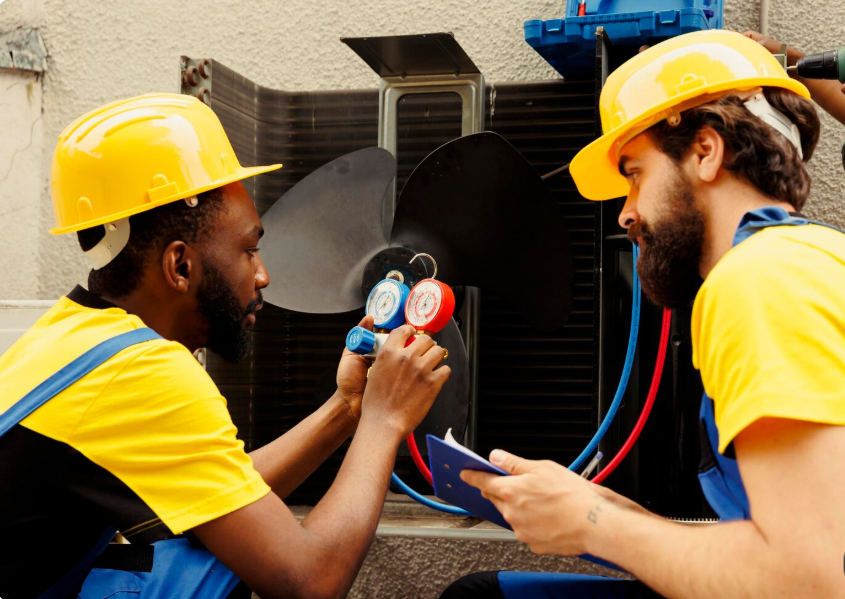
While homeowners can handle basic tasks such as replacing filters and checking thermostat settings, more complex problems require professional assistance.
Electrical faults, refrigerant leaks, compressor failures, and malfunctioning heating components should not be treated as DIY projects.
This becomes particularly important in regions with extreme seasonal temperatures, where heating and cooling systems experience significant demand.
For example, homeowners searching for hvac repair sacramento ca can explore services from Airflow Heating & Air, a local contractor providing air conditioning, furnace, heat pump, and ductwork repairs throughout the Sacramento region.
Working with an experienced HVAC professional helps ensure the underlying problem is properly diagnosed instead of addressing only its visible symptoms.
When choosing a contractor, homeowners should consider licensing, experience, service availability, and whether repair costs are explained before work begins.
6. Regular Maintenance Helps Prevent Unexpected Breakdowns
Preventive maintenance is one of the simplest ways to reduce the likelihood of unexpected HVAC problems.
Just as vehicles require routine servicing, heating and cooling equipment benefits from periodic professional inspections.
Maintenance appointments may include:
- Checking electrical components and connections
- Inspecting equipment for wear or damage
- Evaluating airflow and system performance
- Cleaning appropriate system components
- Checking refrigerant operation where applicable
- Inspecting heating equipment for safety concerns
For many households, scheduling cooling-system maintenance before summer and heating-system maintenance before winter is a practical approach. Homeowners can also look beyond equipment maintenance to manage their overall electricity expenses. Exploring alternative electricity providers, such as Clean Choice Energy, may help households find energy options that align with their budgets and consumption needs. Combining regular HVAC servicing with informed energy choices can support more efficient household energy management.
Regular servicing cannot prevent every breakdown, but it can help identify potential problems before they interrupt everyday comfort.
7. Recognize When Repair May Not Be Enough
Not every HVAC problem requires replacing the entire system.
In many cases, replacing a faulty component or repairing damaged ductwork can restore normal operation.
However, homeowners dealing with frequent breakdowns, consistently poor performance, or rising repair expenses may eventually need to consider replacement.
The decision depends on several factors, including the equipment’s condition, age, repair cost, energy efficiency, and compatibility with the home’s heating and cooling needs.
Before making a major investment, request a professional assessment and compare the expected benefits of repair versus replacement.
A properly sized and installed system can improve temperature consistency and overall comfort, but replacement should be based on the home’s actual requirements rather than guesswork.
Final Thoughts
HVAC problems rarely happen at a convenient time. Whether it’s an air conditioner struggling during a hot afternoon or a heating system failing on a cold evening, unexpected issues can quickly disrupt daily life.
Fortunately, many common problems provide warning signs before becoming major failures.
Paying attention to unusual noises, weak airflow, uneven temperatures, and changes in system performance can help homeowners identify potential issues early.
Combining simple maintenance habits with professional inspections and timely repairs is a practical way to keep a home’s heating and cooling system working reliably throughout the year.
Read More: Acoustic Architecture: Designing Home Spaces for Peace, Silence, and Clarity