
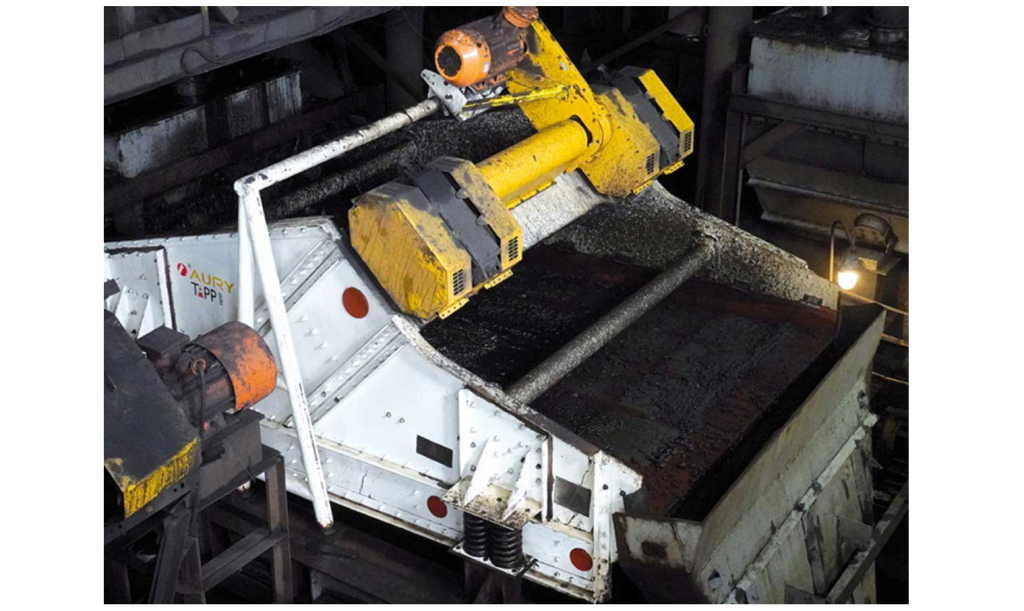
Air quality in quarries and stone processing facilities can be improved using Stone Dust Collector Systems.
During the stone processing operations, a large amount of dust particles is generated in the air, so it is necessary to control the dust in the workplace to ensure safety, protect equipment and improve production efficiency. Fine particles can easily become dispersed throughout an industrial plant, from quarrying through crushing, cutting, grinding or polishing. The use of a dependable stone dust collector is one of the best choices to ensure the capture of these particles and cleaner working environment.
No matter whether the material processed is granite, basalt, pumice or another natural stone, it is the selection of the suitable dust collection solution that can help to minimize dust emissions and ensure a stable production process.
What is Stone Dust?
Stone dust can be manufactured at various stages of the stone’s mining and processing. Mechanical operations crush large rocks into small rocks, stirring the fine particles into the air.
Common sources include:
- Excavation and drilling: Dust is emitted when natural rock formations are excavated or drilled.
- Crushing and screening: There is a significant amount of airborne particles from crushing and screening operations.
- Fabrication of stone: Dust is generated in the process of cutting, grinding, drilling and polishing of the stone.
- Material handling: Conveyor, transfer points, and storage areas may emit dust into the workplace.
These particles vary in composition and properties, depending on the processed material. For instance, granite stone dust can include crystalline silica, and basalt stone dust is made up of small particles that happen when volcanic rock is processed.
Effective Stone Dust Collection Matters
If it is not controlled, industrial dust can cause a number of operational and environmental issues. These fine particles can get into the air, collect on machinery, and collect around manufacturing equipment.
There are a number of benefits to an effective collection system:
- Better indoor air quality: Discretes airborne particles before they disperse around the building.
- Equipment protection: Minimises dust build-up on moving machinery, electrical components and motors.
- Improved housekeeping: reduces dust accumulations on floors, work surfaces and production surfaces.
- Operational efficiency: Assists in keeping production work areas and equipment cleaner.
- Regulatory compliance: Supports industrial facilities to satisfy occupational exposure and environmental requirements applicable to them.
Selection of the Proper Dust Collector in Stone Processing
Each and every application in industry has a different filtration solution. The appropriate system will depend on the dust concentration, dust particle properties, airflow needs, and production operation.
The three most used are:
1. Baghouse Dust Collectors
Baghouse systems employ the bags, which are made of fibres, and capture the dust from large quantities of industrial air. They are especially applicable to quarries, crushing plants and other dust emission sites where dust is produced continuously and in large quantities.
2. Cartridge Dust Collectors
Compact filter elements with a large area of filtration are used in cartridge collectors. They can be used in a wide variety of stone fabrication processes, such as cutting and grinding, etc.
3. Portable Dust Collectors
Portable systems provide flexibility in facilities with the presence of dust activities at various workstations. They can collect material locally without any permanent centralised collecting system.
Stone Dust Screening and Filtration
Stone dust and screening were found to be important.Stone dust screening and filtration was determined to be important.
Stone dust screening is a key process in material processing that helps to effectively separate particles by size. Mechanical screening is not a solution to eliminate all the airborne dust created by crushing, conveying and material transferring process.
For a successful dust collection system, particles are collected in a sequence of extraction hoods and ductwork. Collected air is filtered through filtration media, dust is separated and the cleaned air is discharged or controlled for the facility’s needs.
The particle size distribution and filtering properties of various materials such as crusher stone dust, stone crusher dust and pumice stone dust can be different. This means it is important to choose the right filters, and ensure proper ventilation.
Ensuring the Long-Term Dust Collection Performance
No matter how well designed a stone dusting or industrial dust collection system is, it needs to be maintained periodically to ensure proper operation.
Maintenance practices that are important are:
- Monitoring filter bags and cartridges for deterioration or damage.
- Measuring the differential pressure across the filter.
- Inspecting duct work and extraction points for obstructions.
- Sustaining pulse-jet cleaning systems if applicable.
- Filter element replacement based on operating conditions and manufacturer’s specifications.
In today’s modern quarries, crushing plants and stone fabrication shops, stone dust management is a major consideration. Whether it’s granule and basalt processing, crushing or screening, airborne particles need to be well controlled for extraction and filtration.
Proper selection of industrial dust collectors can not only improve the environmental quality of the workplace, but also protect equipment and ensure production efficiency. Stone processing facilities can have clean, safe and more productive working environments with proper baghouse, cartridge or portable filtration system.
Read More: The Anti-Fragile Business Model: Thriving in Periods of Market Chaos