
Robert Harden, MD, is a psychiatrist with more than 40 years of clinical, leadership, and consulting experience in Texas. He completed a general psychiatry residency and a child and adolescent psychiatry fellowship at Timberlawn Psychiatric Hospital in Dallas, earned a bachelor of science in biology from the University of Illinois Chicago, and received his medical degree from Meharry Medical College. From 1995 to 2015, Dr. Harden directed clinical services for inpatient child and adolescent treatment at Texas Health Presbyterian Hospital of Plano, later serving as a psychiatrist with the Texas Department of Health and Human Services. He has also chaired a hospital behavioral health process improvement committee and served as medical director of children’s services at Green Oaks Psychiatric Hospital. Since 2023, Dr. Harden has worked as a psychiatric consultant with Compassionate Psychiatric Services, evaluating patients and guiding treatment plans that may include options such as transcranial magnetic stimulation.
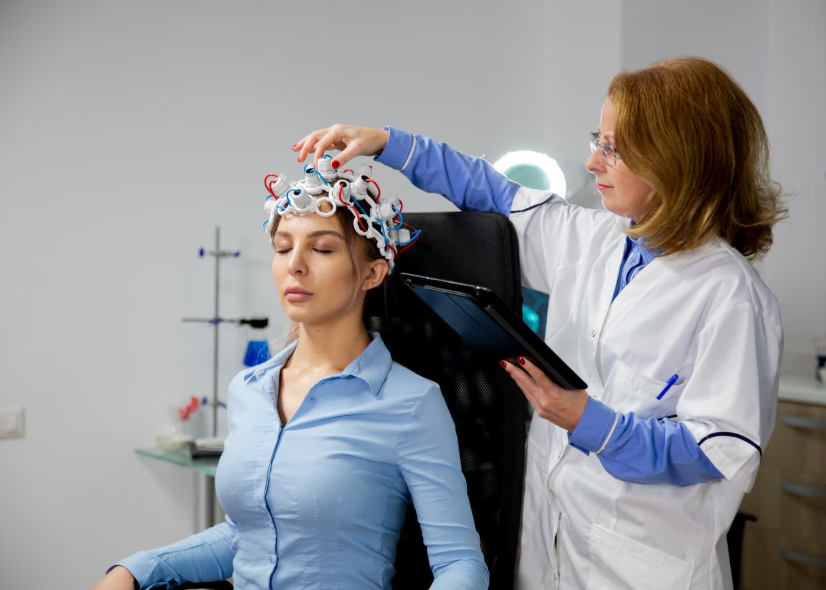
Transcranial magnetic stimulation (TMS) is a noninvasive treatment that uses magnetic pulses to influence nerve cells in specific areas of the brain. A TMS coil is positioned against the scalp and it delivers controlled magnetic pulses into the brain.
Depending on how the pulses are delivered and where they are directed, TMS can increase or decrease activity in targeted brain circuits. The treatment may be used for conditions such as depression and obsessive-compulsive disorder (OCD).
Certain TMS approaches have also been cleared for other applications, including short term support for smoking cessation. TMS may be considered when standard treatments have not provided sufficient relief.
Several forms of TMS are available. They differ mainly in the pattern, duration, and depth of stimulation.
Repetitive TMS (rTMS), delivers repeated magnetic pulses to a specific area of the brain and the frequency is adjusted according to the treatment plan. Deep TMS uses a specialized coil designed to reach deeper brain circuits and has been cleared for conditions including depression and OCD.
Theta burst stimulation delivers magnetic pulses in rapid bursts, allowing some treatment sessions to be completed in only a few minutes. Accelerated TMS uses multiple sessions within a shorter period and includes specialized protocols that combine several brief treatments over a limited number of days.
During a TMS session, the treatment team positions the coil over a specific area of the scalp. The device generates magnetic fields that pass through the skull and induce small electrical currents in the targeted brain tissue.
These signals influence the activity of neurons and the networks connected to them. Researchers continue to study the precise biological processes involved.
However, evidence indicates that TMS can produce changes in brain activity associated with conditions such as treatment resistant depression. TMS may also be used alongside other treatments when clinically appropriate, including as part of care for obsessive compulsive disorder.
A course of TMS for depression involves treatments five days a week for several weeks. However, the schedule varies according to the treatment approach and individual clinical needs.
An initial course may involve approximately 30 sessions. People who respond to treatment may later receive less frequent maintenance sessions to help preserve the benefits.
The need for continued treatment depends on the individual’s response, clinical assessment, and, where applicable, insurance coverage. Treatment plans require ongoing evaluation rather than following one schedule for every patient.
Headache is one of the more common side effects reported during TMS treatment. The discomfort may occur because the magnetic stimulation affects nerves and muscles in the scalp, and headaches are generally mild to moderate.
A clinical team can discuss appropriate ways to manage discomfort, such as over-the-counter pain relievers. Patients should report persistent or troublesome headaches so that the treatment settings can be reviewed.
The magnetic pulses can produce a tapping or knocking sensation on the scalp during treatment. Some people may also experience temporary discomfort around the treatment area, particularly during the first few sessions.
The sensation is usually related to the stimulation produced by the coil and not an indication of tissue damage. In addition, TMS can occasionally cause involuntary movement of facial muscles near the treatment area.
The magnetic field can stimulate nearby nerves and muscles, resulting in brief twitching during a session. This effect generally stops when stimulation ends. Treatment teams can adjust coil positioning when necessary to improve comfort and reduce unwanted muscle responses.
Less common effects of TMS may include temporary changes in sleep, sensory perception, and emotional changes. Some people may experience insomnia, altered sleep patterns, or more vivid dreams as their brain responds to treatment.
Others may notice temporary sensitivity to sound or changes in taste, depending on the area being stimulated and their individual response. Emotional changes, including shifts in mood or stronger emotional reactions, may also occur as symptoms of depression or other mental health conditions begin to change.
These effects can vary from person to person and are not necessarily an indication that treatment is working. While many of these effects are temporary, persistent or significant changes should be discussed with the treating clinician for appropriate assessment.
TMS is generally administered as part of a broader mental health treatment plan rather than as an isolated intervention. The choice of TMS type, treatment schedule, stimulation settings, and duration depends on the individual’s diagnosis, symptoms, previous treatment history, and clinical response.
Regular assessment allows the treatment team to monitor benefits and unwanted effects and make appropriate adjustments when needed. This individualized approach helps ensure that TMS is used safely and appropriately within the person’s overall care.
About Robert Harden
Robert Harden, MD, is a psychiatrist with more than 40 years of experience in clinical care, program leadership, and consulting across Texas. He holds a bachelor of science in biology from the University of Illinois Chicago and an MD from Meharry Medical College, with specialized training in general and child and adolescent psychiatry from Timberlawn Psychiatric Hospital in Dallas. A diplomate of the American Board of Psychiatry and Neurology, Dr. Harden currently serves as a psychiatric consultant with Compassionate Psychiatric Services in Plano.
Read More: A Practical Guide to Better Oral Health for Veterans
