
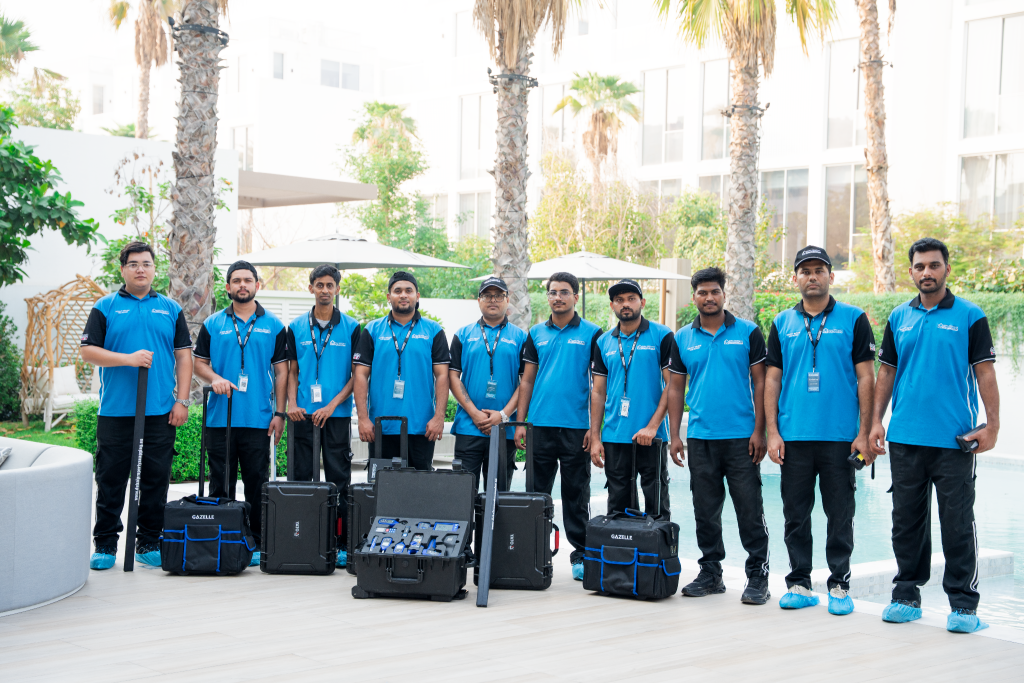
Property snagging Dubai is a professional inspection service for new or resale homes before you accept the property. It helps identify defects such as cracks, water leaks, electrical faults, and poor AC performance, allowing developers to address these issues at no additional cost where covered by their obligations. With thousands of homes scheduled for handover in 2027, investing in professional property snagging in Dubai is one of the smartest decisions a property buyer can make.
If you’ve bought off-plan in Dubai, the handover email is probably the most exciting message you’ll get all year. But before you sign and take the keys, there’s one step many buyers still skip: snagging.
In this guide we’ll cover what property snagging in Dubai involves, why 2027 is such an important year for it, what inspectors check, what it costs, and how to pick the right company. It’s written for first-time buyers, experienced investors and real estate agents alike, so feel free to jump to the part that fits you.
What Does Property Snagging in Dubai Actually Mean?
A “snag” is any defect, unfinished item or bit of poor workmanship in a property. Some snags are cosmetic, like a paint drip or a scratched door. Others are serious, like a shower that drains toward the bedroom or a socket that isn’t earthed.
A snagging inspection is when a trained inspector checks the home room by room and records every snag with photos and notes. You then send that report to the developer, who is responsible for fixing the items before or soon after you move in.
There are a few types of snagging you’ll hear about:
- Pre-handover snagging: done when the developer invites you to inspect, before you sign.
- Handover snagging: done at the handover appointment itself, so problems are recorded on the day.
- De-snagging: a return visit to check that the developer actually fixed what was reported.
- End-of-warranty snagging: a check shortly before the defects liability period ends, to catch anything that showed up while living there.
Think of snagging as a quality check on the biggest purchase most people ever make. The developer has its own quality team, but their job is to hand units over. Your inspector’s only job is to protect you.
Why Property Snagging in 2027 Matters More Than Ever
Dubai saw record off-plan sales between 2023 and 2025. Most of those projects take two to four years to build, which means a very large wave of handovers is landing in 2026 and 2027. When developers hand over many units at once, under deadline pressure, more defects slip through.
Here’s why property snagging in 2027 deserves a place on every buyer’s to-do list:
- Volume: busy sites and stretched contractor teams mean more small mistakes, from missing sealant to loose fittings.
- Climate: a single Dubai summer quickly exposes weak waterproofing, poor insulation and undersized AC.
- Your warranty clock: most sale agreements include a defects liability period, usually around 12 months, during which the developer must fix workmanship faults. Snags you don’t report in that window may become your cost.
- Resale and rental value: investors who flip or lease in 2027 will face buyers and tenants who expect a defect-free home. Fixing snags early protects the price.
A professional property inspection in the UAE also gives you something the developer can’t easily argue with: dated photos, exact locations and clear descriptions.
What a Snagging Inspection Covers
A proper inspection goes far beyond a quick look around. Good inspectors test how the home works, not just how it looks. Here’s what a thorough check usually includes:
| Area | What gets checked |
| Walls, floors and ceilings | Cracks, hollow or uneven tiles, paint defects, damp patches |
| Doors and windows | Alignment, locks, seals, gaps that let in dust, heat and rain |
| Electrical | Power at every socket, earthing, switches, lighting, the DB board |
| Plumbing | Water pressure, hot water, leaks under sinks, slow drains |
| Wet areas | Shower and balcony slopes, grout, sealant, waterproofing |
| Air conditioning | Cooling at each outlet, thermostats, condensate drain lines |
| Kitchen and joinery | Cabinets, hinges, worktops, built-in appliances |
| Safety | Smoke detectors, railings, glass panels, sharp edges |
The role of thermal imaging
Many of the costliest defects are hidden. Thermal imaging shows temperature differences across walls and ceilings, which can reveal trapped moisture, missing insulation, leaking AC ducts and overheating cables. Paired with a moisture meter, it lets inspectors find problems without breaking anything.
If you’d like to see the full list of items, this snagging checklist for a new apartment is a useful starting point.
The Snagging Process, Step by Step
The process is simpler than most people expect. Here’s how it usually works:
- Get your inspection notice. The developer emails you a date to inspect the unit or collect the keys.
- Book your inspector early. Handover slots fill up fast in busy months, so book as soon as you have a date.
- Make sure utilities are on. Water, electricity and AC need to be connected so everything can be tested properly.
- The inspection. Depending on size, it takes from about two hours for an apartment to most of a day for a large villa. Join if you can and ask questions.
- Receive the report. You get a photo report listing every snag by room, ready to forward to the developer.
- Developer repairs. The developer’s team works through the list, usually within a few weeks.
- De-snagging. Your inspector returns to confirm the fixes. This step is where a lot of buyers save the most, because rushed repairs are common. Here’s a clear guide to de-snagging and why it matters.
- Accept the keys. Once the important items are fixed, you sign with confidence.
Advice for Beginners, Investors and Agents
If you’re a first-time buyer
You don’t need to know what a hollow tile sounds like. That’s what you’re paying the inspector for. Do read the report carefully, though, and ask the inspector to explain anything unclear. Going in with realistic expectations for a custom build or a new home also helps: almost every new property has snags, and finding them is normal, not a disaster.
If you’re an experienced investor
For investors, snagging protects yield. A hidden leak or a weak AC unit means tenant complaints, maintenance bills and empty weeks between leases. Many seasoned investors now treat a property inspection in the UAE as standard for every unit, and book an end-of-warranty check before the defects liability period runs out.
If you’re a real estate agent
Recommending a reliable inspector makes you look good. It shows clients you care about the outcome, not just the commission, and it heads off angry calls after handover. On resale deals, a pre-listing inspection can also stop surprises from derailing negotiations late in the sale.
How to Choose a Snagging Company in Dubai
Not every inspection is equal, and the cheapest quote isn’t always the best value. Before you book a snagging company in Dubai, check these points:
- Licensing and training. Look for a valid DED trade licence and recognised inspector training such as InterNACHI.
- Proper equipment. Thermal cameras, moisture meters and socket testers should be standard, not paid extras.
- A clear sample report. Ask to see a sample snag report. Look for sharp photos, exact locations and plain descriptions a developer can act on.
- Fast turnaround. Handover windows are tight. A report within the same day or 24 hours is ideal.
- De-snagging options. Check whether a return visit is included or available at a fair price.
- Honest reviews. Read recent Google reviews and look for comments about thoroughness, not just friendliness.
- Written, all-in pricing. Make sure the quote includes VAT and any travel charges.
One red flag to watch: a large villa “inspected” in under an hour. A rushed visit misses exactly the defects you’re paying to find.
How Much Does Property Snagging in Dubai Cost?
Prices depend on the size and type of property, and on whether you want extras like thermal imaging or a second visit. As a guide, here are typical starting prices from one Dubai provider for a studio or one-bedroom unit:
| Package | Starting price (AED, + VAT) | What you get |
| Snagging inspection | 500 | One visit, full photo report |
| Snagging + de-snagging | 700 | Two visits, plus a check of the developer’s repairs |
| Complete handover package | 1,200 | Both visits, thermal and moisture imaging, MEP performance tests |
Larger apartments, townhouses and villas cost more, because there’s simply more to test. You can compare current snagging prices by property type before you book.
To put it in perspective, fixing one hidden bathroom leak after the warranty ends can cost several times more than the inspection itself.
Frequently Asked Questions
What is property snagging in Dubai?
It’s a detailed inspection of a new or resale home to find defects before you accept it. The report helps you get the developer to fix problems at their own cost.
Is property snagging worth it in 2027?
Yes. With a large number of off-plan handovers due in 2027, defects are more likely to slip through. An inspection costs far less than fixing hidden problems later.
When should I book a snagging company in Dubai?
As soon as you receive your inspection or handover date from the developer. Popular dates fill up quickly.
Can I do snagging myself?
You can spot obvious cosmetic issues, but you’ll likely miss hidden leaks, electrical faults and AC problems. These need tools like thermal cameras and moisture meters.
How long does a snagging report take?
Many Dubai companies deliver the report the same day, often within a few hours of the inspection.
Does property inspection in the UAE cover resale homes too?
Yes. Pre-purchase inspections on resale homes check for wear, past leaks and hidden repairs before you commit to buying.
Final Thoughts
Property snagging in Dubai isn’t about distrusting your developer. It’s about making sure the home you paid for is the home you receive. With 2027 set to be one of the busiest handover years the city has seen, a careful inspection is a small step that can save you a lot of money and stress.
Whether you’re buying your first apartment, adding to a portfolio or guiding a client through handover, the advice is the same: get the property checked by a qualified inspector before you sign.
About the author
This article was contributed by the team at Dubai Property Snagging, a snagging company in Dubai offering pre-handover snagging, de-snagging, thermal imaging and property inspection across the UAE.
Read more : The Tokenization of Everything: Fractional Ownership Beyond Real Estate